
Science
Autonomous Vehicles Show 88% Fewer Claims, Paving Safer Roads

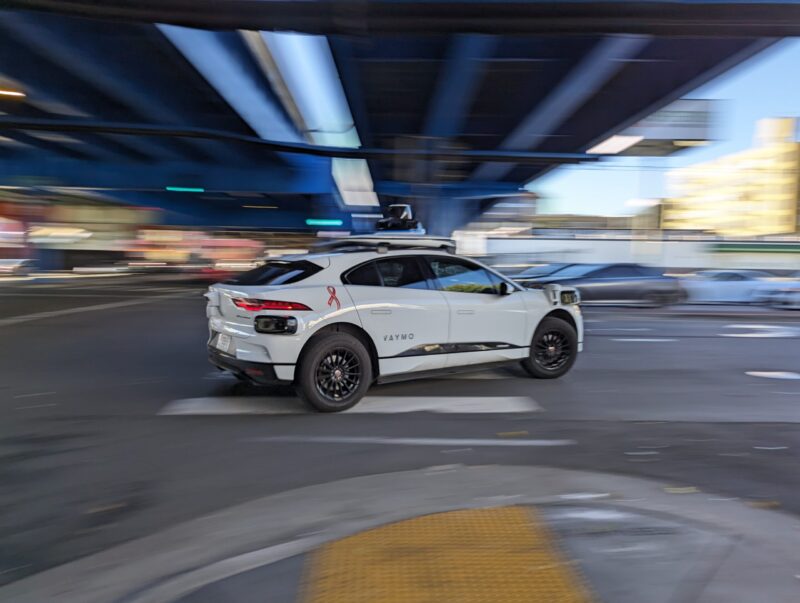
The advent of autonomous vehicles (AVs) is approaching a significant milestone, as recent research indicates they can dramatically reduce road incidents. A study conducted by the Omega Law Group reveals that fully autonomous vehicles logged over 25.3 million miles, resulting in an impressive 88% reduction in potential property-damage claims and a 92% decrease in potential bodily-injury claims compared to traditional human-driven vehicles.
This analysis, which includes data from cities such as Phoenix, San Francisco, Los Angeles, and Austin, sheds light on the evolving landscape of road safety and the necessary adaptations in law, policy, and insurance frameworks. The findings are noteworthy, particularly as they reflect real-world operations rather than theoretical models.
Key Findings Highlighting Safety Improvements
The study provides concrete figures that illustrate the safety benefits of autonomous vehicles. Over the extensive distance of 25.3 million driver-only miles recorded in partnership with Swiss Re, Waymo, an industry leader in AV technology, reported only nine property-damage claims and two bodily-injury claims. In contrast, human drivers would typically be expected to incur 78 property-damage claims and 26 bodily-injury claims over the same distance.
The comparison is grounded in a robust dataset that utilized over 500,000 claims and more than 200 billion miles of driving exposure to calibrate human benchmarks accurately. This rigorous methodology ensures geographic and operational alignment, yielding a more reliable assessment of safety performance.
Notably, Waymo’s autonomous vehicles outperformed even the newest human-driven vehicles equipped with advanced driver assistance systems (ADAS), showing an 86% reduction in property-damage claims and a 90% decrease in bodily-injury claims.
A separate peer-reviewed study analyzing 56.7 million Rider-Only miles through January 2025 also indicates significant reductions in crash types when compared to human benchmarks. For instance, injury-involving intersection crashes decreased by 96%, with a confidence interval ranging from 87% to 99%.
Implications for Policy and Public Perception
These findings not only highlight safety improvements but also raise important questions about the regulatory landscape surrounding autonomous vehicles. The National Highway Traffic Safety Administration (NHTSA) has set a cap of 2,500 vehicles per year under the Part 555 exemption rule, indicating a cautious approach to the rollout of AV technology.
Furthermore, the extended five-day incident-reporting requirement reflects a shift in oversight structures aimed at increasing transparency and accountability during this transition. As AVs continue to expand their operational territories, these policy changes are crucial for aligning legal frameworks with technological advancements.
While the data suggests significant safety enhancements, it is essential to recognize that the current dataset represents only a fraction of the billions of miles driven by human operators annually. Consumer trust in autonomous vehicles remains low, with approximately 13% of U.S. drivers expressing willingness to ride in AVs by 2025, indicating a persistent hesitance despite the promising safety data.
In conclusion, while autonomous vehicles demonstrate substantial potential to improve road safety, ongoing efforts to enhance public confidence and adapt regulatory measures will be vital as the industry progresses. The path forward must balance innovation with comprehensive safety and liability frameworks to ensure a smooth transition into a future where self-driving vehicles become a common sight on our roads.

Meta Plans Major Layoffs as AI Costs Surge

Alberta’s Referendum Could Pave Way for U.S. Statehood

Minooka District 201 Plans Enhanced Bilingual Support for Students

Canmore Approves Multiple Development Permits for New Projects

Remembering Bradly Castillo Shearsmith: A Life of Friendship and Joy

BIS Urges Watchdogs to Integrate Synthetic Risk Transfers in Stress Tests

Teva Transforms: Shifting Focus from Generics to Branded Success

Apple Launches AirPods Max 2 with Enhanced Audio Features

Ontario Ends Funding for Seven Supervised Injection Sites

Toyoake City Proposes Daily Two-Hour Smartphone Use Limit

Pedestrian Fatally Injured in Esquimalt Collision on August 14

B.C. Review Reveals Urgent Need for Rare-Disease Drug Reforms

Dark Adventure Game “Bye Sweet Carole” Set for October Release

Konami Revives Iconic Metal Gear Solid Delta Ahead of Release

Victoria’s Pop-Up Shop Shines Light on B.C.’s Wolf Cull

Jimmy Lai’s Defense Challenges Charges Under National Security Law

Snapmaker U1 Color 3D Printer Redefines Speed and Sustainability

Apple Expands Self-Service Repair Program to Canada
-
 Science12 months ago
Toyoake City Proposes Daily Two-Hour Smartphone Use Limit
-
 Top Stories12 months ago
Pedestrian Fatally Injured in Esquimalt Collision on August 14
-
 Health12 months ago
B.C. Review Reveals Urgent Need for Rare-Disease Drug Reforms
-
 Technology11 months ago
Dark Adventure Game “Bye Sweet Carole” Set for October Release
-
 Technology12 months ago
Konami Revives Iconic Metal Gear Solid Delta Ahead of Release
-
 Lifestyle12 months ago
Victoria’s Pop-Up Shop Shines Light on B.C.’s Wolf Cull
-
 World12 months ago
Jimmy Lai’s Defense Challenges Charges Under National Security Law
-
 Technology12 months ago
Snapmaker U1 Color 3D Printer Redefines Speed and Sustainability
-
 Technology12 months ago
Apple Expands Self-Service Repair Program to Canada
-

 Technology12 months ago
AION Folding Knife: Redefining EDC Design with Premium Materials
-

 Technology12 months ago
Solve Today’s Wordle Challenge: Hints and Answer for August 19
-

 Business12 months ago
Gordon Murray Automotive Unveils S1 LM and Le Mans GTR at Monterey