
Science
Global Trade Bans on Sharks and Rays Mark Conservation Milestone

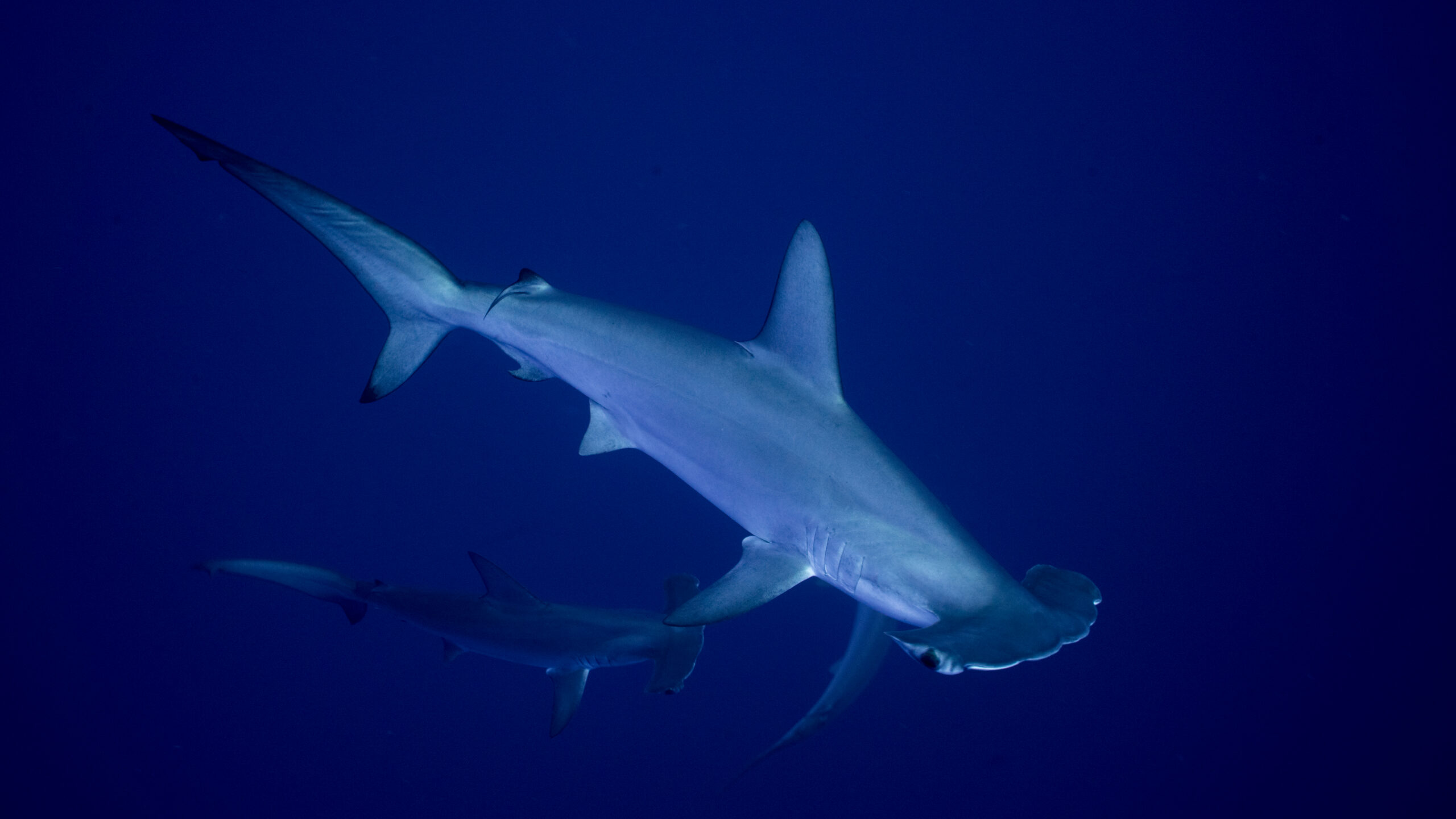
Governments around the world have taken significant steps to protect sharks and rays from extinction by agreeing to widespread international trade bans and restrictions. At the recent Conference of the Parties (COP20) held in Samarkand, Uzbekistan, over 70 species, including the oceanic whitetip shark, whale shark, and manta ray, received new protections under the Convention on International Trade in Endangered Species of Wild Fauna and Flora, commonly known as CITES.
CITES is a United Nations treaty that mandates countries to regulate or prohibit international trade in species whose survival is threatened. Sharks and rays, closely related species that serve as apex predators in marine ecosystems, have been subjected to extensive fishing and trade, contributing to a global market valued at nearly $1 billion annually, according to Luke Warwick, director of shark and ray conservation at the Wildlife Conservation Society (WCS).
Historic Protections Adopted
The new conservation measures represent a landmark commitment to halt or regulate the demand for shark meat, fins, and other products derived from these animals. “These new protections are a powerful step toward ensuring these species have a real chance at recovery,” stated Diego Cardeñosa, an assistant professor at Florida International University and lead scientist at the university’s Predator Ecology and Conservation Lab.
Over a third of shark and ray species are currently threatened with extinction. Pelagic shark populations in the open ocean have experienced declines of more than 70 percent over the past 50 years, and reef sharks have largely disappeared from one in five coral reefs globally. Warwick emphasized the urgency of the situation, noting, “We’re in the middle of an extinction crisis for these species and it’s kind of a silent crisis.”
The primary cause of these declines has been attributed to overfishing. Unlike more commercially regulated fish like tuna, sharks have long been treated as fast-reproducing seafood commodities. This misconception has led to their catch and killing at alarming rates.
Impact of Overfishing and Trade Regulations
Many species of manta rays are specifically targeted for their large gill plates, which are utilized in traditional medicines in Asia, despite the lack of scientific evidence supporting their effectiveness. Their meat is frequently consumed locally or used in animal feed. Shark fins are highly prized in luxury Chinese cuisine, featuring prominently in dishes like shark fin soup, while shark meat is increasingly marketed as a low-cost protein source.
The oil extracted from deep-water species, such as gulper sharks, is used to create squalene, a common ingredient in skincare products and makeup. The unregulated trade of these species has led to population declines of over 80 percent in some areas. “The cosmetic industry, really, in a way, is driving the trade of the sharks,” remarked Gabriel Vianna, a shark researcher from the Charles Darwin Foundation.
Until now, there were no international controls on the trade of these species, despite the rising demand for their livers. The recent decisions made at CITES represent a turning point in marine conservation. Historically, the treaty focused on protecting iconic land species, but in the last decade, it has begun recognizing sharks and rays with similar urgency.
All proposed protections for sharks and rays were unanimously adopted at COP20, a remarkable achievement given the participation of CITES’ 185 member countries and the European Union, which plays a significant role in the global shark meat trade.
Under the new regulations, gulper sharks and smoothhound sharks, which are primarily fished for their meat, have been listed under CITES’ Appendix II, necessitating strict regulation of international trade. Some species now protected by a temporary trade suspension include wedgefish and giant guitarfish, while oceanic whitetips, whale sharks, manta rays, and devil rays can no longer be traded internationally.
CITES now classifies these species as Appendix I, indicating they face a real extinction risk due to trade and are granted the treaty’s highest level of protection. “If you find an oceanic whitetip fin being traded, that’s an illegal product,” Warwick confirmed.
Despite the positive developments, the new listings evoke mixed emotions among advocates. “We are very happy but we are very sad at the same time,” Vianna stated. “We shouldn’t be happy about this species being listed. We should actually be really worried that there’s such a problem with them.”
Effective implementation of these protections will be essential for the survival of many of these species. Research by Cardeñosa and Warwick revealed that fins from various shark and ray species, including oceanic whitetip sharks, were frequently found in Hong Kong—the world’s largest shark fin market—between 2015 and 2021. The discovery underscored significant gaps in enforcement, as more than 90 percent of the trade is illegal, according to genetic analyses.
With the oceanic whitetip now listed under Appendix I, Cardeñosa hopes to close the loopholes that have previously allowed protected species to be traded illegally. “The new listings will not eliminate illegal trade overnight, but they will significantly strengthen the ability of countries to inspect, detect, and prosecute illegal shipments,” he noted.
To ensure the success of these new protections, Cardeñosa stresses the importance of investing in identification tools, capacity building, and routine monitoring. The commitment made at CITES marks a pivotal moment for marine conservation, offering a glimmer of hope for the future of sharks and rays.

Meta Plans Major Layoffs as AI Costs Surge

Alberta’s Referendum Could Pave Way for U.S. Statehood

Minooka District 201 Plans Enhanced Bilingual Support for Students

Canmore Approves Multiple Development Permits for New Projects

Remembering Bradly Castillo Shearsmith: A Life of Friendship and Joy

BIS Urges Watchdogs to Integrate Synthetic Risk Transfers in Stress Tests

Teva Transforms: Shifting Focus from Generics to Branded Success

Apple Launches AirPods Max 2 with Enhanced Audio Features

Ontario Ends Funding for Seven Supervised Injection Sites

Toyoake City Proposes Daily Two-Hour Smartphone Use Limit

Pedestrian Fatally Injured in Esquimalt Collision on August 14

B.C. Review Reveals Urgent Need for Rare-Disease Drug Reforms

Dark Adventure Game “Bye Sweet Carole” Set for October Release

Konami Revives Iconic Metal Gear Solid Delta Ahead of Release

Victoria’s Pop-Up Shop Shines Light on B.C.’s Wolf Cull

Jimmy Lai’s Defense Challenges Charges Under National Security Law

Snapmaker U1 Color 3D Printer Redefines Speed and Sustainability

Apple Expands Self-Service Repair Program to Canada
-
 Science12 months ago
Toyoake City Proposes Daily Two-Hour Smartphone Use Limit
-
 Top Stories12 months ago
Pedestrian Fatally Injured in Esquimalt Collision on August 14
-
 Health12 months ago
B.C. Review Reveals Urgent Need for Rare-Disease Drug Reforms
-
 Technology12 months ago
Dark Adventure Game “Bye Sweet Carole” Set for October Release
-
 Technology12 months ago
Konami Revives Iconic Metal Gear Solid Delta Ahead of Release
-
 Lifestyle12 months ago
Victoria’s Pop-Up Shop Shines Light on B.C.’s Wolf Cull
-
 World12 months ago
Jimmy Lai’s Defense Challenges Charges Under National Security Law
-
 Technology12 months ago
Snapmaker U1 Color 3D Printer Redefines Speed and Sustainability
-
 Technology12 months ago
Apple Expands Self-Service Repair Program to Canada
-

 Technology12 months ago
AION Folding Knife: Redefining EDC Design with Premium Materials
-

 Technology12 months ago
Solve Today’s Wordle Challenge: Hints and Answer for August 19
-

 Business12 months ago
Gordon Murray Automotive Unveils S1 LM and Le Mans GTR at Monterey