
Business
Alberta’s $4 Billion Resort Plan Raises Education Funding Concerns

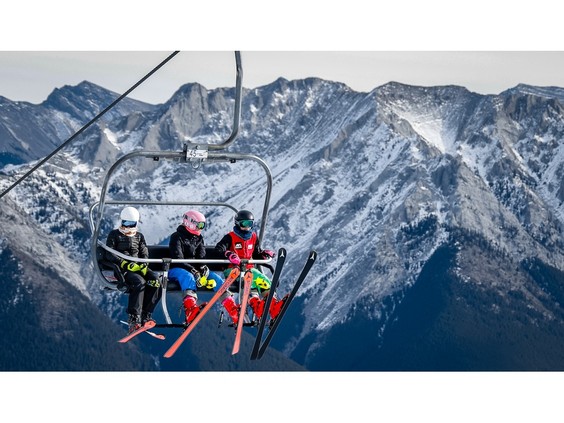
Plans to transform the Fortress, Nakiska, and Castle ski resorts into year-round destinations have sparked controversy in Alberta, with critics questioning the priorities of provincial spending. The ambitious redevelopment project, which is estimated to cost $4 billion, aims to boost tourism but raises concerns over the impact on education funding in the province.
Philis Heffner, a resident of Calgary, voiced her apprehension regarding the government’s decision to pursue such a costly initiative while simultaneously limiting educational resources. In her letter published on December 16, Heffner highlighted that teachers were compelled to return to work under a contract they had previously rejected, as the province cited insufficient funds for education. “Trying to increase tourism shouldn’t come at the expense of the needs of Albertans,” she stated, emphasizing the importance of investing in education for future generations.
The Alberta Teachers’ Association (ATA) was not permitted to pursue binding arbitration regarding teacher contracts, further compounding concerns about educational funding. Critics argue that without adequate investment in education, the long-term economic stability of the province is at risk. Heffner pointed out that a lack of quality education could lead to a workforce that cannot support the tourism industry the government is trying to develop.
In her letter, Heffner remarked, “Our children need to be educated so they can get good jobs later in life. Not funding education is very short-sighted.” This sentiment reflects a growing apprehension among citizens regarding the government’s priorities.
The debate over educational funding is further underscored by discussions surrounding criminal justice reforms. In a letter dated December 11, Bryan Mahoney addressed the issue of mandatory minimum sentences for crimes against children. He argued that while such measures might appear tough on crime, they do not necessarily protect young victims. Mahoney contended that a nuanced approach to sentencing, which considers intent and history, would be more effective in delivering justice.
He emphasized that rigid minimums can prolong legal proceedings and ultimately delay closure for child victims. “Facing a mandatory minimum, an offender, with no incentive to plead guilty, fights everything,” Mahoney wrote, highlighting the inefficiencies of a one-size-fits-all approach to sentencing.
Meanwhile, public figures like Paul Brandt are actively advocating for improved protections for children. Brandt, a well-known musician, has been involved in fundraising efforts and policy change initiatives related to human trafficking in Canada. He supports the idea that harsher penalties for underage offenders could deter future crimes and aid in rehabilitation.
Brandt’s advocacy aligns with a broader call for increased awareness and education regarding child exploitation. Heffner echoed this sentiment, urging the community to recognize the signs of abuse and work collectively to safeguard children’s futures.
As Alberta navigates the complexities of balancing tourism development with educational funding and child protection, the voices of concerned residents reflect a critical dialogue about the province’s priorities. The decisions made in the coming months will likely have lasting implications for both the educational landscape and the economic future of the region.

Meta Plans Major Layoffs as AI Costs Surge

Alberta’s Referendum Could Pave Way for U.S. Statehood

Minooka District 201 Plans Enhanced Bilingual Support for Students

Canmore Approves Multiple Development Permits for New Projects

Remembering Bradly Castillo Shearsmith: A Life of Friendship and Joy

BIS Urges Watchdogs to Integrate Synthetic Risk Transfers in Stress Tests

Teva Transforms: Shifting Focus from Generics to Branded Success

Apple Launches AirPods Max 2 with Enhanced Audio Features

Ontario Ends Funding for Seven Supervised Injection Sites

Toyoake City Proposes Daily Two-Hour Smartphone Use Limit

Pedestrian Fatally Injured in Esquimalt Collision on August 14

B.C. Review Reveals Urgent Need for Rare-Disease Drug Reforms

Dark Adventure Game “Bye Sweet Carole” Set for October Release

Konami Revives Iconic Metal Gear Solid Delta Ahead of Release

Victoria’s Pop-Up Shop Shines Light on B.C.’s Wolf Cull

Jimmy Lai’s Defense Challenges Charges Under National Security Law

Snapmaker U1 Color 3D Printer Redefines Speed and Sustainability

Apple Expands Self-Service Repair Program to Canada
-
 Science11 months ago
Toyoake City Proposes Daily Two-Hour Smartphone Use Limit
-
 Top Stories11 months ago
Pedestrian Fatally Injured in Esquimalt Collision on August 14
-
 Health11 months ago
B.C. Review Reveals Urgent Need for Rare-Disease Drug Reforms
-
 Technology11 months ago
Dark Adventure Game “Bye Sweet Carole” Set for October Release
-
 Technology11 months ago
Konami Revives Iconic Metal Gear Solid Delta Ahead of Release
-
 Lifestyle11 months ago
Victoria’s Pop-Up Shop Shines Light on B.C.’s Wolf Cull
-
 World11 months ago
Jimmy Lai’s Defense Challenges Charges Under National Security Law
-
 Technology11 months ago
Snapmaker U1 Color 3D Printer Redefines Speed and Sustainability
-
 Technology11 months ago
Apple Expands Self-Service Repair Program to Canada
-

 Technology11 months ago
AION Folding Knife: Redefining EDC Design with Premium Materials
-

 Technology11 months ago
Solve Today’s Wordle Challenge: Hints and Answer for August 19
-

 Business11 months ago
Gordon Murray Automotive Unveils S1 LM and Le Mans GTR at Monterey