
Top Stories
Ontario MP Proposes Law to Direct Criminal Fines to Community Groups

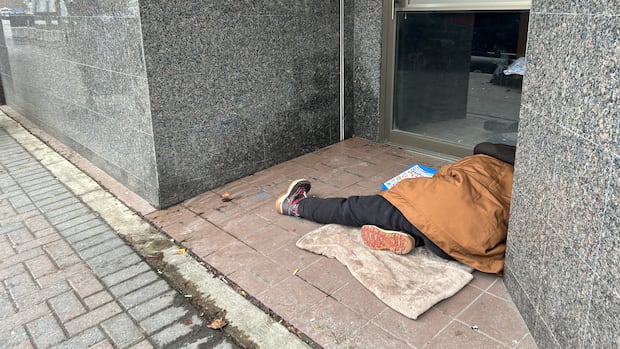
A proposed federal law from Viviane Lapointe, a Member of Parliament representing northern Ontario, aims to allow judges to allocate fines imposed on criminals directly to community organizations. The legislation, known as Bill C-238, seeks to empower judges to designate “restitution” funds to charitable groups addressing critical issues such as homelessness, addiction, and human trafficking.
The initiative emerged during a trial involving a local prostitution ring, where a survivor questioned why the profits from her exploitation remained with the perpetrator. Cristina Scarpellini, founder of the Angels of Hope Against Human Trafficking in Sudbury, highlighted this concern, stating that while the survivor felt some sense of justice, she wondered, “Where’s all my money that I made him? Why’s he allowed to keep that? Why isn’t it going to organizations or myself?”
The Go-Give Project, another Sudbury-based organization led by Evie Ali, is actively engaged in combating the city’s addiction and homelessness crisis. Ali noted that lack of funding might force her organization to reduce services in the upcoming year. She expressed hope that the proposed law would target major drug traffickers rather than smaller-scale dealers, emphasizing the significant profits being made from drug-related crimes in northern Ontario.
Lapointe acknowledged the difficulty in tracking how much restitution is awarded across Canada, stating, “It’s a tough thing to track.” She addressed questions regarding why charities cannot simply receive direct government funding, asserting that every source of financial support is essential. “I don’t see this as an either or. I see it as every amount of funding that we can get is very important,” she added.
Currently, judges have the discretion to grant restitution to charities, but this practice is rare. Lapointe aims for her bill to clarify how community costs can be defined and allocated. The third reading of Bill C-238 is scheduled for February 2024, and Lapointe is optimistic it will advance to a parliamentary committee for further refinement.
This proposed legislation highlights an innovative approach to funding essential community services, potentially reshaping how restitution is utilized within the justice system.

Meta Plans Major Layoffs as AI Costs Surge

Alberta’s Referendum Could Pave Way for U.S. Statehood

Minooka District 201 Plans Enhanced Bilingual Support for Students

Canmore Approves Multiple Development Permits for New Projects

Remembering Bradly Castillo Shearsmith: A Life of Friendship and Joy

BIS Urges Watchdogs to Integrate Synthetic Risk Transfers in Stress Tests

Teva Transforms: Shifting Focus from Generics to Branded Success

Apple Launches AirPods Max 2 with Enhanced Audio Features

Ontario Ends Funding for Seven Supervised Injection Sites

Toyoake City Proposes Daily Two-Hour Smartphone Use Limit

Pedestrian Fatally Injured in Esquimalt Collision on August 14

B.C. Review Reveals Urgent Need for Rare-Disease Drug Reforms

Dark Adventure Game “Bye Sweet Carole” Set for October Release

Konami Revives Iconic Metal Gear Solid Delta Ahead of Release

Victoria’s Pop-Up Shop Shines Light on B.C.’s Wolf Cull

Jimmy Lai’s Defense Challenges Charges Under National Security Law

Snapmaker U1 Color 3D Printer Redefines Speed and Sustainability

Apple Expands Self-Service Repair Program to Canada
-
 Science11 months ago
Toyoake City Proposes Daily Two-Hour Smartphone Use Limit
-
 Top Stories11 months ago
Pedestrian Fatally Injured in Esquimalt Collision on August 14
-
 Health11 months ago
B.C. Review Reveals Urgent Need for Rare-Disease Drug Reforms
-
 Technology11 months ago
Dark Adventure Game “Bye Sweet Carole” Set for October Release
-
 Technology11 months ago
Konami Revives Iconic Metal Gear Solid Delta Ahead of Release
-
 Lifestyle11 months ago
Victoria’s Pop-Up Shop Shines Light on B.C.’s Wolf Cull
-
 World11 months ago
Jimmy Lai’s Defense Challenges Charges Under National Security Law
-
 Technology11 months ago
Snapmaker U1 Color 3D Printer Redefines Speed and Sustainability
-
 Technology11 months ago
Apple Expands Self-Service Repair Program to Canada
-

 Technology11 months ago
AION Folding Knife: Redefining EDC Design with Premium Materials
-

 Technology11 months ago
Solve Today’s Wordle Challenge: Hints and Answer for August 19
-

 Business11 months ago
Gordon Murray Automotive Unveils S1 LM and Le Mans GTR at Monterey