
Technology
DIY Astronaut Toy Transforms into Smart AI Assistant

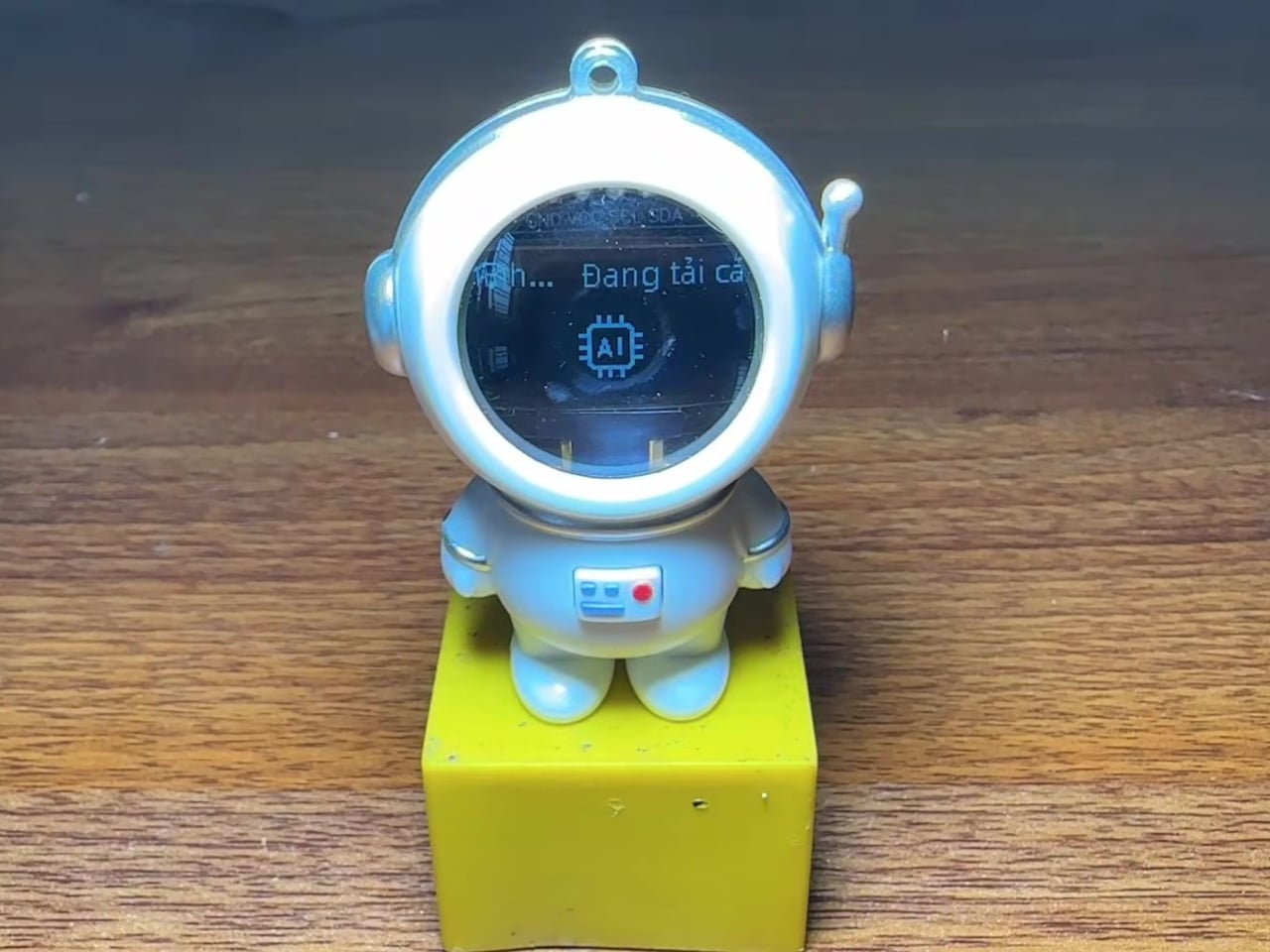
A new DIY project by designer D. Creative merges playfulness with technology, introducing a small astronaut figurine that functions as an AI chatbot. This innovative creation combines aesthetics and functionality, allowing it to serve as both a decorative item and a smart assistant on a desk or shelf.
Revolutionizing Desk Decor
Traditionally, DIY AI gadgets often resemble unfinished projects, cluttering spaces rather than enhancing them. The astronaut toy, however, redefines this notion by concealing its advanced technology within an appealing design. The core components, including an ESP32-S3 microcontroller, a microphone, amplifier, speaker, battery, and OLED display, are seamlessly integrated into the figurine.
At its heart, the astronaut serves as a conversational partner. Users can speak to the figurine, which responds through a cloud-based Large Language Model (LLM). The entire setup is designed to look like a charming desk accessory until it lights up and engages in conversation, creating an inviting atmosphere.
Technical Integration and User Interaction
The internal structure of the astronaut toy is meticulously crafted. The ESP32-S3 Super Mini operates as the device’s brain, while a digital I2S microphone captures voice commands. An I2S amplifier and a compact speaker provide responses, supported by a 300 mAh battery for reliable power. The 0.96-inch OLED display, cleverly placed within the helmet, serves as the robot’s face, allowing it to express different emotions during interactions.
The construction process involved repurposing an existing light-up astronaut toy. By drilling holes for buttons and a USB port, the designer skillfully integrated new hardware without compromising the toy’s original charm. This approach not only preserves the toy’s aesthetic appeal but also disguises the underlying technology, transforming it from a gadget into a character that enhances daily life.
The interaction process is straightforward and engaging. When users speak to the astronaut, their voice is captured and sent via Wi-Fi to a speech-to-text service. The resulting text is processed by the Qwen3 LLM, which generates a response. This text is then converted back to audio through a text-to-speech engine, allowing the astronaut to reply audibly. The OLED display animates during the interaction, indicating when the astronaut is listening, processing, or ready to answer, thus enriching the user experience.
This project exemplifies how integrating familiar objects with advanced technology can create compelling new products. The astronaut toy not only serves as a functional AI assistant but also introduces a playful element to home décor. As the line between toys and tools blurs, future innovations may lead to more household items housing intelligent capabilities, enhancing the way people interact with technology in their everyday lives.
The potential of such projects lies in their ability to blend seamlessly into everyday environments, making advanced technology more accessible and enjoyable. With this DIY astronaut, D. Creative sets a precedent for future makers to follow, encouraging them to explore new ways of incorporating AI into familiar designs.

Meta Plans Major Layoffs as AI Costs Surge

Alberta’s Referendum Could Pave Way for U.S. Statehood

Minooka District 201 Plans Enhanced Bilingual Support for Students

Canmore Approves Multiple Development Permits for New Projects

Remembering Bradly Castillo Shearsmith: A Life of Friendship and Joy

BIS Urges Watchdogs to Integrate Synthetic Risk Transfers in Stress Tests

Teva Transforms: Shifting Focus from Generics to Branded Success

Apple Launches AirPods Max 2 with Enhanced Audio Features

Ontario Ends Funding for Seven Supervised Injection Sites

Toyoake City Proposes Daily Two-Hour Smartphone Use Limit

Pedestrian Fatally Injured in Esquimalt Collision on August 14

B.C. Review Reveals Urgent Need for Rare-Disease Drug Reforms

Dark Adventure Game “Bye Sweet Carole” Set for October Release

Konami Revives Iconic Metal Gear Solid Delta Ahead of Release

Victoria’s Pop-Up Shop Shines Light on B.C.’s Wolf Cull

Jimmy Lai’s Defense Challenges Charges Under National Security Law

Snapmaker U1 Color 3D Printer Redefines Speed and Sustainability

Apple Expands Self-Service Repair Program to Canada
-
 Science1 year ago
Toyoake City Proposes Daily Two-Hour Smartphone Use Limit
-
 Top Stories1 year ago
Pedestrian Fatally Injured in Esquimalt Collision on August 14
-
 Health1 year ago
B.C. Review Reveals Urgent Need for Rare-Disease Drug Reforms
-
 Technology1 year ago
Dark Adventure Game “Bye Sweet Carole” Set for October Release
-
 Technology1 year ago
Konami Revives Iconic Metal Gear Solid Delta Ahead of Release
-
 Lifestyle1 year ago
Victoria’s Pop-Up Shop Shines Light on B.C.’s Wolf Cull
-
 World1 year ago
Jimmy Lai’s Defense Challenges Charges Under National Security Law
-
 Technology1 year ago
Snapmaker U1 Color 3D Printer Redefines Speed and Sustainability
-
 Technology1 year ago
Apple Expands Self-Service Repair Program to Canada
-

 Technology1 year ago
AION Folding Knife: Redefining EDC Design with Premium Materials
-

 Technology1 year ago
Solve Today’s Wordle Challenge: Hints and Answer for August 19
-

 Business1 year ago
Gordon Murray Automotive Unveils S1 LM and Le Mans GTR at Monterey