
Education
Congress Approves Whole Milk Bill for School Cafeterias

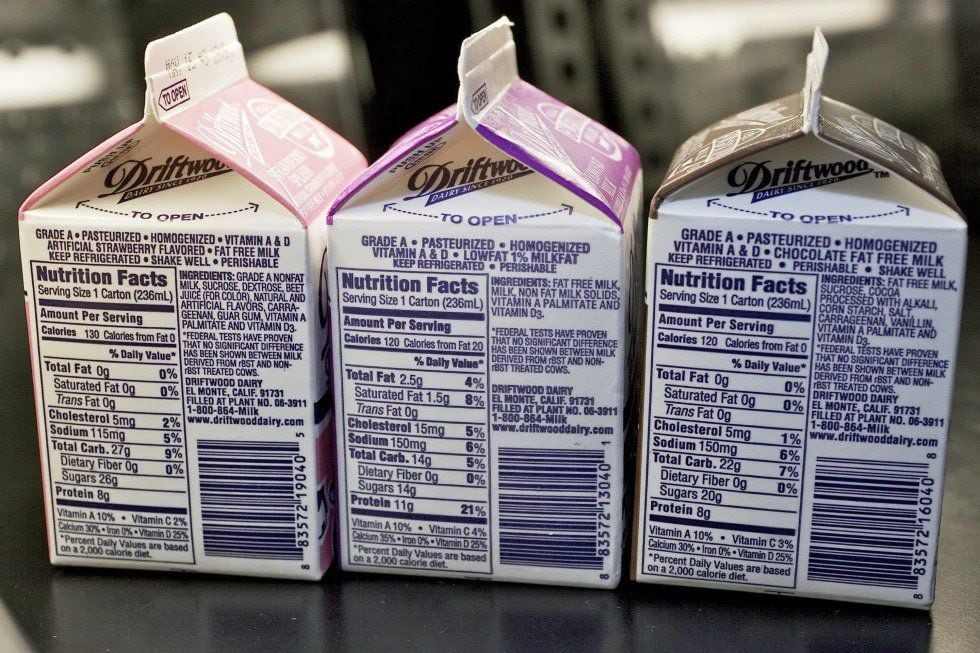
The U.S. Congress has passed the Whole Milk for Healthy Kids Act, legislation that will allow schools to offer whole milk in their cafeterias for the first time in over a decade. This bill, approved by the U.S. House of Representatives on December 15 and previously by the U.S. Senate in November, aims to reverse restrictions set by the U.S. Department of Agriculture (USDA) in 2012, which limited schools to serving only flavored and unflavored low-fat, fat-free, and lactose-free milk.
Supporters of the bill argue that it will help revitalize the dairy industry, which has seen a decline in market share, while also reconnecting children with the nutritional benefits and taste of milk. The Illinois Farm Bureau has been a strong advocate for this legislation. Its President, Philip Nelson, emphasized the positive impact on both dairy farmers and children, stating, “This is a significant win for Illinois dairy farmers and most importantly, for school children. With the passage of the Whole Milk for Healthy Kids Act, students will once again have access to a fortified, nutritious whole milk option at school, supporting healthy growth and development.”
The legislation will amend the National School Lunch Program, changing how milk fat is calculated in terms of saturated fat content in school meals. It will also allow students to receive non-dairy beverages, such as soy milk, without requiring a doctor’s note. According to Glenn “GT” Thompson, Chair of the House Agriculture Committee, “This legislation simply gives schools the flexibility to serve a broader variety of milk in the school lunch room.”
In 2010, Congress had passed the Healthy, Hunger-Free Kids Act, which aimed to combat childhood obesity by promoting healthier meal options in schools. As part of these efforts, whole and 2% milk were banned from school meals due to their higher saturated fat and calorie content compared to lower-fat options.
Once the bill is signed into law, the USDA’s Food and Nutrition Service will provide updated guidance and regulations to reflect the new statutory authority. As highlighted by Danny Munch, an economist with the American Farm Bureau Federation (AFBF), individual school districts will have the autonomy to decide when to implement whole milk or 2% milk in their menus. Many districts typically review their meal offerings at the beginning of the academic year, so changes may be seen as early as the new year or postponed until the next school cycle.
Agriculture Secretary Brooke Rollins has expressed support for the legislation, noting its potential to enhance school nutrition and bolster America’s dairy farmers. She stated, “This is more than a policy change; it’s a practical tool for promoting health nationwide and ensuring that America’s next generation thrives.”
This significant legislative move comes with the backing of various agricultural organizations and is poised to have a meaningful impact on the nutritional options available to students across the country. For further updates on food and farming, interested readers can visit FarmWeekNow.com.

Meta Plans Major Layoffs as AI Costs Surge

Alberta’s Referendum Could Pave Way for U.S. Statehood

Minooka District 201 Plans Enhanced Bilingual Support for Students

Canmore Approves Multiple Development Permits for New Projects

Remembering Bradly Castillo Shearsmith: A Life of Friendship and Joy

BIS Urges Watchdogs to Integrate Synthetic Risk Transfers in Stress Tests

Teva Transforms: Shifting Focus from Generics to Branded Success

Apple Launches AirPods Max 2 with Enhanced Audio Features

Ontario Ends Funding for Seven Supervised Injection Sites

Toyoake City Proposes Daily Two-Hour Smartphone Use Limit

Pedestrian Fatally Injured in Esquimalt Collision on August 14

B.C. Review Reveals Urgent Need for Rare-Disease Drug Reforms

Dark Adventure Game “Bye Sweet Carole” Set for October Release

Konami Revives Iconic Metal Gear Solid Delta Ahead of Release

Jimmy Lai’s Defense Challenges Charges Under National Security Law

Victoria’s Pop-Up Shop Shines Light on B.C.’s Wolf Cull

Snapmaker U1 Color 3D Printer Redefines Speed and Sustainability

Apple Expands Self-Service Repair Program to Canada
-
 Science11 months ago
Toyoake City Proposes Daily Two-Hour Smartphone Use Limit
-
 Top Stories11 months ago
Pedestrian Fatally Injured in Esquimalt Collision on August 14
-
 Health11 months ago
B.C. Review Reveals Urgent Need for Rare-Disease Drug Reforms
-
 Technology11 months ago
Dark Adventure Game “Bye Sweet Carole” Set for October Release
-
 Technology11 months ago
Konami Revives Iconic Metal Gear Solid Delta Ahead of Release
-
 World11 months ago
Jimmy Lai’s Defense Challenges Charges Under National Security Law
-
 Lifestyle11 months ago
Victoria’s Pop-Up Shop Shines Light on B.C.’s Wolf Cull
-
 Technology11 months ago
Snapmaker U1 Color 3D Printer Redefines Speed and Sustainability
-
 Technology11 months ago
Apple Expands Self-Service Repair Program to Canada
-

 Technology11 months ago
AION Folding Knife: Redefining EDC Design with Premium Materials
-

 Technology11 months ago
Solve Today’s Wordle Challenge: Hints and Answer for August 19
-

 Business11 months ago
Gordon Murray Automotive Unveils S1 LM and Le Mans GTR at Monterey