
Top Stories
Asian Markets Surge as Tech Stocks Drive Record Gains

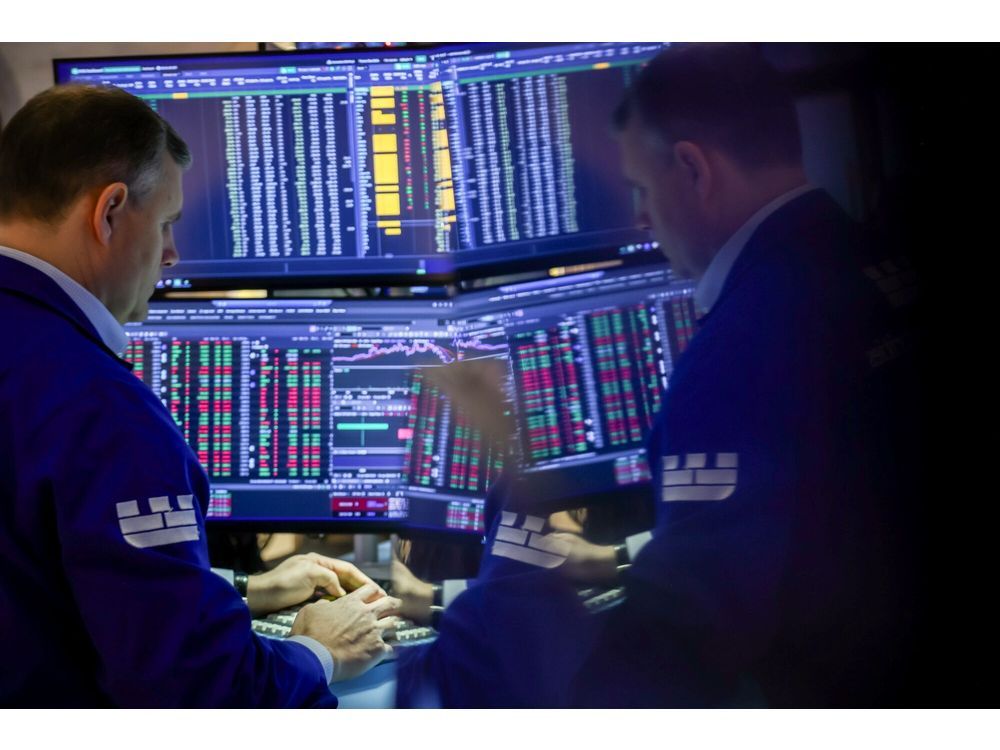
Asian equities reached an all-time high as investors showed renewed confidence in technology stocks, particularly those linked to artificial intelligence (AI). The MSCI regional stock index surged by as much as 1.7%, buoyed by gains from major chipmakers such as Samsung Electronics Co. and Taiwan Semiconductor Manufacturing Co.. This rally extended the momentum from last year’s growth in AI-related companies, with broader equity-index futures for both the US and Europe also experiencing upward trends.
The positive sentiment in Asian markets followed impressive gains at the start of the year, marking the strongest January performance since 2012. Investors are optimistic that substantial corporate investments in technology will continue to drive earnings growth. In this climate, geopolitical tensions, particularly those surrounding Venezuela, have not dampened market enthusiasm.
In the commodities sector, silver prices rose by 4.8%, while gold jumped by 2%, surpassing $4,400 an ounce. This spike followed the US’s recent actions to remove Venezuelan President Nicolás Maduro, which has led to increased speculation regarding supply disruptions. Copper prices also approached record highs amid concerns of tightening supply, while oil prices fluctuated due to uncertainties in the global crude market.
Participants in the market remain focused on technology. In a recent interview, Charu Chanana, chief investment strategist at Saxo Markets, stated, “AI absolutely stays the most dominant factor in the markets right now.” This reflects a broader market trend where tech optimism overshadows other narratives, maintaining strong investor interest.
Oil prices exhibited volatility, with Brent crude initially falling by 1.2% before recovering to around $61 per barrel. Analysts observed that the recent developments in Venezuela have not significantly impacted the global oil market, suggesting a resilience in how traders are pricing geopolitical risks. Dilin Wu, a strategist at Pepperstone Group Ltd., noted that “geopolitical noise fades quickly,” indicating that the market is adept at absorbing such shocks.
In response to the escalating situation in Venezuela, acting President Delcy Rodríguez has adopted a more conciliatory stance, urging the US to collaborate with her administration. This shift comes after initial outrage over Maduro’s ousting, which has raised questions about the future of US-Venezuelan relations. President Donald Trump emphasized the need for “total access” for US oil companies to invest in Venezuela’s ailing energy infrastructure, which reportedly remains largely intact despite recent US military actions.
The evolving market conditions are prompting global investors to stay alert to geopolitical risks, which may influence demand for precious metals and contribute to a shift in US Treasury yields. According to Mark Cranfield, an MLIV strategist, the current environment suggests that while geopolitical concerns will remain prevalent, they may not significantly alter the investment landscape dominated by technology and AI.
In the bond market, the yield on the benchmark 10-year US Treasury fell by one basis point to 4.18%. The dollar index also rose by 0.3%, reflecting a cautious but optimistic outlook among traders. Federal Reserve Bank of Philadelphia President Anna Paulson indicated that modest interest-rate cuts could be appropriate later in 2026, contingent on a stable economic outlook.
As the week progresses, key economic data will shape market sentiment. The US Bureau of Labor Statistics is set to release figures for November job openings, quits, and layoffs on Wednesday, while the Institute for Supply Management’s December surveys will provide insights into manufacturing and service sectors. Additionally, the US government will report on October housing starts by the end of the week.
In corporate news, Tesla Inc. has ceded its position as the world’s top seller of electric vehicles to China’s BYD Co., marking a significant shift in the market landscape. Meanwhile, Airbus SE reported delivering 793 aircraft in 2025, exceeding its revised annual target. Other companies, such as Saks Global Enterprises, are preparing for significant financial restructuring, with plans to secure loans amid ongoing challenges.
As Asian markets continue to thrive, the interplay between technology investments, geopolitical tensions, and economic indicators will remain crucial in dictating future trends. Investors are advised to remain vigilant, balancing enthusiasm with caution as the landscape evolves.

Meta Plans Major Layoffs as AI Costs Surge

Alberta’s Referendum Could Pave Way for U.S. Statehood

Minooka District 201 Plans Enhanced Bilingual Support for Students

Canmore Approves Multiple Development Permits for New Projects

Remembering Bradly Castillo Shearsmith: A Life of Friendship and Joy

BIS Urges Watchdogs to Integrate Synthetic Risk Transfers in Stress Tests

Teva Transforms: Shifting Focus from Generics to Branded Success

Apple Launches AirPods Max 2 with Enhanced Audio Features

Ontario Ends Funding for Seven Supervised Injection Sites

Toyoake City Proposes Daily Two-Hour Smartphone Use Limit

Pedestrian Fatally Injured in Esquimalt Collision on August 14

B.C. Review Reveals Urgent Need for Rare-Disease Drug Reforms

Dark Adventure Game “Bye Sweet Carole” Set for October Release

Konami Revives Iconic Metal Gear Solid Delta Ahead of Release

Victoria’s Pop-Up Shop Shines Light on B.C.’s Wolf Cull

Jimmy Lai’s Defense Challenges Charges Under National Security Law

Snapmaker U1 Color 3D Printer Redefines Speed and Sustainability

Apple Expands Self-Service Repair Program to Canada
-
 Science1 year ago
Toyoake City Proposes Daily Two-Hour Smartphone Use Limit
-
 Top Stories1 year ago
Pedestrian Fatally Injured in Esquimalt Collision on August 14
-
 Health1 year ago
B.C. Review Reveals Urgent Need for Rare-Disease Drug Reforms
-
 Technology1 year ago
Dark Adventure Game “Bye Sweet Carole” Set for October Release
-
 Technology1 year ago
Konami Revives Iconic Metal Gear Solid Delta Ahead of Release
-
 Lifestyle1 year ago
Victoria’s Pop-Up Shop Shines Light on B.C.’s Wolf Cull
-
 World1 year ago
Jimmy Lai’s Defense Challenges Charges Under National Security Law
-
 Technology1 year ago
Snapmaker U1 Color 3D Printer Redefines Speed and Sustainability
-
 Technology1 year ago
Apple Expands Self-Service Repair Program to Canada
-

 Technology1 year ago
AION Folding Knife: Redefining EDC Design with Premium Materials
-

 Technology1 year ago
Solve Today’s Wordle Challenge: Hints and Answer for August 19
-

 Business1 year ago
Gordon Murray Automotive Unveils S1 LM and Le Mans GTR at Monterey