
Science
Same-Sex Behaviour in Primates Strengthens Social Bonds, Study Finds

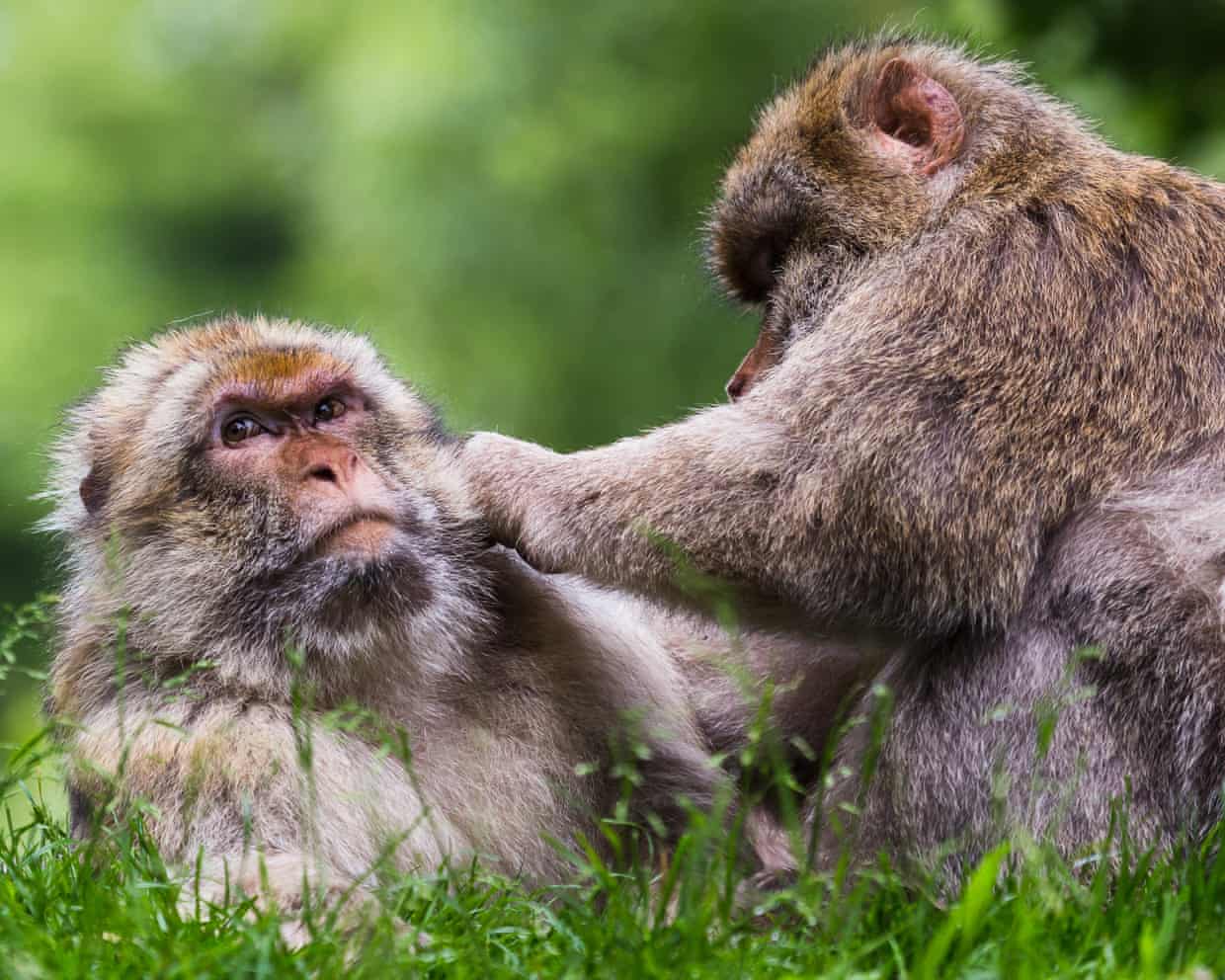
Research suggests that same-sex sexual behaviour among non-human primates may serve as a mechanism to reinforce social bonds, particularly in challenging environmental conditions. A study published in the journal Nature Ecology & Evolution reveals that this behaviour is widespread across various primate species, including chimpanzees, Barbary macaques, and mountain gorillas. The findings indicate that such interactions might play a crucial role in maintaining group cohesion during periods of environmental or social stress.
The study was co-authored by Prof Vincent Savolainen from Imperial College London, who noted that the behaviours observed in modern primates could reflect those experienced by early human species. He remarked, “There were many different species that unfortunately [are] all gone, that must have done this same thing as we see in apes, for example.” This perspective opens a discussion about the evolutionary roots of same-sex behaviour and its implications for understanding social structures among primates.
Widespread Behaviour Across Species
The researchers analysed reports of same-sex sexual behaviour in a total of 59 species, leading them to conclude that this behaviour could either have a deep evolutionary origin or have evolved independently multiple times in different primate lineages. Previous studies have suggested that such behaviours may help alleviate tension and foster bonding among group members. The new study, however, expands on this by examining various species to identify the potential drivers behind these behaviours.
Results indicate that same-sex interactions are more prevalent in species inhabiting drier environments where resources are limited, as well as those facing greater predation threats. “Previous research has shown there is a heritable element to [same-sex sexual behaviour], however, there is also environmental influence which is often overlooked,” explained Chloe Coxshall, the lead author of the study. The research also found that such behaviours are more common in species with longer lifespans and where males and females exhibit size differences, a characteristic usually associated with larger social groups and heightened competition.
Implications for Human Behaviour
The researchers propose that same-sex sexual behaviour functions as an affiliative behaviour that enhances bonding, mitigates aggression, and assists species in navigating environmental and social challenges. They observe that the interconnectedness of environmental conditions and life history traits influences social systems among primates.
While the study raises intriguing questions about parallels to human behaviour, the authors caution against misinterpretations. They note that factors such as social equality may not directly correlate with same-sex sexual behaviour in humans. Instead, they highlight that modern social pressures could play a more significant role, as younger generations report increased sexual fluidity alongside mental health challenges.
Prof Zanna Clay from Durham University, who did not participate in the study, emphasizes that the findings shed light on the significance of same-sex behaviour within primate social structures. She remarked, “By showing how widespread it is across primates, and its important adaptive functions, the study contributes a nice novel angle to debates on the origins of same-sex behaviour.”
However, Josh Davis from the Natural History Museum in London cautioned against drawing direct comparisons between animal behaviour and human social constructs. He noted that queer behaviours manifest in diverse forms across the animal kingdom, implying that the motivations behind such behaviours are likely to be equally varied. “People are complex and a result of a whole range of different factors separate from other animals, making these comparisons and extrapolations incredibly contentious,” he stated.
The study presents a compelling case for understanding same-sex sexual behaviour as a vital component of social dynamics among primates. As researchers continue to explore this phenomenon, future studies may expand the analysis to other animal species to determine whether similar patterns and hypotheses hold true across the animal kingdom.

Meta Plans Major Layoffs as AI Costs Surge

Alberta’s Referendum Could Pave Way for U.S. Statehood

Minooka District 201 Plans Enhanced Bilingual Support for Students

Canmore Approves Multiple Development Permits for New Projects

Remembering Bradly Castillo Shearsmith: A Life of Friendship and Joy

BIS Urges Watchdogs to Integrate Synthetic Risk Transfers in Stress Tests

Teva Transforms: Shifting Focus from Generics to Branded Success

Apple Launches AirPods Max 2 with Enhanced Audio Features

Ontario Ends Funding for Seven Supervised Injection Sites

Toyoake City Proposes Daily Two-Hour Smartphone Use Limit

Pedestrian Fatally Injured in Esquimalt Collision on August 14

B.C. Review Reveals Urgent Need for Rare-Disease Drug Reforms

Dark Adventure Game “Bye Sweet Carole” Set for October Release

Konami Revives Iconic Metal Gear Solid Delta Ahead of Release

Victoria’s Pop-Up Shop Shines Light on B.C.’s Wolf Cull

Jimmy Lai’s Defense Challenges Charges Under National Security Law

Snapmaker U1 Color 3D Printer Redefines Speed and Sustainability

Apple Expands Self-Service Repair Program to Canada
-
 Science11 months ago
Toyoake City Proposes Daily Two-Hour Smartphone Use Limit
-
 Top Stories11 months ago
Pedestrian Fatally Injured in Esquimalt Collision on August 14
-
 Health11 months ago
B.C. Review Reveals Urgent Need for Rare-Disease Drug Reforms
-
 Technology11 months ago
Dark Adventure Game “Bye Sweet Carole” Set for October Release
-
 Technology11 months ago
Konami Revives Iconic Metal Gear Solid Delta Ahead of Release
-
 Lifestyle11 months ago
Victoria’s Pop-Up Shop Shines Light on B.C.’s Wolf Cull
-
 World11 months ago
Jimmy Lai’s Defense Challenges Charges Under National Security Law
-
 Technology11 months ago
Snapmaker U1 Color 3D Printer Redefines Speed and Sustainability
-
 Technology11 months ago
Apple Expands Self-Service Repair Program to Canada
-

 Technology11 months ago
AION Folding Knife: Redefining EDC Design with Premium Materials
-

 Technology11 months ago
Solve Today’s Wordle Challenge: Hints and Answer for August 19
-

 Business11 months ago
Gordon Murray Automotive Unveils S1 LM and Le Mans GTR at Monterey