
Education
Universities Fail to Support Disabled Students, Increasing Dropout Rates

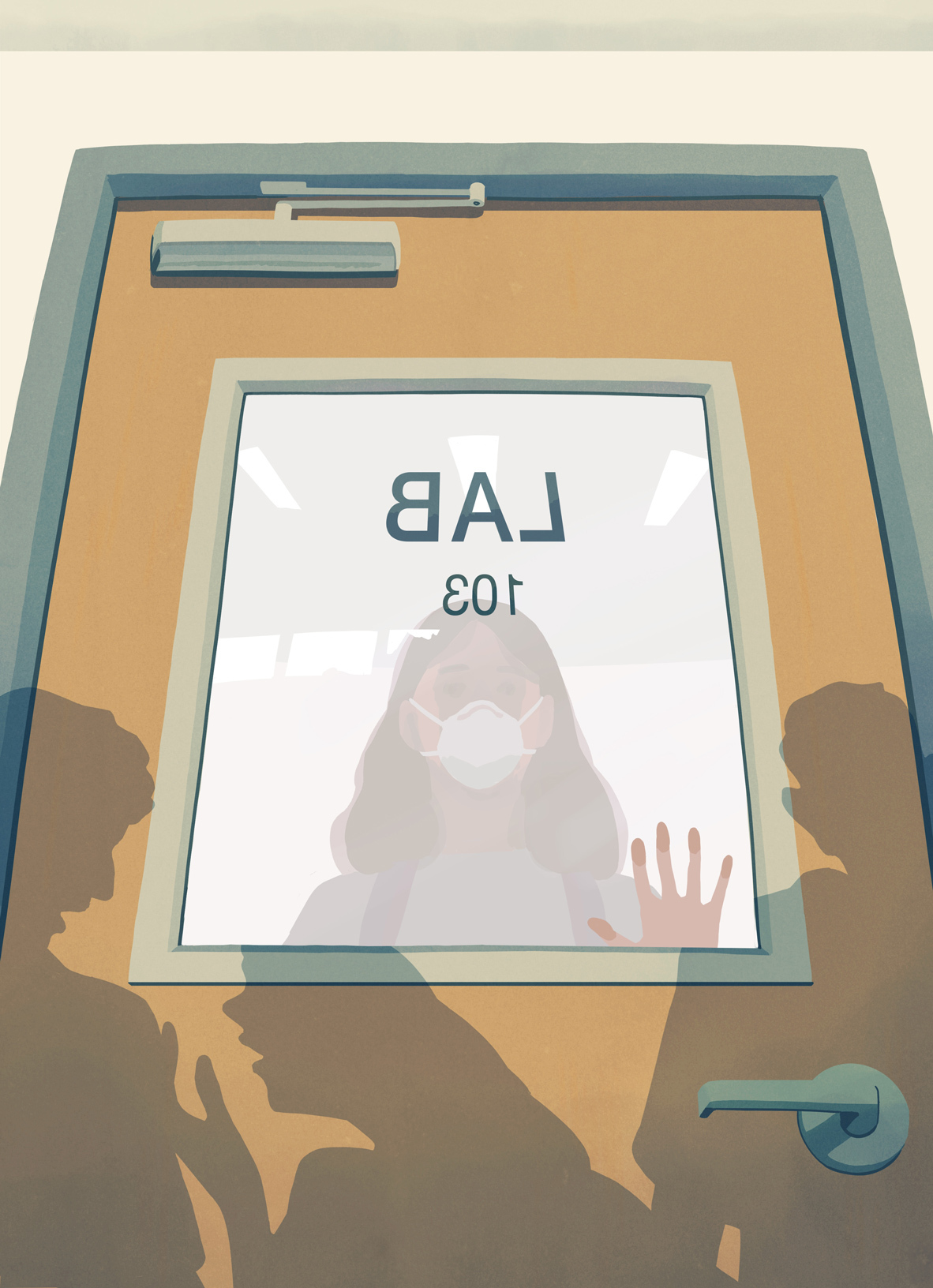
Issues surrounding disability accommodations in universities have become increasingly apparent, as many institutions struggle to provide adequate support for disabled students and staff. Reports indicate that some administrators view accommodations as optional favors rather than legal requirements, leading to significant challenges for those seeking assistance.
The experience of Naomi, a student at a Toronto university, highlights this troubling trend. Naomi, who has autism and learning disabilities, initially thrived with accommodations during her junior high years. However, the onset of the COVID-19 pandemic in early 2020 forced her to confront the reality of her disabilities more profoundly. While the shift to online classes provided her relief from the sensory overload of campus life, the transition back to in-person learning in January 2022 proved disastrous.
Naomi requested to continue her studies remotely, a practice her university permitted for some programs. Despite the legal protections under human rights law that mandate reasonable accommodations, her request was denied. This denial forced her to navigate an academic environment that she felt was unwelcoming and hostile to her needs.
Statistics reveal that the struggles faced by Naomi are not isolated incidents. A 2024 Canadian University Survey Consortium report indicated that while 35 percent of graduating students identified as disabled, only 10 percent accessed necessary services. This discrepancy underscores a significant gap in support for disabled students across Canadian universities.
Challenges in Accommodations Process
Disabled individuals in academia often encounter a bureaucratic maze that complicates their access to accommodations. Interviews with students and faculty reveal a common sentiment: the system is designed to discourage requests for help. As articulated by Jay Dolmage, a professor at the University of Waterloo, the pandemic offered a unique opportunity to redesign higher education, but this potential has largely been overlooked.
Naomi’s experience mirrors that of other students who felt pressure to conform to non-disabled academic norms. She described her return to campus in September 2022 as overwhelming, ultimately leading her to withdraw from a required in-person course despite maintaining a strong academic record with a 4.0 GPA. The emotional toll of battling for accommodations left her questioning her future in academia.
Many students express frustration with the perception that requesting accommodations equates to seeking unfair advantages. This misconception is compounded by recent articles suggesting that some students exploit the system, a narrative criticized by many in the disability community. In particular, an article in The Atlantic raised concerns about wealthy students allegedly gaming the accommodations system, further complicating the discourse surrounding disability support.
Consequences for Disabled Faculty and Staff
The challenges extend beyond students to faculty and staff within academic institutions. A study by Statistics Canada revealed that 35 percent of disabled university faculty experienced unfair treatment or discrimination. The fear of job loss often prevents disabled employees from disclosing their disabilities or seeking accommodations.
Tanya Pobuda, a former instructor at Toronto Metropolitan University, noted the increasing hostility toward faculty with disabilities. She emphasized that many institutions present themselves as champions of equity and inclusion while simultaneously failing to address the needs of disabled individuals. This contradiction leads to a culture where disabled employees feel pressured to conceal their disabilities rather than seek necessary support.
As universities continue to grapple with these issues, the consequences for students like Naomi are profound. After years of struggling to secure accommodations, she ultimately withdrew from her program. She now runs a small business in a disability-related field, recognizing that her academic journey was not the right path for her.
The challenges faced by disabled students and staff in universities are indicative of broader systemic issues within academia. As institutions tout their commitments to diversity and inclusion, the reality for many remains starkly different. Without meaningful changes to the accommodations process and a shift in the perception of disability, the cycle of exclusion is likely to persist.
In light of these ongoing challenges, advocacy for improved support systems in higher education remains crucial. The experiences of students and faculty alike underscore the urgent need for universities to not only acknowledge their legal obligations but also to create environments where all individuals can thrive.

Meta Plans Major Layoffs as AI Costs Surge

Alberta’s Referendum Could Pave Way for U.S. Statehood

Minooka District 201 Plans Enhanced Bilingual Support for Students

Canmore Approves Multiple Development Permits for New Projects

Remembering Bradly Castillo Shearsmith: A Life of Friendship and Joy

BIS Urges Watchdogs to Integrate Synthetic Risk Transfers in Stress Tests

Teva Transforms: Shifting Focus from Generics to Branded Success

Apple Launches AirPods Max 2 with Enhanced Audio Features

Ontario Ends Funding for Seven Supervised Injection Sites

Toyoake City Proposes Daily Two-Hour Smartphone Use Limit

Pedestrian Fatally Injured in Esquimalt Collision on August 14

B.C. Review Reveals Urgent Need for Rare-Disease Drug Reforms

Dark Adventure Game “Bye Sweet Carole” Set for October Release

Konami Revives Iconic Metal Gear Solid Delta Ahead of Release

Jimmy Lai’s Defense Challenges Charges Under National Security Law

Victoria’s Pop-Up Shop Shines Light on B.C.’s Wolf Cull

Snapmaker U1 Color 3D Printer Redefines Speed and Sustainability

Apple Expands Self-Service Repair Program to Canada
-
 Science11 months ago
Toyoake City Proposes Daily Two-Hour Smartphone Use Limit
-
 Top Stories11 months ago
Pedestrian Fatally Injured in Esquimalt Collision on August 14
-
 Health11 months ago
B.C. Review Reveals Urgent Need for Rare-Disease Drug Reforms
-
 Technology11 months ago
Dark Adventure Game “Bye Sweet Carole” Set for October Release
-
 Technology11 months ago
Konami Revives Iconic Metal Gear Solid Delta Ahead of Release
-
 World11 months ago
Jimmy Lai’s Defense Challenges Charges Under National Security Law
-
 Lifestyle11 months ago
Victoria’s Pop-Up Shop Shines Light on B.C.’s Wolf Cull
-
 Technology11 months ago
Snapmaker U1 Color 3D Printer Redefines Speed and Sustainability
-
 Technology11 months ago
Apple Expands Self-Service Repair Program to Canada
-

 Technology11 months ago
AION Folding Knife: Redefining EDC Design with Premium Materials
-

 Technology11 months ago
Solve Today’s Wordle Challenge: Hints and Answer for August 19
-

 Business11 months ago
Gordon Murray Automotive Unveils S1 LM and Le Mans GTR at Monterey