
Top Stories
Nanaimo Secures $105,000 Grant for Sea Level Rise Management

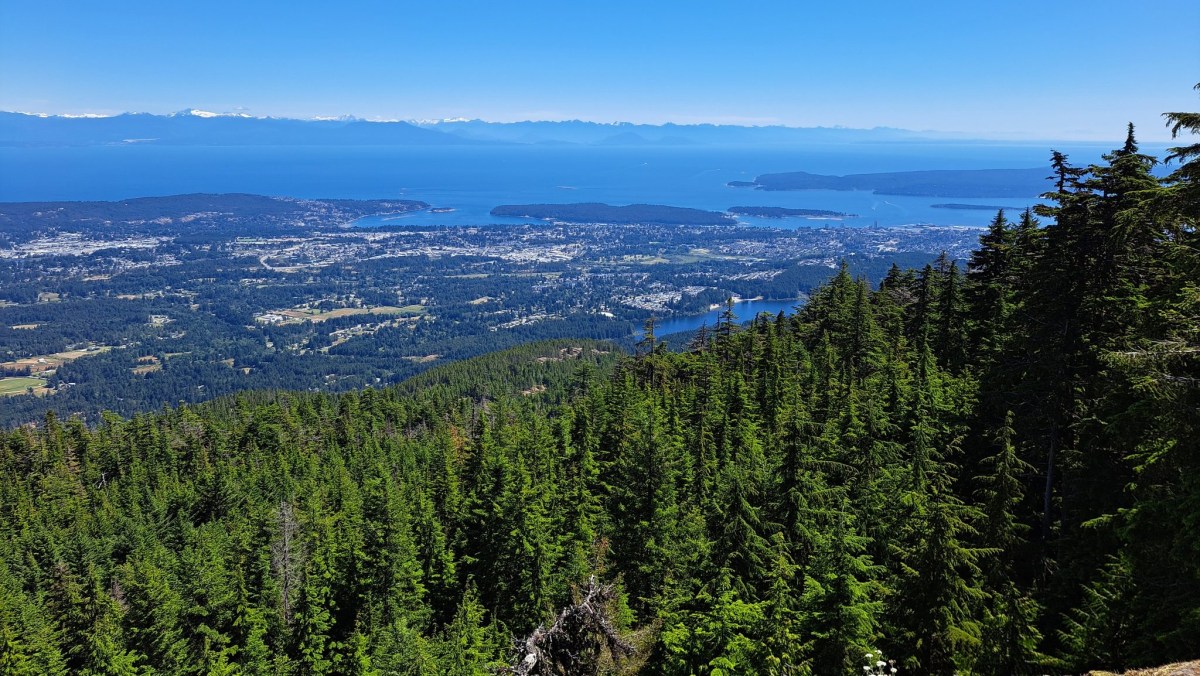
The City of Nanaimo has received a grant of $105,000 to support its Sea Level Rise Management Plan, which aims to assess and mitigate the impacts of rising sea levels along its coastlines. This funding is part of a larger initiative, with a total of $7.1 million allocated to 80 projects across Canada through the Climate-Ready Plans and Processes grant, administered by Environment and Climate Change Canada in partnership with the Federation of Canadian Municipalities (FCM).
The city applied for the funding in June 2024, shortly after the announcement of the grant application process. The Sea Level Rise Management Plan is considered a priority under Nanaimo’s Integrated Action Plan, reflecting the urgency of addressing climate-related risks.
Understanding the Need for Action
Nanaimo conducted its first Sea Level Rise Study in 2019, which projected potential impacts for 2050 and 2100 while assessing coastal erosion risks. According to city officials, this study laid the groundwork for comprehending the vulnerability of the coastline and for planning future adaptations.
Following the initial study, city environmental planner David Stewart presented a comprehensive Sea Level Rise Management Plan to local authorities in December 2024. The plan aims to expand the city’s understanding of sea level rise and storm surge effects in vulnerable areas identified in the previous study, which include critical low-lying regions such as Departure Bay and Protection Island.
Key Elements of the Management Plan
The Sea Level Rise Management Plan outlines six crucial elements:
1. **Probability Assessment**: This involves calculating the likelihood of sea level rise, incorporating factors such as storm surge, wind speed, and tidal variations. This assessment will inform adjustments to flood control elevations.
2. **Modeling Vulnerable Areas**: The plan includes two-dimensional modeling to evaluate wave runup and the impacts of multiple tide cycles on at-risk locations.
3. **Economic Impact Analysis**: Estimations will be made regarding the financial implications of rising sea levels on coastal infrastructure and properties.
4. **Collaboration with Partners**: Engaging multi-disciplinary partners will be vital for developing effective management strategies.
5. **Coastal Erosion Monitoring**: The plan calls for detailed surveys of areas susceptible to coastal erosion, such as the North Slope, using advanced imagery analysis.
6. **Communication Strategy**: A post-study strategy will be created to share findings with property owners and stakeholders, ensuring transparency and community engagement.
Preparatory work for the management plan commenced this fall, focusing on background research and partnership engagement. Over the next several months, the city plans to advance modeling, floodplain mapping, and economic risk assessments. A report detailing the initial phase of the project is anticipated by summer 2026.
Nanaimo’s proactive approach reflects a commitment to environmental resilience, as the city continues to address the pressing challenges posed by climate change. For ongoing updates, residents and interested parties can visit the city’s official Sea Level Rise Management Plan webpage.

Meta Plans Major Layoffs as AI Costs Surge

Alberta’s Referendum Could Pave Way for U.S. Statehood

Minooka District 201 Plans Enhanced Bilingual Support for Students

Canmore Approves Multiple Development Permits for New Projects

Remembering Bradly Castillo Shearsmith: A Life of Friendship and Joy

BIS Urges Watchdogs to Integrate Synthetic Risk Transfers in Stress Tests

Teva Transforms: Shifting Focus from Generics to Branded Success

Apple Launches AirPods Max 2 with Enhanced Audio Features

Ontario Ends Funding for Seven Supervised Injection Sites

Toyoake City Proposes Daily Two-Hour Smartphone Use Limit

Pedestrian Fatally Injured in Esquimalt Collision on August 14

B.C. Review Reveals Urgent Need for Rare-Disease Drug Reforms

Dark Adventure Game “Bye Sweet Carole” Set for October Release

Konami Revives Iconic Metal Gear Solid Delta Ahead of Release

Victoria’s Pop-Up Shop Shines Light on B.C.’s Wolf Cull

Jimmy Lai’s Defense Challenges Charges Under National Security Law

Snapmaker U1 Color 3D Printer Redefines Speed and Sustainability

Apple Expands Self-Service Repair Program to Canada
-
 Science11 months ago
Toyoake City Proposes Daily Two-Hour Smartphone Use Limit
-
 Top Stories11 months ago
Pedestrian Fatally Injured in Esquimalt Collision on August 14
-
 Health11 months ago
B.C. Review Reveals Urgent Need for Rare-Disease Drug Reforms
-
 Technology11 months ago
Dark Adventure Game “Bye Sweet Carole” Set for October Release
-
 Technology11 months ago
Konami Revives Iconic Metal Gear Solid Delta Ahead of Release
-
 Lifestyle11 months ago
Victoria’s Pop-Up Shop Shines Light on B.C.’s Wolf Cull
-
 World11 months ago
Jimmy Lai’s Defense Challenges Charges Under National Security Law
-
 Technology11 months ago
Snapmaker U1 Color 3D Printer Redefines Speed and Sustainability
-
 Technology11 months ago
Apple Expands Self-Service Repair Program to Canada
-

 Technology11 months ago
AION Folding Knife: Redefining EDC Design with Premium Materials
-

 Technology11 months ago
Solve Today’s Wordle Challenge: Hints and Answer for August 19
-

 Business11 months ago
Gordon Murray Automotive Unveils S1 LM and Le Mans GTR at Monterey