
World
Aircraft Engine Sizes Surge Since the Jet Age’s Dawn

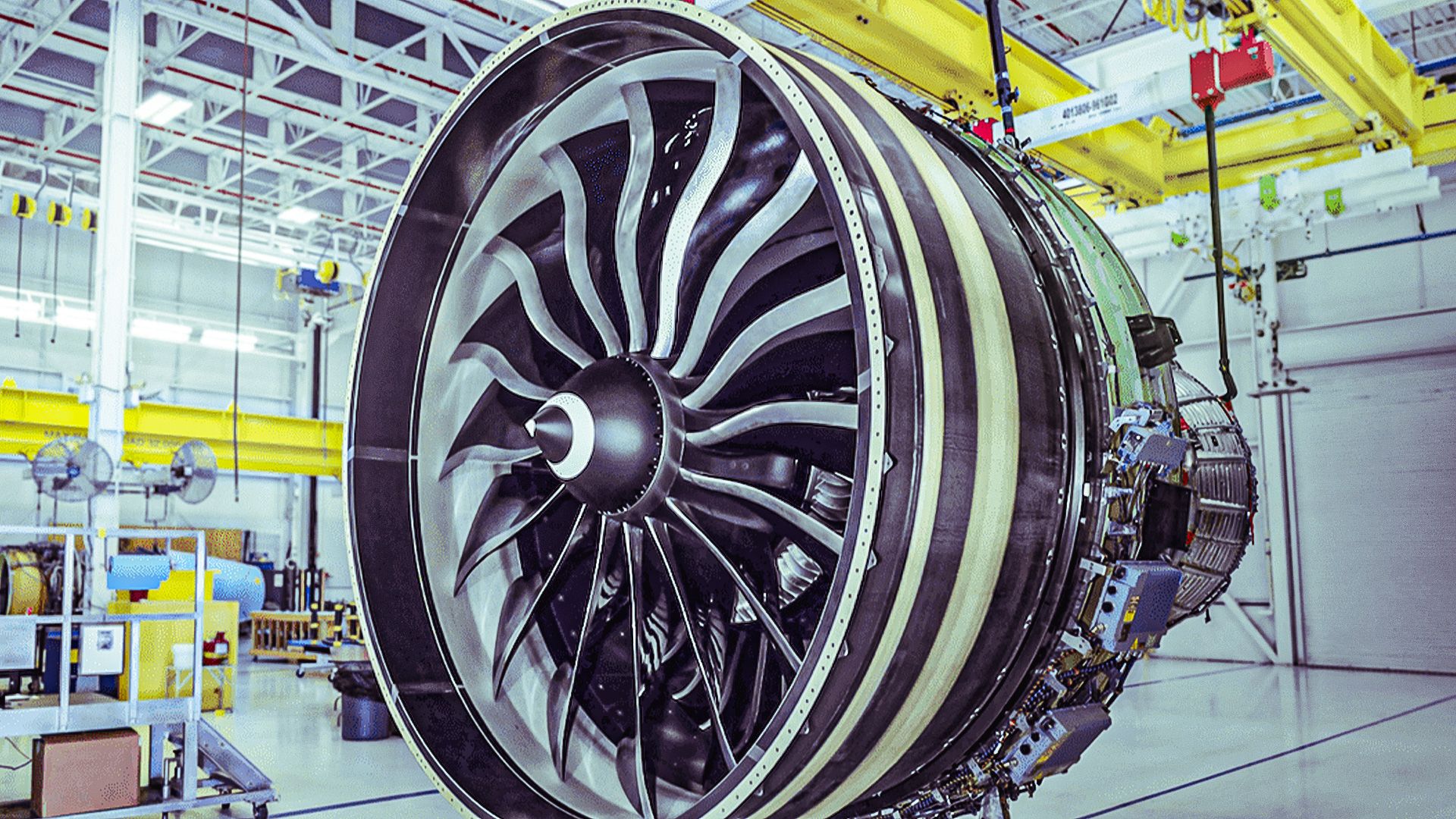
The evolution of aircraft engines over the decades has marked significant advancements in aviation technology. Since the introduction of the De Havilland Comet, the world’s first jet-powered airliner, aircraft engines have undergone remarkable growth in size and capability, particularly with the emergence of the Boeing 707 and Douglas DC-8 in the late 1950s.
Jet Age Revolutionized by Larger Aircraft
The late 1950s heralded a new era in commercial aviation, often referred to as the Jet Age. The Boeing 707 and Douglas DC-8 were pivotal in this transformation. These aircraft were not only larger than their predecessors but also boasted advanced technology and greater reliability. Their introduction helped popularize the concept of jetliners, which has since become the standard in commercial aviation.
Sales figures from this era underscore the magnitude of their impact. More than 500 DC-8s and over 1,000 Boeing 707s, including the shorter 720 variant, were sold. This surge in production established jet engines as the preferred method of propulsion for large aircraft, a status they maintain today.
Technological Advancements Drive Growth
The advancements in aircraft engine design have been significant since the Jet Age began. When the De Havilland Comet was first introduced, its engines were relatively small by today’s standards. The engines on the Boeing 707 and DC-8 were not only larger but also designed to be more efficient, offering airlines better performance and lower operating costs.
Modern aircraft engines have continued to evolve, with advancements such as high bypass turbofans that provide greater thrust while significantly improving fuel efficiency. Today’s engines are engineered to be quieter and more environmentally friendly, aligning with global efforts to reduce aviation’s carbon footprint.
This ongoing innovation in aircraft engines reflects the industry’s commitment to enhancing safety, efficiency, and sustainability. As airlines continue to invest in new technologies, the size and capabilities of aircraft engines will likely expand even further, shaping the future of air travel.
The journey from the De Havilland Comet to contemporary jet engines illustrates the profound changes in aviation technology. Each step has contributed to making air travel more accessible and efficient, providing passengers with a faster and safer means of transportation across the globe.

Meta Plans Major Layoffs as AI Costs Surge

Alberta’s Referendum Could Pave Way for U.S. Statehood

Minooka District 201 Plans Enhanced Bilingual Support for Students

Canmore Approves Multiple Development Permits for New Projects

Remembering Bradly Castillo Shearsmith: A Life of Friendship and Joy

BIS Urges Watchdogs to Integrate Synthetic Risk Transfers in Stress Tests

Teva Transforms: Shifting Focus from Generics to Branded Success

Apple Launches AirPods Max 2 with Enhanced Audio Features

Ontario Ends Funding for Seven Supervised Injection Sites

Toyoake City Proposes Daily Two-Hour Smartphone Use Limit

Pedestrian Fatally Injured in Esquimalt Collision on August 14

B.C. Review Reveals Urgent Need for Rare-Disease Drug Reforms

Dark Adventure Game “Bye Sweet Carole” Set for October Release

Konami Revives Iconic Metal Gear Solid Delta Ahead of Release

Jimmy Lai’s Defense Challenges Charges Under National Security Law

Victoria’s Pop-Up Shop Shines Light on B.C.’s Wolf Cull

Snapmaker U1 Color 3D Printer Redefines Speed and Sustainability

Apple Expands Self-Service Repair Program to Canada
-
 Science11 months ago
Toyoake City Proposes Daily Two-Hour Smartphone Use Limit
-
 Top Stories11 months ago
Pedestrian Fatally Injured in Esquimalt Collision on August 14
-
 Health11 months ago
B.C. Review Reveals Urgent Need for Rare-Disease Drug Reforms
-
 Technology11 months ago
Dark Adventure Game “Bye Sweet Carole” Set for October Release
-
 Technology11 months ago
Konami Revives Iconic Metal Gear Solid Delta Ahead of Release
-
 World11 months ago
Jimmy Lai’s Defense Challenges Charges Under National Security Law
-
 Lifestyle11 months ago
Victoria’s Pop-Up Shop Shines Light on B.C.’s Wolf Cull
-
 Technology11 months ago
Snapmaker U1 Color 3D Printer Redefines Speed and Sustainability
-
 Technology11 months ago
Apple Expands Self-Service Repair Program to Canada
-

 Technology11 months ago
AION Folding Knife: Redefining EDC Design with Premium Materials
-

 Technology11 months ago
Solve Today’s Wordle Challenge: Hints and Answer for August 19
-

 Business11 months ago
Gordon Murray Automotive Unveils S1 LM and Le Mans GTR at Monterey