
Business
China Sees First Decline in Coal and Gas Power Output in a Decade

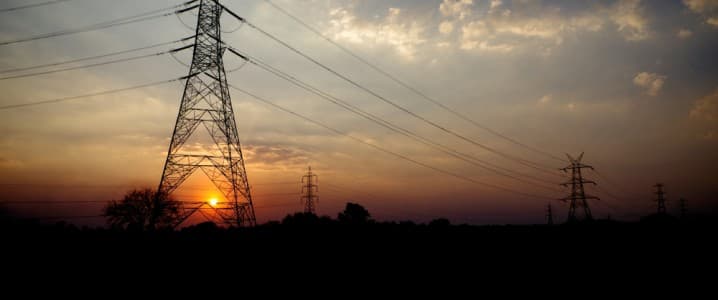
Power generation from coal and gas-fired plants in China fell for the first time in a decade, according to official data released today. The decrease, amounting to 1%, brought total output down to 6.29 trillion kWh in 2025. This shift is largely attributed to the growing influence of alternative energy sources, particularly wind and solar.
In December alone, the output from coal and gas plants dropped by a more significant 3.2%. Despite this decline, overall electricity consumption in China increased by 5% compared to the previous year, highlighting the importance of this trend amid rising demand.
Rise of Alternative Energy Sources
The decrease in coal and gas generation is notable not only for its magnitude but also for the context in which it occurred. Alongside the decline in fossil fuel output, China experienced a boost in hydropower generation, which rose by 2.8% over the full year and 4.1% in December. The combination of these factors indicates a shift in the energy landscape, with non-hydrocarbon sources gaining traction.
Forecasts suggest that the downward trend in coal and gas output is likely to continue into 2026 as China emphasizes the expansion of its alternative energy capacity. However, analysts caution that reliance on these renewable sources can be unpredictable, influenced significantly by weather conditions. This unpredictability may lead to fluctuating demand for baseload power from coal and gas facilities.
Recent Trends in Wind and Solar Power
The decline in coal and gas generation aligns with prior expectations voiced by analysts. In mid-December, Bloomberg reported on anticipated trends based on official generation data, noting the significant roles of wind and solar energy in this shift. In November, wind power output surged by 22%, while solar power output increased by 23% compared to the same month in the prior year.
Despite these impressive gains, fluctuations remain evident. Just a month earlier, in October, wind power output had decreased by 12%, and solar power growth was limited to 5.9%. This variability underscores the challenges faced by China’s energy sector as it transitions towards a more sustainable future.
The evolving energy dynamics in China reflect broader trends in the global energy market, where countries are increasingly prioritizing renewable sources. As the nation works towards its climate goals, the impact of this transition will continue to be closely monitored by analysts and industry stakeholders alike.

Meta Plans Major Layoffs as AI Costs Surge

Alberta’s Referendum Could Pave Way for U.S. Statehood

Minooka District 201 Plans Enhanced Bilingual Support for Students

Canmore Approves Multiple Development Permits for New Projects

Remembering Bradly Castillo Shearsmith: A Life of Friendship and Joy

BIS Urges Watchdogs to Integrate Synthetic Risk Transfers in Stress Tests

Teva Transforms: Shifting Focus from Generics to Branded Success

Apple Launches AirPods Max 2 with Enhanced Audio Features

Ontario Ends Funding for Seven Supervised Injection Sites

Toyoake City Proposes Daily Two-Hour Smartphone Use Limit

Pedestrian Fatally Injured in Esquimalt Collision on August 14

B.C. Review Reveals Urgent Need for Rare-Disease Drug Reforms

Dark Adventure Game “Bye Sweet Carole” Set for October Release

Konami Revives Iconic Metal Gear Solid Delta Ahead of Release

Jimmy Lai’s Defense Challenges Charges Under National Security Law

Victoria’s Pop-Up Shop Shines Light on B.C.’s Wolf Cull

Snapmaker U1 Color 3D Printer Redefines Speed and Sustainability

Apple Expands Self-Service Repair Program to Canada
-
 Science11 months ago
Toyoake City Proposes Daily Two-Hour Smartphone Use Limit
-
 Top Stories11 months ago
Pedestrian Fatally Injured in Esquimalt Collision on August 14
-
 Health11 months ago
B.C. Review Reveals Urgent Need for Rare-Disease Drug Reforms
-
 Technology11 months ago
Dark Adventure Game “Bye Sweet Carole” Set for October Release
-
 Technology11 months ago
Konami Revives Iconic Metal Gear Solid Delta Ahead of Release
-
 World11 months ago
Jimmy Lai’s Defense Challenges Charges Under National Security Law
-
 Lifestyle11 months ago
Victoria’s Pop-Up Shop Shines Light on B.C.’s Wolf Cull
-
 Technology11 months ago
Snapmaker U1 Color 3D Printer Redefines Speed and Sustainability
-
 Technology11 months ago
Apple Expands Self-Service Repair Program to Canada
-

 Technology11 months ago
AION Folding Knife: Redefining EDC Design with Premium Materials
-

 Technology11 months ago
Solve Today’s Wordle Challenge: Hints and Answer for August 19
-

 Business11 months ago
Gordon Murray Automotive Unveils S1 LM and Le Mans GTR at Monterey