
Science
Power Struggle Over NIH Leadership Intensifies Under New Administration

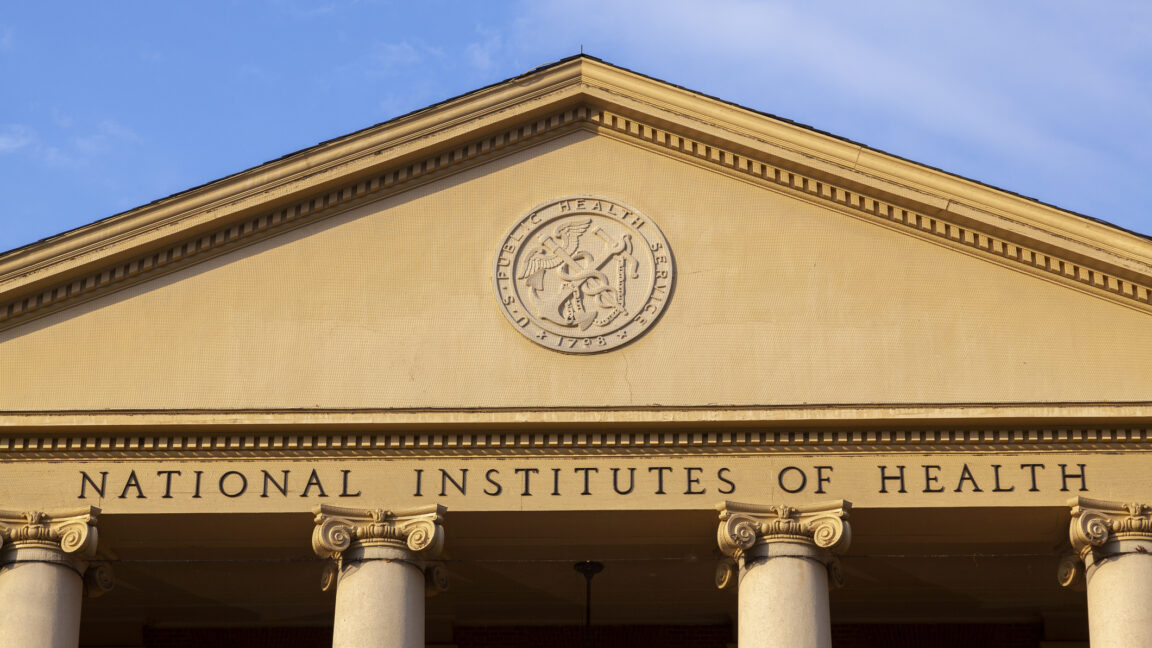
Recent changes in leadership at the National Institutes of Health (NIH) signal a potential shift in the agency’s governance, raising concerns over political influence in a historically bipartisan institution. Under the new administration of President Donald Trump, the NIH has seen an increase in political appointees, a move many believe could lead to a more politicized environment in the realm of biomedical research.
When a new presidential administration takes office, it is tasked with appointing approximately 4,000 positions across federal agencies. While high-profile roles like the Secretary of State are widely recognized, positions within scientific agencies such as the NIH often remain less visible. Historically, these roles have been less politicized, with scientists typically overseeing critical funding and research decisions. According to federal employment records, the NIH has maintained a relatively small number of political appointees, with around 17,500 employees as of November 2025.
Traditionally, the selection of leaders for the NIH’s 27 institutes and centers has involved staff scientists and external experts, minimizing direct involvement from the White House. This system allowed for more continuity and scientific integrity in the agency’s operations. However, recent developments suggest that this status quo may be under threat as the Trump administration implements changes to leadership roles and hiring practices.
Growing concerns emerged following the appointment of Jay Bhattacharya as NIH director shortly after the 2024 presidential election. Bhattacharya, known for his critical stance toward NIH policies, represents a significant shift in the agency’s management. Former officials, including Mike Lauer, who led NIH’s external grants program until early 2025, indicated that there were signs of increased political scrutiny over the agency’s direction even before Trump’s inauguration.
In a notable departure from past practices, five institute directors, including the head of the National Institute of Allergy and Infectious Diseases (NIAID), were dismissed or placed on administrative leave in the spring of 2025. This included Lawrence Tabak, who had served as principal deputy director and was interim leader during the COVID-19 pandemic. The rapid turnover sparked fears of politicization in the hiring processes, which have typically involved external scientific experts.
The administration’s approach to appointments has raised eyebrows, particularly in light of a report from the Heritage Foundation, titled Project 2025. This document advocated for reforms at the NIH, suggesting that funding for scientific research should not remain in the hands of a small group of career scientists.
As of late June 2025, the number of political appointees at the NIH increased to nine, up from four the previous year. Among these appointments is Seana Cranston, a former Republican staffer now serving as chief of staff to the NIH Director, replacing a long-time civil servant. The introduction of political figures into key roles has raised concerns that the agency may be shifting away from its scientific roots.
The hiring of key directors has also deviated from established norms. In October 2025, the directorship of the National Institute of Environmental Health Sciences was filled by a close associate of Vice President JD Vance, bypassing what many former officials deemed an unprecedented lack of a formal search process. As a result, 13 other institutes and centers within NIH currently have vacant leadership positions that are being filled under an expedited timeline, often without the traditional involvement of expert search committees.
Concerns regarding this new approach to hiring have prompted reactions from lawmakers. In a current appropriations bill, Congress has urged NIH to adhere to its historical practice of including external scientists in the selection process for leadership roles. Representative Diana DeGette has also introduced legislation aimed at capping the number of political appointees within the agency to safeguard against political interference.
The tension between political control and scientific integrity at the NIH reflects a broader struggle within federal agencies. Observers note that the dynamics of political influence can affect the agency’s long-term effectiveness, creating a potential for short-term decision-making that may undermine scientific progress. Political scientist Mark Richardson highlights how the degree of political control sought by administrations often correlates with the level of contention surrounding an agency’s role.
As the NIH navigates these changes, the implications for its research agenda and leadership structure remain uncertain. The current environment raises critical questions about the future of the agency, which has historically thrived on bipartisan support and scientific independence. The outcomes of ongoing leadership transitions and hiring practices will likely shape the NIH’s direction in the months and years to come.

Meta Plans Major Layoffs as AI Costs Surge

Alberta’s Referendum Could Pave Way for U.S. Statehood

Minooka District 201 Plans Enhanced Bilingual Support for Students

Canmore Approves Multiple Development Permits for New Projects

Remembering Bradly Castillo Shearsmith: A Life of Friendship and Joy

BIS Urges Watchdogs to Integrate Synthetic Risk Transfers in Stress Tests

Teva Transforms: Shifting Focus from Generics to Branded Success

Apple Launches AirPods Max 2 with Enhanced Audio Features

Ontario Ends Funding for Seven Supervised Injection Sites

Toyoake City Proposes Daily Two-Hour Smartphone Use Limit

Pedestrian Fatally Injured in Esquimalt Collision on August 14

B.C. Review Reveals Urgent Need for Rare-Disease Drug Reforms

Dark Adventure Game “Bye Sweet Carole” Set for October Release

Konami Revives Iconic Metal Gear Solid Delta Ahead of Release

Victoria’s Pop-Up Shop Shines Light on B.C.’s Wolf Cull

Jimmy Lai’s Defense Challenges Charges Under National Security Law

Snapmaker U1 Color 3D Printer Redefines Speed and Sustainability

Apple Expands Self-Service Repair Program to Canada
-
 Science11 months ago
Toyoake City Proposes Daily Two-Hour Smartphone Use Limit
-
 Top Stories11 months ago
Pedestrian Fatally Injured in Esquimalt Collision on August 14
-
 Health11 months ago
B.C. Review Reveals Urgent Need for Rare-Disease Drug Reforms
-
 Technology11 months ago
Dark Adventure Game “Bye Sweet Carole” Set for October Release
-
 Technology11 months ago
Konami Revives Iconic Metal Gear Solid Delta Ahead of Release
-
 Lifestyle11 months ago
Victoria’s Pop-Up Shop Shines Light on B.C.’s Wolf Cull
-
 World11 months ago
Jimmy Lai’s Defense Challenges Charges Under National Security Law
-
 Technology11 months ago
Snapmaker U1 Color 3D Printer Redefines Speed and Sustainability
-
 Technology11 months ago
Apple Expands Self-Service Repair Program to Canada
-

 Technology11 months ago
AION Folding Knife: Redefining EDC Design with Premium Materials
-

 Technology11 months ago
Solve Today’s Wordle Challenge: Hints and Answer for August 19
-

 Business11 months ago
Gordon Murray Automotive Unveils S1 LM and Le Mans GTR at Monterey