
Science
BC Cancer Trial Cuts Radiation Treatments by Over 90% Using AI

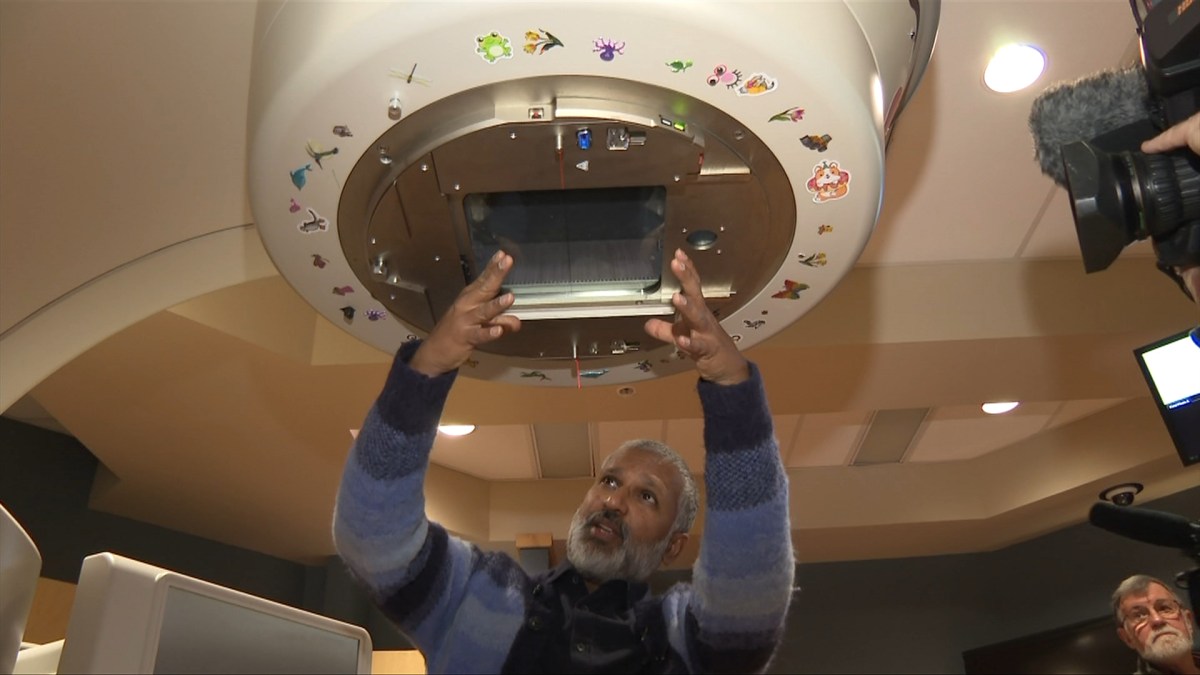
A clinical trial at BC Cancer Victoria is significantly reducing radiation treatments for prostate cancer patients, cutting the sessions by more than 90% using artificial intelligence (AI). This innovative approach offers new hope for patients who typically face numerous appointments for their treatment.
After receiving a prostate cancer diagnosis in January 2025, Mike Miles feared that his life would be consumed by radiation sessions. “The healthcare system is overwhelmed with old guys like me,” he remarked, expressing his concerns. Miles was classified as having intermediate-risk prostate cancer, a stage where the disease is considered treatable.
Traditionally, patients like Miles would undergo External Beam Radiation Therapy (EBRT), which often requires between 20 and 40 treatment sessions. However, Dr. Abe Alexander, a radiation oncologist at BC Cancer Victoria, explained the limitations of this method. The machines used can struggle to target the cancerous cells accurately, leading to a higher number of sessions than necessary.
In July 2025, a new clinical trial commenced that integrates Stereotactic Radiotherapy with AI technology. This combination allows for enhanced precision in targeting cancerous cells, reducing the number of required treatments to as few as five. “What Stereotactic Radiotherapy does is it uses advanced technology to aim the beams more accurately,” Dr. Alexander stated. “Instead of having someone come in for 20 to 40 radiation treatments, our standard right now is that they can come in for five radiation treatments.”
AI plays a critical role in this trial by minimizing the radiation exposure to nearby organs. During treatment, real-time measurements are provided to doctors, enabling them to make necessary adjustments. Dr. Alexander explained, “The hope is that it would reduce side effects in the long run.”
Miles is among the first patients to experience this new treatment protocol, having undergone only two sessions. His health has improved dramatically, with his prostate-specific antigen (PSA) levels dropping from a concerning 13 ng/ml to 1.3 ng/ml in just over a year. The Canadian Cancer Society indicates that a normal PSA level is around 4 ng/ml, with higher readings correlating to an increased risk of prostate cancer.
“The initial results are very, very favourable,” Miles noted, highlighting the positive impact of the trial on his health. Dr. Alexander emphasized the importance of improving patients’ quality of life, which can be negatively affected by frequent in-person treatment sessions. He aims to achieve a standard where patients require only two treatment sessions during the trial.
To assess the efficacy of the new approach, patients participating in the trial are randomly assigned to receive either two or five treatments. Dr. Alexander remarked, “So much of their time is spent coming into the cancer centre, making appointments, and that’s time they could be living life and doing other things. If there’s anything we can do to kind of reduce that burden, I think it’s vital to do that.”
Currently, around 15 to 20 patients are enrolled in the trial, with plans to expand participation to residents on the Mainland later this year. The goal is to include 100 patients and complete the trial within two years.
The developments at BC Cancer Victoria reflect a promising shift in prostate cancer treatment, showcasing how technology can reshape patient care and improve health outcomes.

Meta Plans Major Layoffs as AI Costs Surge

Alberta’s Referendum Could Pave Way for U.S. Statehood

Minooka District 201 Plans Enhanced Bilingual Support for Students

Canmore Approves Multiple Development Permits for New Projects

Remembering Bradly Castillo Shearsmith: A Life of Friendship and Joy

BIS Urges Watchdogs to Integrate Synthetic Risk Transfers in Stress Tests

Teva Transforms: Shifting Focus from Generics to Branded Success

Apple Launches AirPods Max 2 with Enhanced Audio Features

Ontario Ends Funding for Seven Supervised Injection Sites

Toyoake City Proposes Daily Two-Hour Smartphone Use Limit

Pedestrian Fatally Injured in Esquimalt Collision on August 14

B.C. Review Reveals Urgent Need for Rare-Disease Drug Reforms

Dark Adventure Game “Bye Sweet Carole” Set for October Release

Konami Revives Iconic Metal Gear Solid Delta Ahead of Release

Victoria’s Pop-Up Shop Shines Light on B.C.’s Wolf Cull

Jimmy Lai’s Defense Challenges Charges Under National Security Law

Snapmaker U1 Color 3D Printer Redefines Speed and Sustainability

Apple Expands Self-Service Repair Program to Canada
-
 Science11 months ago
Toyoake City Proposes Daily Two-Hour Smartphone Use Limit
-
 Top Stories11 months ago
Pedestrian Fatally Injured in Esquimalt Collision on August 14
-
 Health11 months ago
B.C. Review Reveals Urgent Need for Rare-Disease Drug Reforms
-
 Technology11 months ago
Dark Adventure Game “Bye Sweet Carole” Set for October Release
-
 Technology11 months ago
Konami Revives Iconic Metal Gear Solid Delta Ahead of Release
-
 Lifestyle11 months ago
Victoria’s Pop-Up Shop Shines Light on B.C.’s Wolf Cull
-
 World11 months ago
Jimmy Lai’s Defense Challenges Charges Under National Security Law
-
 Technology11 months ago
Snapmaker U1 Color 3D Printer Redefines Speed and Sustainability
-
 Technology11 months ago
Apple Expands Self-Service Repair Program to Canada
-

 Technology11 months ago
AION Folding Knife: Redefining EDC Design with Premium Materials
-

 Technology11 months ago
Solve Today’s Wordle Challenge: Hints and Answer for August 19
-

 Business11 months ago
Gordon Murray Automotive Unveils S1 LM and Le Mans GTR at Monterey