
World
Ottawa Hospital Cuts Ginger Ale from Menus, Sparks Patient Outcry

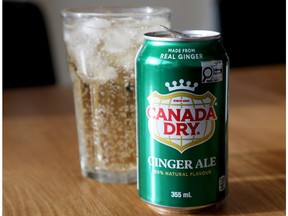
The decision by **The Ottawa Hospital** to remove ginger ale from its menus has sparked significant discontent among patients and healthcare workers. This change, implemented last fall, is part of the hospital’s initiative to serve only “health-promoting” food and beverage options. According to hospital spokesperson **Rebecca Abelson**, ginger ale was deemed to have limited nutritional value and high sugar content.
Patients often associate ginger ale with comfort, particularly during stressful hospital visits. Many view it as a nostalgic beverage, reminiscent of childhood remedies. One individual shared their sentiment on social media, stating that after waking up from surgery, the offer of ginger ale felt like a heavenly blessing.
Ginger Ale’s Cultural Significance
The removal of ginger ale coincides with its rising cultural relevance in **Ottawa**, particularly through its representation in the popular Canadian television series, *Heated Rivalry*. The show features ginger ale as the favourite drink of the main character, further embedding it in the local culture.
Historically, ginger ale has been a staple in hospitals across North America. It was once considered a medicinal tonic due to its ginger content, which is known for its anti-nausea properties. However, the modern versions of ginger ale, such as **Canada Dry**, have far less actual ginger. Following a 2019 class-action lawsuit in the United States, the brand had to remove claims of being “made from real ginger” due to misleading packaging; the amount of ginger extract was found to be minimal.
Family physician **Dr. Matthew Goldman** highlights the downsides of ginger ale. In a Cleveland Clinic article, he notes that most commercial ginger ales contain at least **10 teaspoons of sugar** and may not offer any genuine health benefits. He suggests alternatives like ginger tea for those experiencing nausea.
Comfort vs. Health in Hospital Food Choices
Despite the health concerns, many patients find comfort in ginger ale during challenging times. One commenter noted that it has become a common choice among patients receiving chemotherapy, stating, “It’s something small people can enjoy in their hardest times. This feels so unnecessary.”
Neurologist **Dr. Paul Wright** recently discussed the psychological aspects of this comfort. He explained that when patients drink ginger ale, their brains may release endorphins, contributing to a feeling of relief. The carbonation and sweetness can distract from feelings of nausea, providing a temporary boost in energy and well-being.
While the perceived benefits of ginger ale are notable, **The Ottawa Hospital** remains focused on its health initiatives. The organization is collaborating with local restaurateur **Steven Beckta** to revamp its food service model and reduce the presence of ultra-processed foods and added sugars. Abelson stated, “As we work toward our new food service model, we’re always reviewing our current food and beverage options.”
As hospital policies evolve, the debate over the removal of ginger ale highlights the ongoing tension between comfort and nutritional value in healthcare settings. While the hospital aims to promote healthier choices, the emotional and cultural significance of ginger ale for many patients remains a point of contention.

Meta Plans Major Layoffs as AI Costs Surge

Alberta’s Referendum Could Pave Way for U.S. Statehood

Minooka District 201 Plans Enhanced Bilingual Support for Students

Canmore Approves Multiple Development Permits for New Projects

Remembering Bradly Castillo Shearsmith: A Life of Friendship and Joy

BIS Urges Watchdogs to Integrate Synthetic Risk Transfers in Stress Tests

Teva Transforms: Shifting Focus from Generics to Branded Success

Apple Launches AirPods Max 2 with Enhanced Audio Features

Ontario Ends Funding for Seven Supervised Injection Sites

Toyoake City Proposes Daily Two-Hour Smartphone Use Limit

Pedestrian Fatally Injured in Esquimalt Collision on August 14

B.C. Review Reveals Urgent Need for Rare-Disease Drug Reforms

Dark Adventure Game “Bye Sweet Carole” Set for October Release

Konami Revives Iconic Metal Gear Solid Delta Ahead of Release

Jimmy Lai’s Defense Challenges Charges Under National Security Law

Victoria’s Pop-Up Shop Shines Light on B.C.’s Wolf Cull

Snapmaker U1 Color 3D Printer Redefines Speed and Sustainability

Apple Expands Self-Service Repair Program to Canada
-
 Science11 months ago
Toyoake City Proposes Daily Two-Hour Smartphone Use Limit
-
 Top Stories11 months ago
Pedestrian Fatally Injured in Esquimalt Collision on August 14
-
 Health11 months ago
B.C. Review Reveals Urgent Need for Rare-Disease Drug Reforms
-
 Technology11 months ago
Dark Adventure Game “Bye Sweet Carole” Set for October Release
-
 Technology11 months ago
Konami Revives Iconic Metal Gear Solid Delta Ahead of Release
-
 World11 months ago
Jimmy Lai’s Defense Challenges Charges Under National Security Law
-
 Lifestyle11 months ago
Victoria’s Pop-Up Shop Shines Light on B.C.’s Wolf Cull
-
 Technology11 months ago
Snapmaker U1 Color 3D Printer Redefines Speed and Sustainability
-
 Technology11 months ago
Apple Expands Self-Service Repair Program to Canada
-

 Technology11 months ago
AION Folding Knife: Redefining EDC Design with Premium Materials
-

 Technology11 months ago
Solve Today’s Wordle Challenge: Hints and Answer for August 19
-

 Business11 months ago
Gordon Murray Automotive Unveils S1 LM and Le Mans GTR at Monterey