
Science
U.S. Faces Challenges in Reducing China’s Grip on Critical Minerals

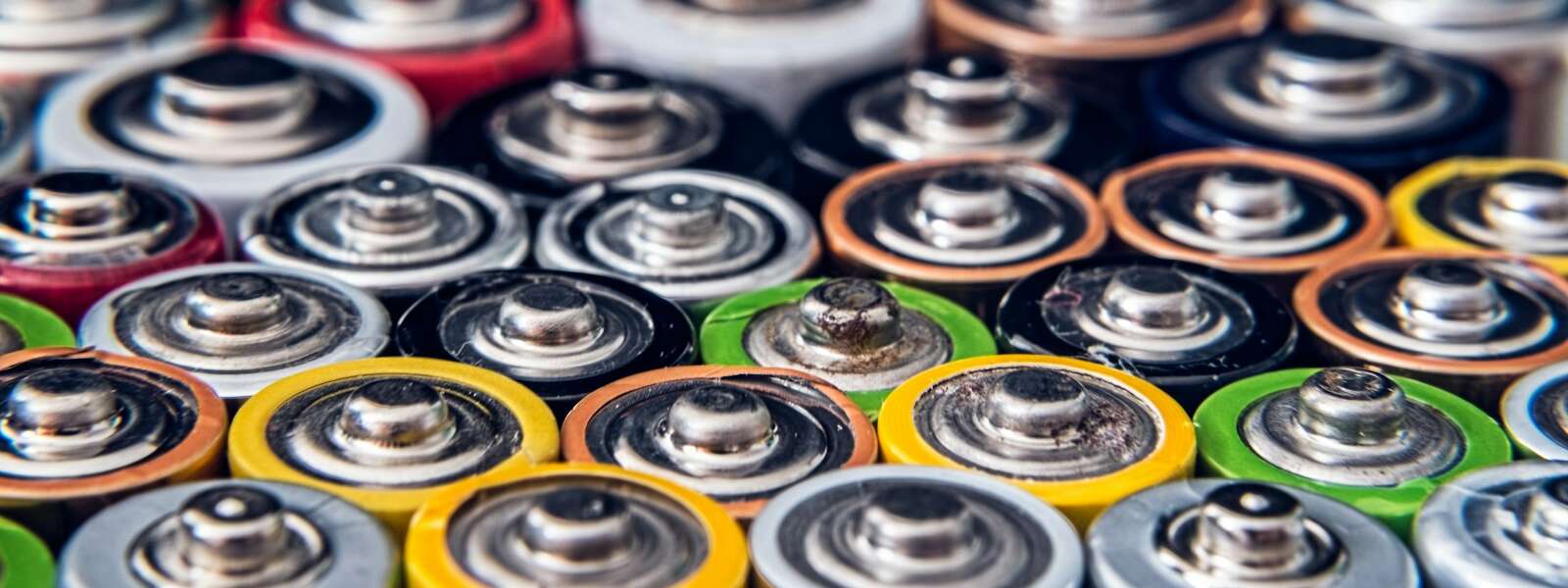
The recent critical minerals summit hosted by the United States highlighted the government’s intent to diminish China’s significant role in the production of essential materials like lithium-ion batteries and components for electric vehicles (EVs). This meeting brought together representatives from key nations including Argentina, Australia, Canada, and the European Union. Canadian Prime Minister Mark Carney described this gathering as part of a larger shift, which he termed a “rupture” to the established international order.
While the U.S. government has indicated a proactive approach through tariffs and trade policies, a closer examination reveals a more intricate reality. The International Energy Agency states that China dominates over 80 percent of global battery production, and this figure escalates to 90 percent for grid-scale batteries. Since 2020, global battery sales have surged sixfold, driven by falling prices and the competitiveness of China’s low-cost manufacturing model.
As the U.S. strives to reduce reliance on China, it faces the challenge of navigating a complex network of public and private investment agreements heavily linked to Chinese firms. Over the past year, the U.S. has intensified efforts to engage with South America, a region holding over 50 percent of the world’s known lithium reserves. In 2025, the U.S. government acquired a 5 percent stake in Lithium Americas, a firm with established operations in Argentina. Additionally, a 10 percent stake in USA Rare Earth was announced in February.
The U.S. has also leveraged financial tools like a US$20 billion bailout package to negotiate trade agreements with Argentina, while the Inter-American Development Bank pledged over US$140 million to bolster critical mineral production in Latin America. Yet, the prospect of severing China from these regional production networks raises essential questions about the viability of disrupting a system that currently produces 80-90 percent of the world’s lithium-ion batteries.
As the U.S. adopts an “America first” strategy aimed at onshoring production, China is simultaneously securing its position through joint ventures and partnerships. For instance, Ganfeng Lithium, a Chinese company, has expanded its foothold in Argentina over the past decade, recently entering into joint ventures with Lithium Americas in the salt flats of Pozuelos, Pastos Grandes, and Cauchari-Olaroz. Most of Ganfeng’s output is directed to battery and EV assembly hubs in China and Southeast Asia.
In Chile, the situation is similarly intricate. The left-wing government under President Gabriel Boric has implemented a National Lithium Strategy that restricts new licenses to state-owned companies. However, the recent electoral victory of right-wing politician José Antonio Kast raises uncertainty over the future of this nationalist policy. Questions also loom over Bolivia, where new right-wing leadership might challenge the state-led model of resource nationalism.
Chinese and Russian entities have established a strong presence in Bolivia, where the majority state-owned lithium company, YLB, signed a US$1 billion agreement with a Chinese consortium to develop the Uyuni salt flat. Despite this, Bolivia’s lithium production remains minimal due to challenges in extraction and profit distribution conflicts.
Looking forward, the rise of right-wing governments in Argentina, Bolivia, and Chile could theoretically favor U.S. interests. In Argentina, President Javier Milei has already cultivated strong ties with the U.S. administration. However, Chile’s dominance in the copper market and its complex relationship with China may hinder concessions to U.S. demands.
Significant uncertainties remain regarding whether American companies can effectively fill the gap left by China in the global lithium-ion battery market. For instance, Albemarle Corporation, a major U.S.-based lithium company, is publicly traded and owned by diverse investors, which may limit its alignment with U.S. foreign policy.
Outside South America, the global lithium landscape is largely influenced by American, Chinese, and Australian firms, such as Rio Tinto, which is consolidating operations in Argentina and Chile. Many of these entities maintain joint ventures with Chinese firms, complicating efforts to reduce China’s dominance in critical minerals.
Ultimately, for the U.S. to diminish China’s influence, it would require a robust supply chain capable of outcompeting China’s established networks. Given the current economic and geopolitical landscape, achieving this goal appears unlikely in the foreseeable future.

Meta Plans Major Layoffs as AI Costs Surge

Alberta’s Referendum Could Pave Way for U.S. Statehood

Minooka District 201 Plans Enhanced Bilingual Support for Students

Canmore Approves Multiple Development Permits for New Projects

Remembering Bradly Castillo Shearsmith: A Life of Friendship and Joy

BIS Urges Watchdogs to Integrate Synthetic Risk Transfers in Stress Tests

Teva Transforms: Shifting Focus from Generics to Branded Success

Apple Launches AirPods Max 2 with Enhanced Audio Features

Ontario Ends Funding for Seven Supervised Injection Sites

Toyoake City Proposes Daily Two-Hour Smartphone Use Limit

Pedestrian Fatally Injured in Esquimalt Collision on August 14

B.C. Review Reveals Urgent Need for Rare-Disease Drug Reforms

Dark Adventure Game “Bye Sweet Carole” Set for October Release

Konami Revives Iconic Metal Gear Solid Delta Ahead of Release

Victoria’s Pop-Up Shop Shines Light on B.C.’s Wolf Cull

Jimmy Lai’s Defense Challenges Charges Under National Security Law

Snapmaker U1 Color 3D Printer Redefines Speed and Sustainability

Apple Expands Self-Service Repair Program to Canada
-
 Science11 months ago
Toyoake City Proposes Daily Two-Hour Smartphone Use Limit
-
 Top Stories11 months ago
Pedestrian Fatally Injured in Esquimalt Collision on August 14
-
 Health11 months ago
B.C. Review Reveals Urgent Need for Rare-Disease Drug Reforms
-
 Technology11 months ago
Dark Adventure Game “Bye Sweet Carole” Set for October Release
-
 Technology11 months ago
Konami Revives Iconic Metal Gear Solid Delta Ahead of Release
-
 Lifestyle11 months ago
Victoria’s Pop-Up Shop Shines Light on B.C.’s Wolf Cull
-
 World11 months ago
Jimmy Lai’s Defense Challenges Charges Under National Security Law
-
 Technology11 months ago
Snapmaker U1 Color 3D Printer Redefines Speed and Sustainability
-
 Technology11 months ago
Apple Expands Self-Service Repair Program to Canada
-

 Technology11 months ago
AION Folding Knife: Redefining EDC Design with Premium Materials
-

 Technology11 months ago
Solve Today’s Wordle Challenge: Hints and Answer for August 19
-

 Business11 months ago
Gordon Murray Automotive Unveils S1 LM and Le Mans GTR at Monterey