
Lifestyle
Advocates Demand Improved Snow-Clearing for Visually Impaired in Toronto

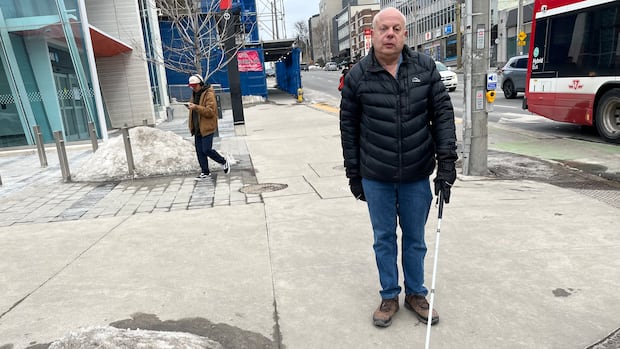
Snow-clearing efforts in Toronto have come under fire from advocates for the visually impaired, who claim that critical infrastructure remains inadequately maintained during winter storms. The Canadian National Institute for the Blind (CNIB) has raised concerns about the city’s failure to clear snow from “tactile pavers,” essential features that help individuals with visual impairments navigate safely between sidewalks and roadways.
Advocates hope the city will compile a list of hazardous intersections requiring better snow removal as winter approaches again. Suzanne Decary, vice president of programs at the CNIB, criticized the city’s performance this winter, stating that the tactile pavers were often neglected. “I would echo the sentiments of our clients, who say ‘it just feels like nobody cares,’” she told CBC Toronto. According to Decary, the CNIB’s SnoWay campaign will continue into next winter to push for improvements in snow-clearing practices.
Despite anecdotal reports from CNIB members that snow-covered tactile pavers made travel hazardous, city officials maintained that they had addressed the issue adequately. City spokesperson Hannah Stewart noted that there were only 14 calls to the 311 service line specifically requesting help with tactile pavers this winter, and there were no reported injuries due to snow-covered pavers. She emphasized that city crews prioritize major pedestrian walkways and that tactile walking surface indicators are included in the city’s mechanical sidewalk clearing program.
On February 22, 2023, a tactile paver located at the intersection of Dundas Street and Augusta Avenue was reportedly buried under snow and ice, rendering it ineffective for those needing assistance. The situation has raised concerns among advocates who argue that the city must do more to ensure safe navigation for visually impaired residents.
Calls for Action and Improved Monitoring
David Lepofsky, a prominent advocate for disability rights, shared his own experiences with the city’s snow-clearing efforts. He described how snow accumulation often obscured the surfaces that visually impaired individuals rely on to detect safe passage. The modifications made to curbs at many intersections, intended to facilitate wheelchair access, have complicated the ability for blind individuals to identify where sidewalks end and traffic begins. Lepofsky emphasized that tactile pavers are “absolutely vital,” allowing individuals to distinguish between different surfaces.
Lepofsky suggested that city staff actively survey neighborhoods during warmer periods to identify intersections that require special attention after storms. He believes that by documenting these trouble spots, snow-clearing crews can better prioritize their efforts in the future. In response, Stewart confirmed that city staff would review the winter maintenance program’s performance, as is customary at the end of each season. “This includes assessing hotspot areas and identifying areas for improvement,” she noted. Decisions regarding service changes for the upcoming winter will be made following this assessment.
As Toronto continues to grapple with the aftermath of record snowfall, which left many residents struggling to navigate sidewalks, the need for an effective and responsive snow-clearing strategy remains critical. Advocates hope that increased awareness and collaboration between city officials and disability organizations will lead to tangible improvements in the future.

Meta Plans Major Layoffs as AI Costs Surge

Alberta’s Referendum Could Pave Way for U.S. Statehood

Minooka District 201 Plans Enhanced Bilingual Support for Students

Canmore Approves Multiple Development Permits for New Projects

Remembering Bradly Castillo Shearsmith: A Life of Friendship and Joy

BIS Urges Watchdogs to Integrate Synthetic Risk Transfers in Stress Tests

Teva Transforms: Shifting Focus from Generics to Branded Success

Apple Launches AirPods Max 2 with Enhanced Audio Features

Ontario Ends Funding for Seven Supervised Injection Sites

Toyoake City Proposes Daily Two-Hour Smartphone Use Limit

Pedestrian Fatally Injured in Esquimalt Collision on August 14

B.C. Review Reveals Urgent Need for Rare-Disease Drug Reforms

Dark Adventure Game “Bye Sweet Carole” Set for October Release

Konami Revives Iconic Metal Gear Solid Delta Ahead of Release

Jimmy Lai’s Defense Challenges Charges Under National Security Law

Victoria’s Pop-Up Shop Shines Light on B.C.’s Wolf Cull

Snapmaker U1 Color 3D Printer Redefines Speed and Sustainability

Apple Expands Self-Service Repair Program to Canada
-
 Science11 months ago
Toyoake City Proposes Daily Two-Hour Smartphone Use Limit
-
 Top Stories11 months ago
Pedestrian Fatally Injured in Esquimalt Collision on August 14
-
 Health11 months ago
B.C. Review Reveals Urgent Need for Rare-Disease Drug Reforms
-
 Technology11 months ago
Dark Adventure Game “Bye Sweet Carole” Set for October Release
-
 Technology11 months ago
Konami Revives Iconic Metal Gear Solid Delta Ahead of Release
-
 World11 months ago
Jimmy Lai’s Defense Challenges Charges Under National Security Law
-
 Lifestyle11 months ago
Victoria’s Pop-Up Shop Shines Light on B.C.’s Wolf Cull
-
 Technology11 months ago
Snapmaker U1 Color 3D Printer Redefines Speed and Sustainability
-
 Technology11 months ago
Apple Expands Self-Service Repair Program to Canada
-

 Technology11 months ago
AION Folding Knife: Redefining EDC Design with Premium Materials
-

 Technology11 months ago
Solve Today’s Wordle Challenge: Hints and Answer for August 19
-

 Business11 months ago
Gordon Murray Automotive Unveils S1 LM and Le Mans GTR at Monterey