
World
NBA Players Embrace Luxury with Private Jets for Travel

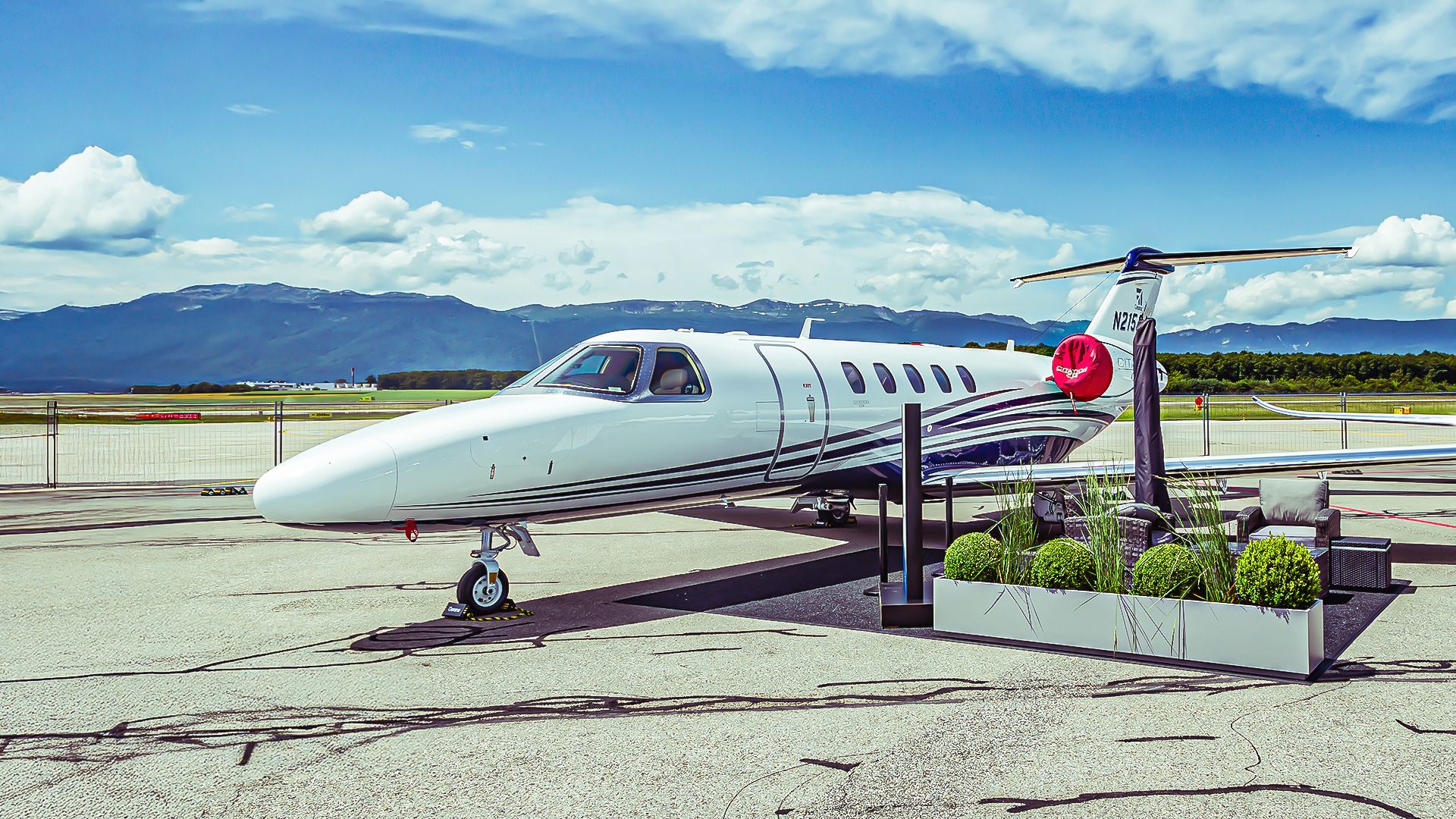
The National Basketball Association (NBA), recognized as the leading basketball league globally, showcases its players not only as athletic stars but also as symbols of wealth and luxury. Many of these elite athletes have chosen to travel in private jets, reflecting their financial success and the high-profile nature of their careers.
The NBA stands as the second-largest sports league in the United States, following the National Football League (NFL). Although the NFL attracts a larger audience, NBA players have carved out a significant place in American pop culture. Their influence extends beyond the court, making them household names across various demographics.
The wealth of NBA players is remarkable. Many have multi-million dollar contracts, endorsements, and personal business ventures that contribute to their substantial net worth. For instance, according to a report by Forbes, the average NBA player earns approximately $8.5 million annually, with superstars earning significantly more. The highest-paid players can make upwards of $40 million in a single season, not including endorsements.
Luxury Travel as a Status Symbol
Private jets symbolize the pinnacle of luxury and convenience, allowing players to travel quickly and comfortably between games and appearances. This mode of travel is not merely a convenience but also a statement of status within the competitive landscape of professional sports.
While the specifics of private jet ownership among NBA players are not publicly disclosed, several notable figures are known for their extravagant travel arrangements. LeBron James, a four-time NBA champion, is often associated with luxury travel and has been seen using private jets to minimize travel time and maximize time spent with family and friends.
Moreover, players such as Kevin Durant and Stephen Curry have also embraced private aviation, utilizing these aircraft for both professional obligations and personal leisure. This trend is indicative of a broader cultural shift within the sports industry, where success is often measured by personal wealth and lifestyle choices.
The Financial Implications of Private Jet Ownership
Owning a private jet comes with significant financial obligations, including maintenance costs, fuel, and insurance. Estimates suggest that the annual cost of owning and operating a private jet can exceed $1 million. As such, only a select group of players can afford this luxury consistently.
In addition, the tax implications associated with private jet ownership can be complex. Many athletes consult financial advisors to navigate these challenges effectively. The use of private jets can also provide tax benefits, as travel related to business activities may be deductible.
The trend of utilizing private jets among NBA players highlights the intersection of sports, wealth, and lifestyle. It serves as a reminder of the financial rewards that come with success in professional basketball, while also raising questions about the broader implications of wealth and privilege in sports culture.
As the NBA continues to flourish, the visibility of its stars remains high, and their choices in personal travel reflect their status not just as athletes, but as influential figures in society. The embrace of private jets among these players is a testament to their achievements and the lifestyle that accompanies success at the highest levels of professional sports.

Meta Plans Major Layoffs as AI Costs Surge

Alberta’s Referendum Could Pave Way for U.S. Statehood

Minooka District 201 Plans Enhanced Bilingual Support for Students

Canmore Approves Multiple Development Permits for New Projects

Remembering Bradly Castillo Shearsmith: A Life of Friendship and Joy

BIS Urges Watchdogs to Integrate Synthetic Risk Transfers in Stress Tests

Teva Transforms: Shifting Focus from Generics to Branded Success

Apple Launches AirPods Max 2 with Enhanced Audio Features

Ontario Ends Funding for Seven Supervised Injection Sites

Toyoake City Proposes Daily Two-Hour Smartphone Use Limit

Pedestrian Fatally Injured in Esquimalt Collision on August 14

B.C. Review Reveals Urgent Need for Rare-Disease Drug Reforms

Dark Adventure Game “Bye Sweet Carole” Set for October Release

Konami Revives Iconic Metal Gear Solid Delta Ahead of Release

Victoria’s Pop-Up Shop Shines Light on B.C.’s Wolf Cull

Jimmy Lai’s Defense Challenges Charges Under National Security Law

Snapmaker U1 Color 3D Printer Redefines Speed and Sustainability

Apple Expands Self-Service Repair Program to Canada
-
 Science11 months ago
Toyoake City Proposes Daily Two-Hour Smartphone Use Limit
-
 Top Stories11 months ago
Pedestrian Fatally Injured in Esquimalt Collision on August 14
-
 Health11 months ago
B.C. Review Reveals Urgent Need for Rare-Disease Drug Reforms
-
 Technology11 months ago
Dark Adventure Game “Bye Sweet Carole” Set for October Release
-
 Technology11 months ago
Konami Revives Iconic Metal Gear Solid Delta Ahead of Release
-
 Lifestyle11 months ago
Victoria’s Pop-Up Shop Shines Light on B.C.’s Wolf Cull
-
 World11 months ago
Jimmy Lai’s Defense Challenges Charges Under National Security Law
-
 Technology11 months ago
Snapmaker U1 Color 3D Printer Redefines Speed and Sustainability
-
 Technology11 months ago
Apple Expands Self-Service Repair Program to Canada
-

 Technology11 months ago
AION Folding Knife: Redefining EDC Design with Premium Materials
-

 Technology11 months ago
Solve Today’s Wordle Challenge: Hints and Answer for August 19
-

 Business11 months ago
Gordon Murray Automotive Unveils S1 LM and Le Mans GTR at Monterey