
Business
Energy Forecasts Indicate Sluggish Oil Prices, Rising Gas Costs

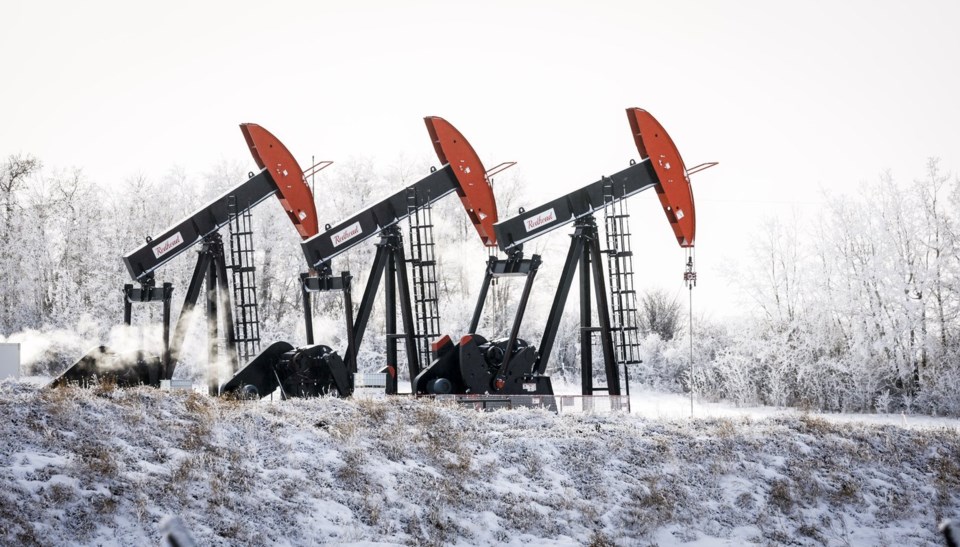
A recent analysis of energy market trends reveals that crude oil prices are expected to remain subdued through 2026, while natural gas prices are projected to rise as Canadian exports to Asia increase. This assessment, released on March 14, 2024, underscores the contrasting dynamics in the oil and gas sectors.
According to forecasts from the International Energy Agency (IEA) and Canadian Natural Resources Limited, the global oil market is currently grappling with an oversupply. This oversupply has led to a persistent decline in crude prices, which are unlikely to recover significantly in the near term. Experts indicate that this trend could continue well into 2026, affecting producers and economies reliant on oil revenues.
The IEA’s report highlights that the demand for crude oil has not kept pace with production levels. Global economic uncertainties, coupled with increasing energy efficiency measures, have contributed to this imbalance. As a result, crude oil prices are expected to hover around $60 per barrel through the end of this year, a notable decrease from previous years.
In contrast, the outlook for natural gas is more optimistic. The same reports indicate that prices for natural gas in Alberta are set to rise, primarily driven by increased shipments to Asia. The growing demand for liquefied natural gas (LNG) in markets such as Japan and South Korea is propelling Canadian exports, which are anticipated to reach record levels. The surge in shipments is expected to push Alberta gas prices above $4 per gigajoule by 2026.
The shift in the natural gas market is attributed to several factors, including the need for cleaner energy sources and the gradual transition away from coal in many countries. Canadian producers are poised to benefit from this transition, capitalizing on the growing appetite for LNG in Asia.
As Alberta navigates these changing market conditions, industry stakeholders are keeping a close watch on both oil and gas price forecasts. The differing trajectories of these two energy commodities will have significant implications for the province’s economy and its energy sector’s future.
In conclusion, while crude oil prices are expected to remain under pressure due to global oversupply, Alberta’s natural gas market looks to thrive as international demand increases. The next few years will be crucial for the province’s energy landscape as it adapts to these evolving trends.

Meta Plans Major Layoffs as AI Costs Surge

Alberta’s Referendum Could Pave Way for U.S. Statehood

Minooka District 201 Plans Enhanced Bilingual Support for Students

Canmore Approves Multiple Development Permits for New Projects

Remembering Bradly Castillo Shearsmith: A Life of Friendship and Joy

BIS Urges Watchdogs to Integrate Synthetic Risk Transfers in Stress Tests

Teva Transforms: Shifting Focus from Generics to Branded Success

Apple Launches AirPods Max 2 with Enhanced Audio Features

Ontario Ends Funding for Seven Supervised Injection Sites

Toyoake City Proposes Daily Two-Hour Smartphone Use Limit

Pedestrian Fatally Injured in Esquimalt Collision on August 14

B.C. Review Reveals Urgent Need for Rare-Disease Drug Reforms

Dark Adventure Game “Bye Sweet Carole” Set for October Release

Konami Revives Iconic Metal Gear Solid Delta Ahead of Release

Victoria’s Pop-Up Shop Shines Light on B.C.’s Wolf Cull

Jimmy Lai’s Defense Challenges Charges Under National Security Law

Snapmaker U1 Color 3D Printer Redefines Speed and Sustainability

Apple Expands Self-Service Repair Program to Canada
-
 Science12 months ago
Toyoake City Proposes Daily Two-Hour Smartphone Use Limit
-
 Top Stories12 months ago
Pedestrian Fatally Injured in Esquimalt Collision on August 14
-
 Health12 months ago
B.C. Review Reveals Urgent Need for Rare-Disease Drug Reforms
-
 Technology12 months ago
Dark Adventure Game “Bye Sweet Carole” Set for October Release
-
 Technology12 months ago
Konami Revives Iconic Metal Gear Solid Delta Ahead of Release
-
 Lifestyle12 months ago
Victoria’s Pop-Up Shop Shines Light on B.C.’s Wolf Cull
-
 World12 months ago
Jimmy Lai’s Defense Challenges Charges Under National Security Law
-
 Technology12 months ago
Snapmaker U1 Color 3D Printer Redefines Speed and Sustainability
-
 Technology12 months ago
Apple Expands Self-Service Repair Program to Canada
-

 Technology12 months ago
AION Folding Knife: Redefining EDC Design with Premium Materials
-

 Technology12 months ago
Solve Today’s Wordle Challenge: Hints and Answer for August 19
-

 Business12 months ago
Gordon Murray Automotive Unveils S1 LM and Le Mans GTR at Monterey