
Business
Japan Advances Nuclear Energy Plans Amid Public Concern Post-Fukushima

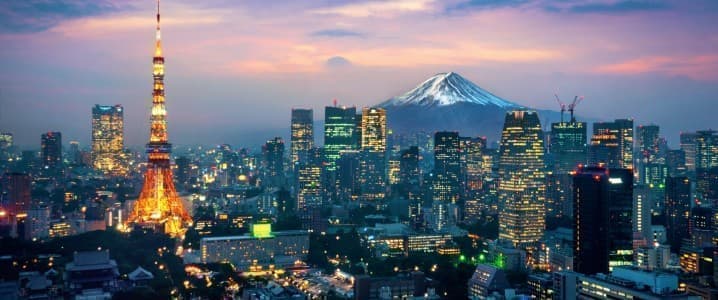
Japan is preparing to reintegrate nuclear energy into its power strategy, despite lingering concerns from the public following the catastrophic Fukushima Daiichi disaster in 2011. The government aims to restart several nuclear reactors, including the world’s largest facility, the Kashiwazaki-Kariwa plant, as part of its broader energy policy that also emphasizes the development of renewable energy sources.
The Fukushima Daiichi accident, which occurred on March 11, 2011, remains a pivotal moment in Japan’s nuclear history. A magnitude-9.0 earthquake triggered a tsunami that severely damaged backup generators at the plant, leading to a loss of power and subsequent reactor meltdowns. This disaster resulted in the release of radiation and the evacuation of tens of thousands of residents within a 30-kilometer radius, instilling a deep-seated distrust of nuclear power among the Japanese populace.
In a significant policy shift, Japan’s Ministry of Economy, Trade and Industry published a revised national energy plan in February 2025. This document removed previous statements advocating for a reduction in nuclear energy reliance, instead targeting a goal of generating 20 percent of the nation’s electricity from nuclear sources by 2040. Prior to the 2011 disaster, Japan operated 54 reactors that accounted for approximately 30 percent of its electricity supply. Currently, only 14 of the 33 operable reactors are generating power, as public opposition has delayed efforts to restart others.
The Kashiwazaki-Kariwa plant, located in Niigata prefecture, approximately 220 kilometers northwest of Tokyo, has been a focal point in Japan’s nuclear energy discussions. Despite being developed in 2012, the facility has yet to become operational due to safety concerns stemming from the Fukushima incident. Operated by Tokyo Electric Power (Tepco), the plant has plans to restart one of its seven reactors, known as Reactor No. 6, which is expected to increase Tokyo’s electricity supply by around 2 percent.
Despite this progress, many residents near the plant remain apprehensive about the potential risks. Concerns persist regarding another disaster comparable to Fukushima, which could necessitate the evacuation of up to 420,000 people within the vicinity of the facility. Tepco has stated it has implemented numerous safety measures, including the construction of seawalls, watertight doors, and the installation of mobile diesel-powered generators and fire engines to respond to emergencies.
Moreover, recent scandals involving data fabrication have further eroded public trust in Japan’s nuclear industry. Chubu Electric Power, another utility company, was found to have falsified seismic risk data during a regulatory review for the potential restart of its Hamaoka plant, which is situated in a region prone to significant earthquakes. In response, the Nuclear Regulation Authority (NRA) halted safety screenings at the Hamaoka plant and is considering an inspection of Chubu’s headquarters.
Globally, nuclear power is often regarded as one of the safest forms of energy production. Nevertheless, Japan’s government faces an uphill battle in convincing the public of its safety. As it plans to gradually restart several reactors and expand its nuclear capacity, skepticism remains high, particularly in light of the country’s recent history with nuclear energy.
The future of Japan’s energy landscape will largely depend on how effectively the government can address safety concerns while balancing the need for a stable and sustainable energy supply. With ambitious targets set, the coming years will be crucial in determining the role of nuclear power in Japan’s energy portfolio.

Meta Plans Major Layoffs as AI Costs Surge

Alberta’s Referendum Could Pave Way for U.S. Statehood

Minooka District 201 Plans Enhanced Bilingual Support for Students

Canmore Approves Multiple Development Permits for New Projects

Remembering Bradly Castillo Shearsmith: A Life of Friendship and Joy

BIS Urges Watchdogs to Integrate Synthetic Risk Transfers in Stress Tests

Teva Transforms: Shifting Focus from Generics to Branded Success

Apple Launches AirPods Max 2 with Enhanced Audio Features

Ontario Ends Funding for Seven Supervised Injection Sites

Toyoake City Proposes Daily Two-Hour Smartphone Use Limit

Pedestrian Fatally Injured in Esquimalt Collision on August 14

B.C. Review Reveals Urgent Need for Rare-Disease Drug Reforms

Dark Adventure Game “Bye Sweet Carole” Set for October Release

Konami Revives Iconic Metal Gear Solid Delta Ahead of Release

Victoria’s Pop-Up Shop Shines Light on B.C.’s Wolf Cull

Jimmy Lai’s Defense Challenges Charges Under National Security Law

Snapmaker U1 Color 3D Printer Redefines Speed and Sustainability

Apple Expands Self-Service Repair Program to Canada
-
 Science12 months ago
Toyoake City Proposes Daily Two-Hour Smartphone Use Limit
-
 Top Stories12 months ago
Pedestrian Fatally Injured in Esquimalt Collision on August 14
-
 Health12 months ago
B.C. Review Reveals Urgent Need for Rare-Disease Drug Reforms
-
 Technology12 months ago
Dark Adventure Game “Bye Sweet Carole” Set for October Release
-
 Technology12 months ago
Konami Revives Iconic Metal Gear Solid Delta Ahead of Release
-
 Lifestyle12 months ago
Victoria’s Pop-Up Shop Shines Light on B.C.’s Wolf Cull
-
 World12 months ago
Jimmy Lai’s Defense Challenges Charges Under National Security Law
-
 Technology12 months ago
Snapmaker U1 Color 3D Printer Redefines Speed and Sustainability
-
 Technology12 months ago
Apple Expands Self-Service Repair Program to Canada
-

 Technology12 months ago
AION Folding Knife: Redefining EDC Design with Premium Materials
-

 Technology12 months ago
Solve Today’s Wordle Challenge: Hints and Answer for August 19
-

 Business12 months ago
Gordon Murray Automotive Unveils S1 LM and Le Mans GTR at Monterey