
Business
Last Toys ‘R’ Us in British Columbia Closes Amid Financial Struggles

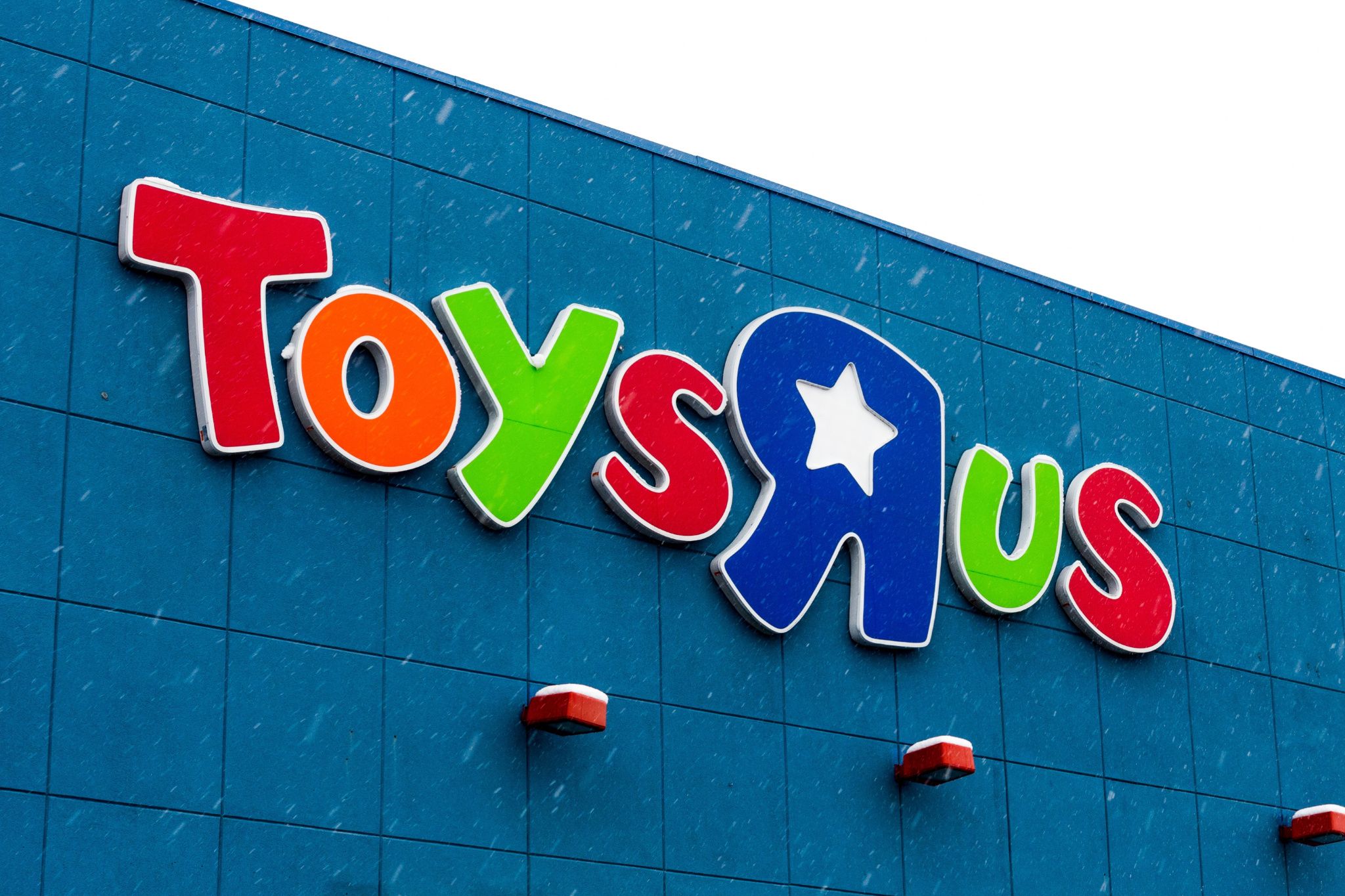
The final chapter for Toys ‘R’ Us in British Columbia has unfolded, with the last store closing its doors on January 13, 2024. Located in the Willowbrook Shopping Centre in Langley Township, the closure was attributed to significant financial difficulties, specifically an unpaid debt of over $98,000 in rent, fees, and interest owed to the landlord. A notice detailing the closure was posted at the store, marking a poignant end to the toy retailer’s presence in the province.
According to Surrey Now-Leader, the management company for the retail space, QuadReal, confirmed the closure but declined to provide additional details. Attempts to reach Toys ‘R’ Us for comments prior to publication were unsuccessful. This closing follows a series of closures across Metro Vancouver, including three other locations at Metrotown, Landsdowne Centre, and West Broadway, contributing to a broader trend of diminishing toy retail spaces across Canada.
The decline of Toys ‘R’ Us reflects a shift in consumer behavior and market dynamics. David Ian Gray, a retail consultant and business instructor at Capilano University, highlighted factors such as the increasing popularity of online gaming among children, direct-to-consumer sales by brands, shrinking consumer spending, and a rise in second-hand toy purchases. He noted that Toys ‘R’ Us failed to adapt to modern retail trends, unlike other legacy stores such as Hudson’s Bay.
Gray explained that the rise of retail “category killers” in the 1990s, like Toys ‘R’ Us, marked a significant shift in consumer shopping habits. These stores specialized in one category, offering a wide selection that outperformed traditional department stores, which struggled to compete. For example, Best Buy dominated electronics, while Home Depot became synonymous with hardware. Toys ‘R’ Us capitalized on the toy market, providing a comprehensive selection at competitive prices.
As online shopping began to take off, Toys ‘R’ Us was slow to respond. While they launched e-commerce in the early 2000s, they chose to outsource fulfillment tasks to Amazon, inadvertently enabling the online giant to become a significant competitor in the toy market. Meanwhile, traditional department stores began to decline, and retailers like Walmart Canada expanded their toy offerings, further encroaching on Toys ‘R’ Us’s market share.
Despite the U.S. parent company’s bankruptcy filing in 2017, which led to widespread store closures, Canadian executives managed to secure private equity to keep their stores operational. However, Gray emphasized that this approach did not address the underlying issues facing the retailer. Instead of implementing effective changes, they merely reopened stores, postponing the inevitable decline.
The closure of the last Toys ‘R’ Us in British Columbia serves as a stark reminder of the challenges legacy retailers face in an evolving marketplace. As consumer preferences continue to shift towards digital platforms and alternative shopping methods, the toy retailer’s story underscores the importance of adaptation in a competitive retail landscape.

Meta Plans Major Layoffs as AI Costs Surge

Alberta’s Referendum Could Pave Way for U.S. Statehood

Minooka District 201 Plans Enhanced Bilingual Support for Students

Canmore Approves Multiple Development Permits for New Projects

Remembering Bradly Castillo Shearsmith: A Life of Friendship and Joy

BIS Urges Watchdogs to Integrate Synthetic Risk Transfers in Stress Tests

Teva Transforms: Shifting Focus from Generics to Branded Success

Apple Launches AirPods Max 2 with Enhanced Audio Features

Ontario Ends Funding for Seven Supervised Injection Sites

Toyoake City Proposes Daily Two-Hour Smartphone Use Limit

Pedestrian Fatally Injured in Esquimalt Collision on August 14

B.C. Review Reveals Urgent Need for Rare-Disease Drug Reforms

Dark Adventure Game “Bye Sweet Carole” Set for October Release

Konami Revives Iconic Metal Gear Solid Delta Ahead of Release

Victoria’s Pop-Up Shop Shines Light on B.C.’s Wolf Cull

Jimmy Lai’s Defense Challenges Charges Under National Security Law

Snapmaker U1 Color 3D Printer Redefines Speed and Sustainability

Apple Expands Self-Service Repair Program to Canada
-
 Science12 months ago
Toyoake City Proposes Daily Two-Hour Smartphone Use Limit
-
 Top Stories12 months ago
Pedestrian Fatally Injured in Esquimalt Collision on August 14
-
 Health12 months ago
B.C. Review Reveals Urgent Need for Rare-Disease Drug Reforms
-
 Technology12 months ago
Dark Adventure Game “Bye Sweet Carole” Set for October Release
-
 Technology12 months ago
Konami Revives Iconic Metal Gear Solid Delta Ahead of Release
-
 Lifestyle12 months ago
Victoria’s Pop-Up Shop Shines Light on B.C.’s Wolf Cull
-
 World12 months ago
Jimmy Lai’s Defense Challenges Charges Under National Security Law
-
 Technology12 months ago
Snapmaker U1 Color 3D Printer Redefines Speed and Sustainability
-
 Technology12 months ago
Apple Expands Self-Service Repair Program to Canada
-

 Technology12 months ago
AION Folding Knife: Redefining EDC Design with Premium Materials
-

 Technology12 months ago
Solve Today’s Wordle Challenge: Hints and Answer for August 19
-

 Business12 months ago
Gordon Murray Automotive Unveils S1 LM and Le Mans GTR at Monterey