
Business
Quebec Grocery Prices Set to Rise Nearly $1,000 in 2026

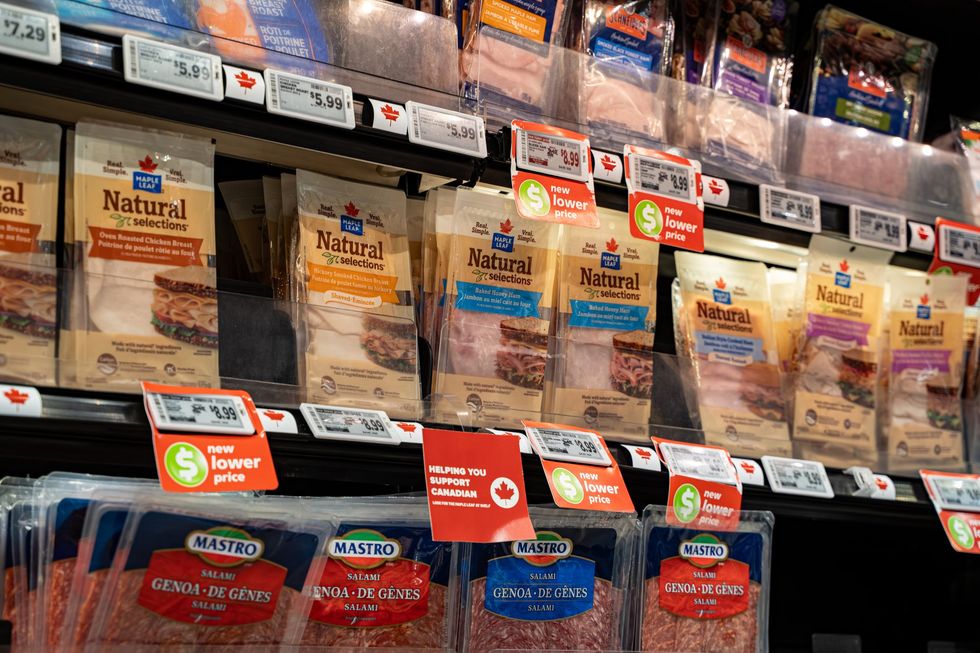
Quebecers can expect a significant increase in grocery prices in 2026, with predictions suggesting a rise of between 4% and 6% across Canada. According to the Canada’s Food Price Report 2026 from Dalhousie University, the average family of four will see their annual grocery bill jump from $16,577 in 2025 to $17,572 in 2026, amounting to nearly $1,000 more for basic food items.
The report, released on a Thursday morning, indicates that while general inflation appears to be stabilizing, food costs remain on the rise. In particular, Quebec may experience food price increases that exceed the national average, despite having seen below-average hikes in 2025.
Key Food Categories Facing Price Increases
Certain grocery items are projected to experience steeper price hikes than others. Notably, meat prices are forecasted to surge between 5% and 7%. Vegetables are expected to rise by 3% to 5%, while restaurant meals will also become 4% to 6% more expensive. Dairy products, eggs, and bakery items are predicted to increase by 2% to 4%. In contrast, fruit prices are likely to remain relatively stable with an increase of only 1% to 3%.
The rising cost of poultry, particularly chicken, is a growing concern for families looking for affordable protein options. The report cites historically low production levels in 2025 as a contributing factor to the anticipated price increase. Additionally, mild fall temperatures have led to a rise in avian flu cases among commercial flocks, further straining domestic chicken production. In October 2025 alone, there were 15 confirmed outbreaks across six provinces, marking a significant challenge for the industry.
Factors Behind Rising Grocery Costs
Several interrelated factors contribute to the projected increase in grocery bills. Trade tensions with the United States have intensified, resulting in a 7.5% decline in Canadian exports to the US during the second quarter of 2025, the largest quarterly drop since the 2008 recession. Additionally, extreme weather events, including severe droughts and wildfires, have severely impacted agricultural production. By June 2025, 66% of Canadian agricultural land was experiencing moderate to extreme drought, and over 8.3 million hectares were affected by wildfires by September.
The depreciation of the Canadian dollar has also contributed to rising prices, making imported goods more expensive. Ongoing disruptions in the supply chain, coupled with restructuring in the food manufacturing sector, have further complicated the situation. Notable companies, such as Kraft-Heinz and Dr. Pepper Kellogg, have downsized operations in response to these challenges.
The cumulative effect of these factors has led to food prices being approximately 27% higher than they were five years ago. Alarmingly, one in four Canadian households is now considered food insecure, with nearly 2.2 million people relying on food banks each month in 2025.
With these economic pressures looming, the outlook for 2026 does not offer respite for grocery budgets in Quebec. Families may need to reassess their purchasing strategies to navigate the anticipated price increases effectively.

Meta Plans Major Layoffs as AI Costs Surge

Alberta’s Referendum Could Pave Way for U.S. Statehood

Minooka District 201 Plans Enhanced Bilingual Support for Students

Canmore Approves Multiple Development Permits for New Projects

Remembering Bradly Castillo Shearsmith: A Life of Friendship and Joy

BIS Urges Watchdogs to Integrate Synthetic Risk Transfers in Stress Tests

Teva Transforms: Shifting Focus from Generics to Branded Success

Apple Launches AirPods Max 2 with Enhanced Audio Features

Ontario Ends Funding for Seven Supervised Injection Sites

Toyoake City Proposes Daily Two-Hour Smartphone Use Limit

Pedestrian Fatally Injured in Esquimalt Collision on August 14

B.C. Review Reveals Urgent Need for Rare-Disease Drug Reforms

Dark Adventure Game “Bye Sweet Carole” Set for October Release

Konami Revives Iconic Metal Gear Solid Delta Ahead of Release

Victoria’s Pop-Up Shop Shines Light on B.C.’s Wolf Cull

Jimmy Lai’s Defense Challenges Charges Under National Security Law

Snapmaker U1 Color 3D Printer Redefines Speed and Sustainability

Apple Expands Self-Service Repair Program to Canada
-
 Science12 months ago
Toyoake City Proposes Daily Two-Hour Smartphone Use Limit
-
 Top Stories12 months ago
Pedestrian Fatally Injured in Esquimalt Collision on August 14
-
 Health12 months ago
B.C. Review Reveals Urgent Need for Rare-Disease Drug Reforms
-
 Technology12 months ago
Dark Adventure Game “Bye Sweet Carole” Set for October Release
-
 Technology12 months ago
Konami Revives Iconic Metal Gear Solid Delta Ahead of Release
-
 Lifestyle12 months ago
Victoria’s Pop-Up Shop Shines Light on B.C.’s Wolf Cull
-
 World12 months ago
Jimmy Lai’s Defense Challenges Charges Under National Security Law
-
 Technology12 months ago
Snapmaker U1 Color 3D Printer Redefines Speed and Sustainability
-
 Technology12 months ago
Apple Expands Self-Service Repair Program to Canada
-

 Technology12 months ago
AION Folding Knife: Redefining EDC Design with Premium Materials
-

 Technology12 months ago
Solve Today’s Wordle Challenge: Hints and Answer for August 19
-

 Business12 months ago
Gordon Murray Automotive Unveils S1 LM and Le Mans GTR at Monterey