
Business
Toronto Unveils 2026 Budget Focusing on Affordability and Services

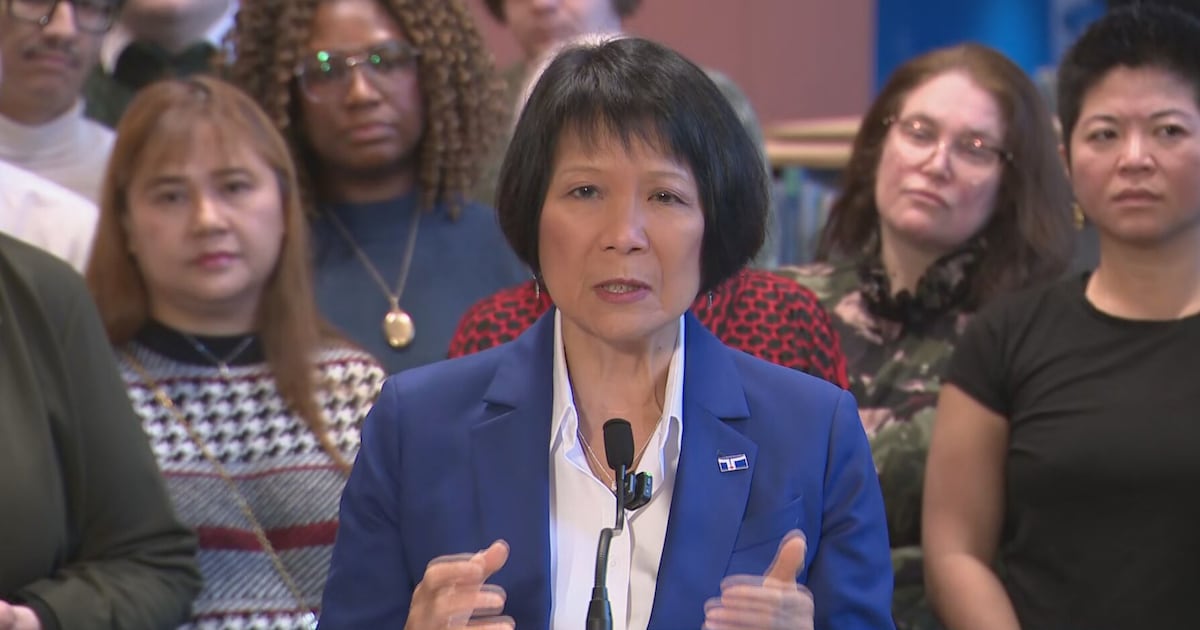
Toronto city officials unveiled the 2026 budget on Thursday, emphasizing affordability as the primary focus. The budget features a freeze on public transit fares for the Toronto Transit Commission (TTC) and introduces a monthly fare cap for riders. Additionally, property owners can expect a modest tax increase of 2.2 percent, which would add approximately $91.50 to the average homeowner’s annual bill.
During a presentation at city hall, City Manager Paul Johnson and Chief Financial Officer Steven Conforti outlined key components of the budget. The proposed tax increase coincides with an already approved 3.75 percent rise in Toronto Water and Solid Waste Management Services rates and fees, as well as a 1.25 percent increase for participants in the Industrial Water Rate Program.
The city plans to achieve savings through various measures, including a slowdown in hiring, thorough budget reviews, and adjustments to fees to account for inflation. A total of $323 million will be drawn from reserve funds, while spending on specific programs, such as long-term care, will be limited. Notably, the budget allocates funds for 27 additional traffic agents, 96 new camp nutrition programs, enhanced crisis services for the TTC, and over 1,000 air conditioning units for low-income residents.
Mayor Olivia Chow described the budget as “very affordable,” despite a remaining budget pressure of around $1 billion. She stated that the city could manage a smaller property tax increase while still addressing essential services. The budget also includes a tax cut for small businesses, reducing their tax burden by an additional 5 percent through an expansion of the small business subclass discount.
The budget process will continue with scheduled town halls on January 14 and 15, where residents can provide feedback. Detailed budget notes for each city department are expected to be available later today, with further discussions scheduled for January 20 and 21. Mayor Chow plans to present her version of the budget, incorporating public input, by February 1, with a final vote set for February 10.
Concerns have emerged regarding the budget’s sustainability. Councillor Brad Bradford expressed skepticism about the claimed savings, suggesting they may derive from deferring planned community centre projects amounting to approximately $200 million. He characterized the budget as a political maneuver to enhance the mayor’s re-election prospects, questioning the genuineness of the proposed savings.
Conforti highlighted that the city faced significant pressures leading up to the budget, including the loss of expected revenue from automated speed enforcement and a decline in TTC ridership. This situation resulted in an added pressure of $268 million on the budget. The city had to identify $1.34 billion in reductions and offsets to create a balanced budget.
The budget also outlines the city’s $63.1 billion capital plan for the next decade, which is intended to address the maintenance and repair of aging infrastructure while bolstering housing, transit, and water services. City officials are optimistic that this financial plan will contribute to a more sustainable fiscal future for Toronto.
As residents await the finalization of the budget, the city’s commitment to affordability and service enhancement remains at the forefront of discussions.

Meta Plans Major Layoffs as AI Costs Surge

Alberta’s Referendum Could Pave Way for U.S. Statehood

Minooka District 201 Plans Enhanced Bilingual Support for Students

Canmore Approves Multiple Development Permits for New Projects

Remembering Bradly Castillo Shearsmith: A Life of Friendship and Joy

BIS Urges Watchdogs to Integrate Synthetic Risk Transfers in Stress Tests

Teva Transforms: Shifting Focus from Generics to Branded Success

Apple Launches AirPods Max 2 with Enhanced Audio Features

Ontario Ends Funding for Seven Supervised Injection Sites

Toyoake City Proposes Daily Two-Hour Smartphone Use Limit

Pedestrian Fatally Injured in Esquimalt Collision on August 14

B.C. Review Reveals Urgent Need for Rare-Disease Drug Reforms

Dark Adventure Game “Bye Sweet Carole” Set for October Release

Konami Revives Iconic Metal Gear Solid Delta Ahead of Release

Victoria’s Pop-Up Shop Shines Light on B.C.’s Wolf Cull

Jimmy Lai’s Defense Challenges Charges Under National Security Law

Snapmaker U1 Color 3D Printer Redefines Speed and Sustainability

Apple Expands Self-Service Repair Program to Canada
-
 Science12 months ago
Toyoake City Proposes Daily Two-Hour Smartphone Use Limit
-
 Top Stories12 months ago
Pedestrian Fatally Injured in Esquimalt Collision on August 14
-
 Health12 months ago
B.C. Review Reveals Urgent Need for Rare-Disease Drug Reforms
-
 Technology12 months ago
Dark Adventure Game “Bye Sweet Carole” Set for October Release
-
 Technology12 months ago
Konami Revives Iconic Metal Gear Solid Delta Ahead of Release
-
 Lifestyle12 months ago
Victoria’s Pop-Up Shop Shines Light on B.C.’s Wolf Cull
-
 World12 months ago
Jimmy Lai’s Defense Challenges Charges Under National Security Law
-
 Technology12 months ago
Snapmaker U1 Color 3D Printer Redefines Speed and Sustainability
-
 Technology12 months ago
Apple Expands Self-Service Repair Program to Canada
-

 Technology12 months ago
AION Folding Knife: Redefining EDC Design with Premium Materials
-

 Technology12 months ago
Solve Today’s Wordle Challenge: Hints and Answer for August 19
-

 Business12 months ago
Gordon Murray Automotive Unveils S1 LM and Le Mans GTR at Monterey