
Business
Waterloo Region Faces Historic Population Growth Slowdown

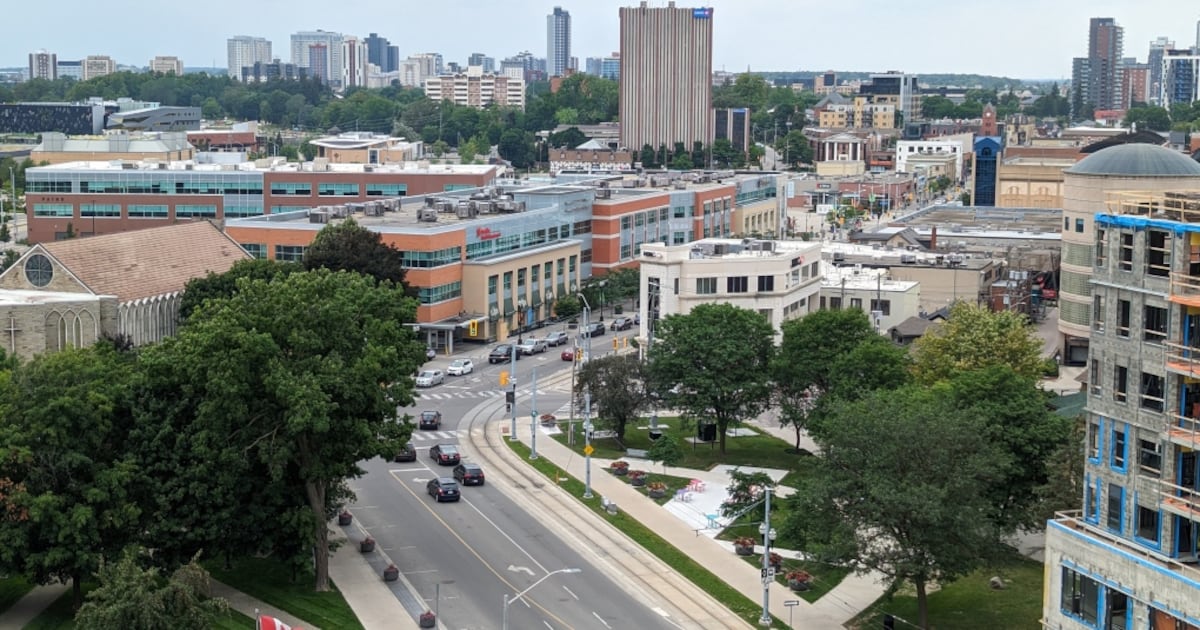
Waterloo Region has experienced its smallest population growth in decades, according to new data from Statistics Canada. From July 2024 to July 2025, the region welcomed just 2,166 new residents, bringing the total population to 701,568. This marked a significant slowdown following three years of rapid growth and positioned the tri-cities near the bottom of the list for population increases among Canada’s largest urban areas.
Several factors contribute to this decline. Kevin Eby, the former director of community planning for the Region of Waterloo, highlighted recent changes at the federal level as a key influence. A cap on international students has resulted in a substantial drop in enrolment at Conestoga College, while stricter regulations for foreign workers have further compounded the situation. Eby indicated that these trends may persist for several years.
“While it’s a bit more of a temporary blip than anything, it’s important to understand that these fluctuations occur regularly,” Eby said. “There’s no need to panic.”
Despite the population slowdown, Eby noted some positive aspects. The decrease has alleviated pressure on the housing market during a period when the region is addressing water capacity issues that have led to a temporary halt in development projects in Kitchener and Waterloo.
Impacts on Business and Future Projections
The implications of this population change for local businesses remain uncertain. Ian McLean, CEO of the Greater Kitchener-Waterloo Chamber of Commerce, suggested that the effects may not be immediately felt but will influence long-term planning. “This is a region where people want to live, work, and grow their businesses,” McLean said. “I don’t see that changing anytime soon.”
Looking toward the future, perspectives on the region’s growth target of one million residents by 2051 vary. Eby expressed skepticism about the feasibility of reaching that goal, describing it as “incredibly optimistic.” In contrast, McLean emphasized the necessity of preparing for growth, regardless of whether the population reaches one million or not.
“We still need a new hospital, tens of thousands of new homes, improved infrastructure like Highway 7, and upwards of 100,000 new jobs,” McLean stated.
The recent population increase of 36,000 new residents in 2023 underscores the contrast with the current figures. While the recent slowdown may not warrant immediate concern, it highlights the need for strategic planning to address the evolving demographics and infrastructure demands in the Waterloo Region.
As the area navigates these challenges, both Eby and McLean stress the importance of maintaining a long-term perspective. The region’s desirability as a place to live and work remains intact, but proactive measures will be essential to sustain growth and meet future demands.

Meta Plans Major Layoffs as AI Costs Surge

Alberta’s Referendum Could Pave Way for U.S. Statehood

Minooka District 201 Plans Enhanced Bilingual Support for Students

Canmore Approves Multiple Development Permits for New Projects

Remembering Bradly Castillo Shearsmith: A Life of Friendship and Joy

BIS Urges Watchdogs to Integrate Synthetic Risk Transfers in Stress Tests

Teva Transforms: Shifting Focus from Generics to Branded Success

Apple Launches AirPods Max 2 with Enhanced Audio Features

Ontario Ends Funding for Seven Supervised Injection Sites

Toyoake City Proposes Daily Two-Hour Smartphone Use Limit

Pedestrian Fatally Injured in Esquimalt Collision on August 14

B.C. Review Reveals Urgent Need for Rare-Disease Drug Reforms

Dark Adventure Game “Bye Sweet Carole” Set for October Release

Konami Revives Iconic Metal Gear Solid Delta Ahead of Release

Victoria’s Pop-Up Shop Shines Light on B.C.’s Wolf Cull

Jimmy Lai’s Defense Challenges Charges Under National Security Law

Snapmaker U1 Color 3D Printer Redefines Speed and Sustainability

Apple Expands Self-Service Repair Program to Canada
-
 Science12 months ago
Toyoake City Proposes Daily Two-Hour Smartphone Use Limit
-
 Top Stories12 months ago
Pedestrian Fatally Injured in Esquimalt Collision on August 14
-
 Health12 months ago
B.C. Review Reveals Urgent Need for Rare-Disease Drug Reforms
-
 Technology12 months ago
Dark Adventure Game “Bye Sweet Carole” Set for October Release
-
 Technology12 months ago
Konami Revives Iconic Metal Gear Solid Delta Ahead of Release
-
 Lifestyle12 months ago
Victoria’s Pop-Up Shop Shines Light on B.C.’s Wolf Cull
-
 World12 months ago
Jimmy Lai’s Defense Challenges Charges Under National Security Law
-
 Technology12 months ago
Snapmaker U1 Color 3D Printer Redefines Speed and Sustainability
-
 Technology12 months ago
Apple Expands Self-Service Repair Program to Canada
-

 Technology12 months ago
AION Folding Knife: Redefining EDC Design with Premium Materials
-

 Technology12 months ago
Solve Today’s Wordle Challenge: Hints and Answer for August 19
-

 Business12 months ago
Gordon Murray Automotive Unveils S1 LM and Le Mans GTR at Monterey