
Education
Challenging Direct Entry to Medical School from High School

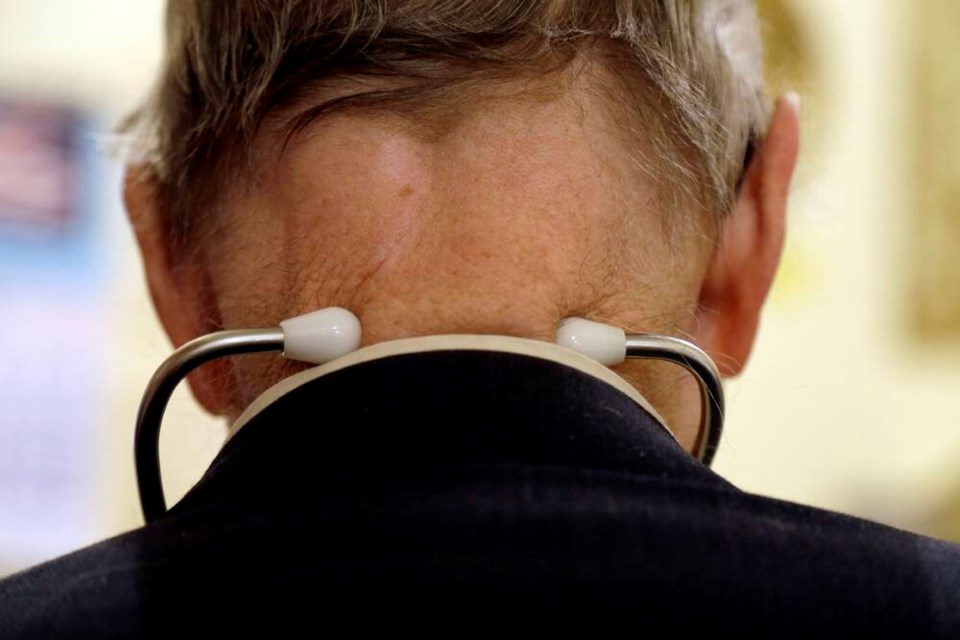
The prospect of allowing students to enter medical school directly from high school is stirring debate among educators and medical professionals. While some advocate for this model, suggesting it could streamline the path to becoming a doctor, experts warn of significant challenges that could arise, particularly regarding the readiness of students to handle the rigors of medical education.
The idea of direct entry into medical school has gained traction in various countries, including the United Kingdom and Australia. Advocates argue that it could address issues such as student debt and the lengthy duration of traditional medical education pathways. However, critics counter that the transition from high school to medical school may not be as straightforward as it appears.
Concerns Over Student Preparedness
One of the primary concerns is the preparedness of high school graduates for the intensive academic and emotional demands of medical training. According to the Medical Council of Canada, the average age of medical students entering Canadian programs is around 24. This age typically reflects several years of undergraduate education that help students develop critical thinking, resilience, and necessary life experiences. Transitioning directly from high school to medical school could leave students lacking these crucial skills.
Moreover, the academic performance of students transitioning directly into medical school from high school has been put under scrutiny. A study conducted in 2023 highlighted that students who entered medical programs immediately after high school had lower performance rates compared to their counterparts who took time off to pursue other educational opportunities or gain work experience. The study emphasized the importance of a well-rounded educational background before entering the demanding field of medicine.
Pathways and Alternatives
Some educational institutions are exploring hybrid models that blend undergraduate education with medical training. Such pathways could provide high school graduates with structured support while allowing them to ease into the complexities of medical studies. For instance, programs in Australia are being designed to include foundational courses in the first year that focus on essential skills and knowledge, ensuring students are better prepared for subsequent medical training.
While the debate continues, it is clear that any movement towards direct entry into medical school must be carefully considered. The ramifications could significantly impact the quality of future medical professionals as well as the healthcare system as a whole. As the conversation evolves, stakeholders from educational institutions, medical councils, and prospective students must engage in dialogue to find a balanced approach that maintains high standards in medical education while also considering the needs and aspirations of young students.
In conclusion, the notion of direct entry into medical school is not simply a matter of access but involves deeper considerations about student readiness and the overall quality of medical training. As discussions unfold in March 2024 and beyond, it will be critical to weigh the potential benefits against the challenges that lie ahead.

Meta Plans Major Layoffs as AI Costs Surge

Alberta’s Referendum Could Pave Way for U.S. Statehood

Minooka District 201 Plans Enhanced Bilingual Support for Students

Canmore Approves Multiple Development Permits for New Projects

Remembering Bradly Castillo Shearsmith: A Life of Friendship and Joy

BIS Urges Watchdogs to Integrate Synthetic Risk Transfers in Stress Tests

Teva Transforms: Shifting Focus from Generics to Branded Success

Apple Launches AirPods Max 2 with Enhanced Audio Features

Ontario Ends Funding for Seven Supervised Injection Sites

Toyoake City Proposes Daily Two-Hour Smartphone Use Limit

Pedestrian Fatally Injured in Esquimalt Collision on August 14

B.C. Review Reveals Urgent Need for Rare-Disease Drug Reforms

Dark Adventure Game “Bye Sweet Carole” Set for October Release

Konami Revives Iconic Metal Gear Solid Delta Ahead of Release

Jimmy Lai’s Defense Challenges Charges Under National Security Law

Victoria’s Pop-Up Shop Shines Light on B.C.’s Wolf Cull

Snapmaker U1 Color 3D Printer Redefines Speed and Sustainability

Apple Expands Self-Service Repair Program to Canada
-
 Science11 months ago
Toyoake City Proposes Daily Two-Hour Smartphone Use Limit
-
 Top Stories11 months ago
Pedestrian Fatally Injured in Esquimalt Collision on August 14
-
 Health11 months ago
B.C. Review Reveals Urgent Need for Rare-Disease Drug Reforms
-
 Technology11 months ago
Dark Adventure Game “Bye Sweet Carole” Set for October Release
-
 Technology11 months ago
Konami Revives Iconic Metal Gear Solid Delta Ahead of Release
-
 World11 months ago
Jimmy Lai’s Defense Challenges Charges Under National Security Law
-
 Lifestyle11 months ago
Victoria’s Pop-Up Shop Shines Light on B.C.’s Wolf Cull
-
 Technology11 months ago
Snapmaker U1 Color 3D Printer Redefines Speed and Sustainability
-
 Technology11 months ago
Apple Expands Self-Service Repair Program to Canada
-

 Technology11 months ago
AION Folding Knife: Redefining EDC Design with Premium Materials
-

 Technology11 months ago
Solve Today’s Wordle Challenge: Hints and Answer for August 19
-

 Business11 months ago
Gordon Murray Automotive Unveils S1 LM and Le Mans GTR at Monterey