
Education
Kankakee School District Receives Critical Curriculum Audit Findings

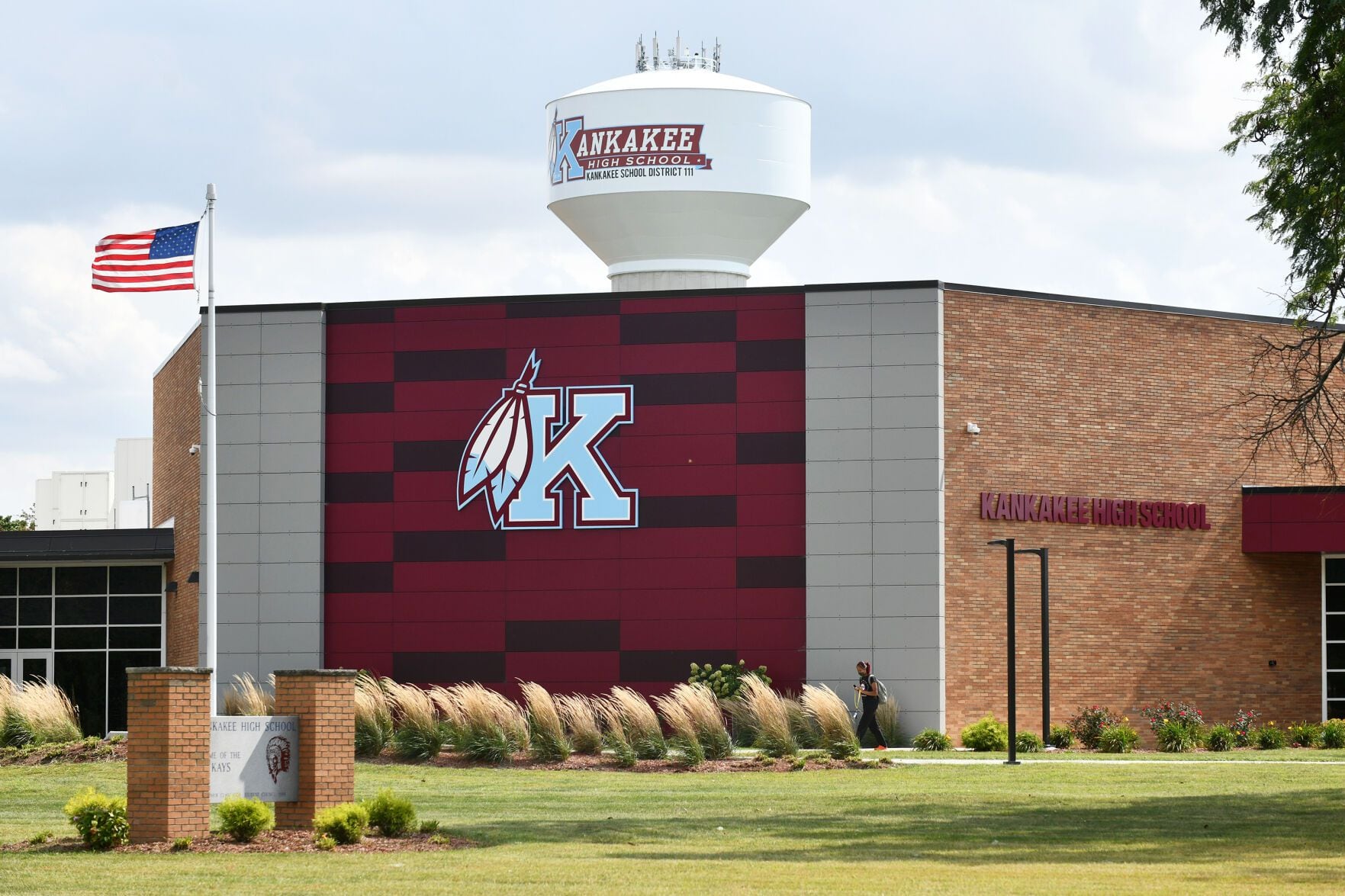
The Kankakee School District is facing significant challenges regarding its curriculum, as highlighted in an extensive audit conducted by Curriculum Management Solutions, Inc. (CMSi). The findings, presented to the Kankakee School Board on October 23, 2023, indicate that the district has substantial work to do to enhance student learning and instructional quality. The audit, which commenced in March 2024, cost the district approximately $130,332 and produced a detailed 250-page report.
Key Findings of the Curriculum Audit
Holly Kaptain, a representative from CMSi, outlined the audit’s focus on five main areas and provided six key recommendations. While the district’s curriculum policies meet state requirements, Kaptain emphasized that they lack the depth necessary for effective curriculum implementation. “Your curriculum policies are pretty sparse,” she stated, underscoring the need for a more comprehensive framework.
The audit identified that there is no clear written direction for curriculum design, development, delivery, and assessment. Kaptain noted that the existing curriculum management plan is outdated, dating back five or six years, and is not being effectively utilized. Teachers currently rely on a collection of resources rather than a cohesive curriculum that guides their instruction. This lack of alignment with standardized assessments, such as the Illinois Assessment of Readiness and the ACT, raises concerns about students’ preparedness for these evaluations.
Kaptain pointed out that even with dedicated teaching, the current resources do not adequately support high levels of student learning. For instance, third-grade teachers face nearly 4,000 pages of materials for English language arts, which can be overwhelming and counterproductive.
Issues of Equity and Engagement
The report also highlighted disparities in student engagement and access to educational programs. Instructional practices were found to be predominantly whole-group, direct instruction, with minimal opportunities for student-centered learning. “Teaching in classrooms is mostly whole-group, direct instruction, and students were observed most of the time doing seat work,” Kaptain explained. This method of instruction has resulted in low cognitive demands for students, which is far from ideal for fostering critical thinking and problem-solving skills.
Moreover, the audit revealed that not all students have equal access to advanced programs and services. Particularly concerning is the underrepresentation of Black students in gifted programs and Advanced Placement courses, alongside their overrepresentation in special education and disciplinary referrals.
The audit also uncovered gaps in student assessment practices, indicating a need for more structured planning and direction in this area. While assessments like the STAR test and district-developed common formative assessments are in place, Kaptain noted that these should be enhanced to better support student learning.
Financial Considerations and Recommendations
Financially, the audit concluded that District 111 is well-resourced but lacks a thorough cost-benefit analysis in its budgeting processes. Challenges such as the increasing costs of maintaining aging facilities, transportation, and inefficient spending have contributed to budget deficits and low fund balances.
The auditors provided several prioritized recommendations to address these issues, including establishing a clear vision for classroom learning, developing comprehensive curriculum documents, and aligning financial management practices with educational priorities. Other suggestions involved focusing assessments on rigorous performance-based measures and creating a technology plan to enhance productivity throughout the district.
In response to the audit findings, Kelly Gilbert, the assistant superintendent for curriculum and instruction, expressed a commitment to implementing some of the recommendations in the upcoming semester. “We are not waiting,” she stated, emphasizing the urgency of addressing these critical issues. The district anticipates receiving a final report from the auditors prior to the winter break, which will provide further insights and outline next steps.
Kaptain concluded by stressing the importance of optimizing existing resources and expertise within classrooms, urging the district to empower teachers to work more efficiently. “You are at such an important crossroads as a board,” she remarked, highlighting the pivotal moment for Kankakee School District.

Meta Plans Major Layoffs as AI Costs Surge

Alberta’s Referendum Could Pave Way for U.S. Statehood

Minooka District 201 Plans Enhanced Bilingual Support for Students

Canmore Approves Multiple Development Permits for New Projects

Remembering Bradly Castillo Shearsmith: A Life of Friendship and Joy

BIS Urges Watchdogs to Integrate Synthetic Risk Transfers in Stress Tests

Teva Transforms: Shifting Focus from Generics to Branded Success

Apple Launches AirPods Max 2 with Enhanced Audio Features

Ontario Ends Funding for Seven Supervised Injection Sites

Toyoake City Proposes Daily Two-Hour Smartphone Use Limit

Pedestrian Fatally Injured in Esquimalt Collision on August 14

B.C. Review Reveals Urgent Need for Rare-Disease Drug Reforms

Dark Adventure Game “Bye Sweet Carole” Set for October Release

Konami Revives Iconic Metal Gear Solid Delta Ahead of Release

Victoria’s Pop-Up Shop Shines Light on B.C.’s Wolf Cull

Jimmy Lai’s Defense Challenges Charges Under National Security Law

Snapmaker U1 Color 3D Printer Redefines Speed and Sustainability

Apple Expands Self-Service Repair Program to Canada
-
 Science11 months ago
Toyoake City Proposes Daily Two-Hour Smartphone Use Limit
-
 Top Stories11 months ago
Pedestrian Fatally Injured in Esquimalt Collision on August 14
-
 Health11 months ago
B.C. Review Reveals Urgent Need for Rare-Disease Drug Reforms
-
 Technology11 months ago
Dark Adventure Game “Bye Sweet Carole” Set for October Release
-
 Technology11 months ago
Konami Revives Iconic Metal Gear Solid Delta Ahead of Release
-
 Lifestyle11 months ago
Victoria’s Pop-Up Shop Shines Light on B.C.’s Wolf Cull
-
 World11 months ago
Jimmy Lai’s Defense Challenges Charges Under National Security Law
-
 Technology11 months ago
Snapmaker U1 Color 3D Printer Redefines Speed and Sustainability
-
 Technology11 months ago
Apple Expands Self-Service Repair Program to Canada
-

 Technology11 months ago
AION Folding Knife: Redefining EDC Design with Premium Materials
-

 Technology11 months ago
Solve Today’s Wordle Challenge: Hints and Answer for August 19
-

 Business11 months ago
Gordon Murray Automotive Unveils S1 LM and Le Mans GTR at Monterey