
Education
Manitoba Teachers Embrace Informal Titles Amid Quebec’s Civility Shift

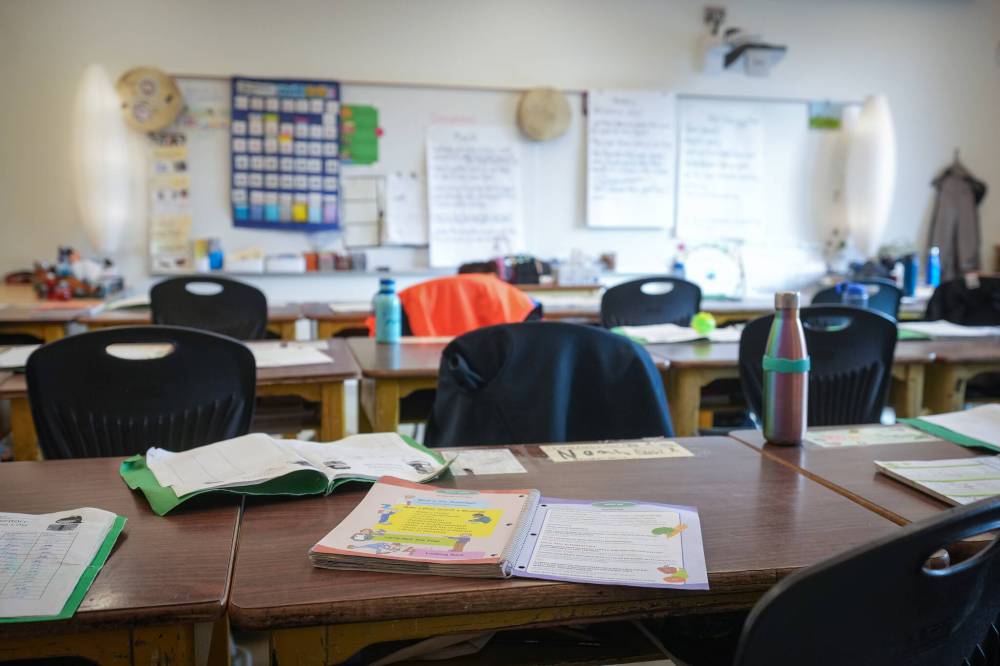
Manitoba schools will not adopt new civility rules similar to those recently implemented in Quebec, allowing teachers to maintain their preference for informal titles. Starting in March 2024, Quebec requires students to address educators using formal titles such as “Mr.” or “Ms.” This initiative aims to promote respect and civility in classrooms across the province. In contrast, Manitoba educators, particularly in Winnipeg, are relieved to continue their informal interactions with students.
David Zynoberg, a high school internship coordinator, introduced himself simply as “David” to foster a more approachable environment. He believes that using first names humanizes teachers and encourages stronger connections with students. “We’re not just authority figures in the school, and I think it breaks down some of those authoritative barriers that might exist,” Zynoberg stated.
Principal Jane Suchy of Exchange Met School shares a similar philosophy. By inviting students and parents to call her “Jane,” she emphasizes her commitment to building relationships and valuing their perspectives. “Students are learning alongside their teachers. Teachers aren’t the experts of every single piece of knowledge,” she said, highlighting her school’s focus on alternative education models that prioritize internships and project-based learning.
Supporters of maintaining informal titles in Manitoba argue that this flexibility allows teachers to make choices based on their comfort levels and the culture within their schools. Lillian Klausen, president of the Manitoba Teachers’ Society, notes that over the past decade there has been a trend toward using more casual titles, particularly in elementary education. This shift reflects a broader movement to respect individuals’ preferences for names and pronouns.
Klausen remarked, “I don’t think the way that a teacher is asking their students to address them is what is going to make or break the classroom environment.” For her, the critical aspect is fostering a genuine understanding between teachers and students to enhance communication.
The University of Manitoba’s Cameron Hauseman advocates for co-created classroom agreements to establish expectations. He indicates a shift towards contemporary pedagogical practices that are less teacher-directed. “When it comes to contemporary pedagogy, it’s far less teacher-directed,” said Hauseman. As schools in Manitoba confront issues like chronic absenteeism, educators are exploring ways to create welcoming environments that encourage student attendance.
In contrast, etiquette coach Jessica LoRusso argues for a reconsideration of informal address in Manitoba. She believes that learning basic etiquette, such as using honorifics, can enhance students’ confidence and social skills, ultimately preparing them for the workforce. “That’s where a lot of miscommunication and conflict happens,” LoRusso explained.
While the Manitoba francophone school division has at times looked to Quebec for guidance, Superintendent Alain Laberge sees little merit in adopting the latest civility rules, which require students to address teachers using the formal “vous” instead of the more casual “tu.” He noted, “Some teachers feel that using ‘vous’ puts a space between them and the children.”
For Zynoberg, professionalism remains the cornerstone of a respectful classroom atmosphere. “Leaders can present as leaders, no matter what they’re called — that’s not what makes somebody a leader,” he asserted. It is the manner in which educators treat others and manage relationships that truly defines effective leadership in education.
As discussions continue in Manitoba about the future of teacher-student interactions, the decision to prioritize a more relaxed approach reflects a commitment to fostering genuine relationships within educational settings.

Meta Plans Major Layoffs as AI Costs Surge

Alberta’s Referendum Could Pave Way for U.S. Statehood

Minooka District 201 Plans Enhanced Bilingual Support for Students

Canmore Approves Multiple Development Permits for New Projects

Remembering Bradly Castillo Shearsmith: A Life of Friendship and Joy

BIS Urges Watchdogs to Integrate Synthetic Risk Transfers in Stress Tests

Teva Transforms: Shifting Focus from Generics to Branded Success

Apple Launches AirPods Max 2 with Enhanced Audio Features

Ontario Ends Funding for Seven Supervised Injection Sites

Toyoake City Proposes Daily Two-Hour Smartphone Use Limit

Pedestrian Fatally Injured in Esquimalt Collision on August 14

B.C. Review Reveals Urgent Need for Rare-Disease Drug Reforms

Dark Adventure Game “Bye Sweet Carole” Set for October Release

Konami Revives Iconic Metal Gear Solid Delta Ahead of Release

Victoria’s Pop-Up Shop Shines Light on B.C.’s Wolf Cull

Jimmy Lai’s Defense Challenges Charges Under National Security Law

Snapmaker U1 Color 3D Printer Redefines Speed and Sustainability

Apple Expands Self-Service Repair Program to Canada
-
 Science1 year ago
Toyoake City Proposes Daily Two-Hour Smartphone Use Limit
-
 Top Stories1 year ago
Pedestrian Fatally Injured in Esquimalt Collision on August 14
-
 Health1 year ago
B.C. Review Reveals Urgent Need for Rare-Disease Drug Reforms
-
 Technology1 year ago
Dark Adventure Game “Bye Sweet Carole” Set for October Release
-
 Technology1 year ago
Konami Revives Iconic Metal Gear Solid Delta Ahead of Release
-
 Lifestyle1 year ago
Victoria’s Pop-Up Shop Shines Light on B.C.’s Wolf Cull
-
 World1 year ago
Jimmy Lai’s Defense Challenges Charges Under National Security Law
-
 Technology1 year ago
Snapmaker U1 Color 3D Printer Redefines Speed and Sustainability
-
 Technology1 year ago
Apple Expands Self-Service Repair Program to Canada
-

 Technology1 year ago
AION Folding Knife: Redefining EDC Design with Premium Materials
-

 Technology1 year ago
Solve Today’s Wordle Challenge: Hints and Answer for August 19
-

 Business1 year ago
Gordon Murray Automotive Unveils S1 LM and Le Mans GTR at Monterey