
Education
Ontario College Students Face Uncertainty Amid Federal Cuts

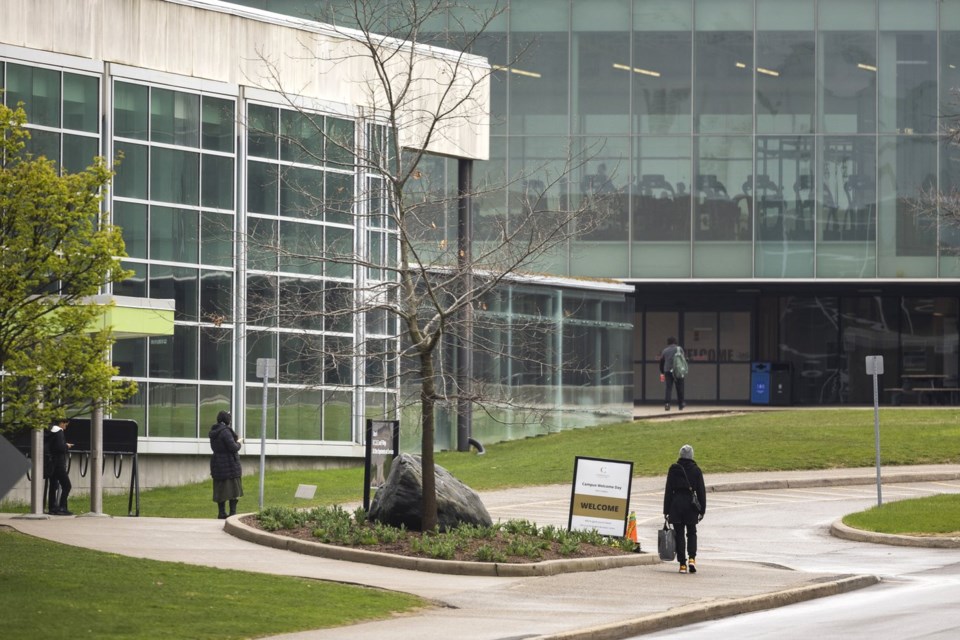
Ontario college students are grappling with an uncertain future as recent changes to Canada’s international student policies have resulted in significant program cancellations and service adjustments. The impact is particularly pronounced in Ontario, where institutions are now facing challenges that could fundamentally alter the educational landscape for thousands of students.
Impact of Federal Policy Changes
The federal government announced a series of regulatory changes on March 1, 2024, aimed at tightening the requirements for international students. This shift has led to a dramatic decrease in enrollment numbers, prompting colleges across Ontario to reevaluate their offerings. Many institutions are now forced to cut programs that rely heavily on international tuition fees, which are typically much higher than domestic rates.
According to the Ontario College Association, over 30% of international student programs are at risk of cancellation due to these policy changes. The association has expressed concern that these cuts will not only affect the quality of education but could also lead to significant job losses among faculty and support staff.
Student Concerns and Reactions
Students are understandably anxious about their future. Maria Gomez, a second-year international student at George Brown College, voiced her frustration. “I chose Ontario for its diverse educational environment, and now I feel like all my plans are crumbling. It’s terrifying not knowing what will happen next,” she stated.
Many students have reported receiving notifications about program changes just weeks before the start of the new academic term. This uncertainty leaves them struggling to make decisions about their education and career paths. James Liang, a final-year student in a business program, noted that “the lack of communication from the college has made it difficult to plan for graduation.”
In response to the cuts, colleges are attempting to adapt by offering alternative programs and support services. However, the effectiveness of these measures remains to be seen, and many students are questioning whether these initiatives will be sufficient to address their needs.
Long-Term Implications
The broader implications of these changes extend beyond the immediate effects on students. The Canadian Bureau for International Education has warned that the decline in international student enrollment could negatively impact the country’s economy. In 2022, international students contributed approximately $21 billion to the Canadian economy, and any significant decrease could have lasting consequences.
Experts have urged the government to reconsider its approach, arguing that a more balanced policy could benefit both the educational system and the economy. A report by the Canadian Council on Learning highlights the importance of maintaining a diverse student body as crucial for fostering innovation and cultural exchange.
As Ontario college students navigate this unpredictable landscape, the call for clarity and support from educational institutions and the government grows louder. Many are hoping for swift actions that will not only preserve their educational opportunities but also safeguard the future of international education in Canada.

Meta Plans Major Layoffs as AI Costs Surge

Alberta’s Referendum Could Pave Way for U.S. Statehood

Minooka District 201 Plans Enhanced Bilingual Support for Students

Canmore Approves Multiple Development Permits for New Projects

Remembering Bradly Castillo Shearsmith: A Life of Friendship and Joy

BIS Urges Watchdogs to Integrate Synthetic Risk Transfers in Stress Tests

Teva Transforms: Shifting Focus from Generics to Branded Success

Apple Launches AirPods Max 2 with Enhanced Audio Features

Ontario Ends Funding for Seven Supervised Injection Sites

Toyoake City Proposes Daily Two-Hour Smartphone Use Limit

Pedestrian Fatally Injured in Esquimalt Collision on August 14

B.C. Review Reveals Urgent Need for Rare-Disease Drug Reforms

Dark Adventure Game “Bye Sweet Carole” Set for October Release

Konami Revives Iconic Metal Gear Solid Delta Ahead of Release

Jimmy Lai’s Defense Challenges Charges Under National Security Law

Victoria’s Pop-Up Shop Shines Light on B.C.’s Wolf Cull

Snapmaker U1 Color 3D Printer Redefines Speed and Sustainability

Apple Expands Self-Service Repair Program to Canada
-
 Science11 months ago
Toyoake City Proposes Daily Two-Hour Smartphone Use Limit
-
 Top Stories11 months ago
Pedestrian Fatally Injured in Esquimalt Collision on August 14
-
 Health11 months ago
B.C. Review Reveals Urgent Need for Rare-Disease Drug Reforms
-
 Technology11 months ago
Dark Adventure Game “Bye Sweet Carole” Set for October Release
-
 Technology11 months ago
Konami Revives Iconic Metal Gear Solid Delta Ahead of Release
-
 World11 months ago
Jimmy Lai’s Defense Challenges Charges Under National Security Law
-
 Lifestyle11 months ago
Victoria’s Pop-Up Shop Shines Light on B.C.’s Wolf Cull
-
 Technology11 months ago
Snapmaker U1 Color 3D Printer Redefines Speed and Sustainability
-
 Technology11 months ago
Apple Expands Self-Service Repair Program to Canada
-

 Technology11 months ago
AION Folding Knife: Redefining EDC Design with Premium Materials
-

 Technology11 months ago
Solve Today’s Wordle Challenge: Hints and Answer for August 19
-

 Business11 months ago
Gordon Murray Automotive Unveils S1 LM and Le Mans GTR at Monterey