
Education
Vancouver’s School Site Choices Spark Community Debate

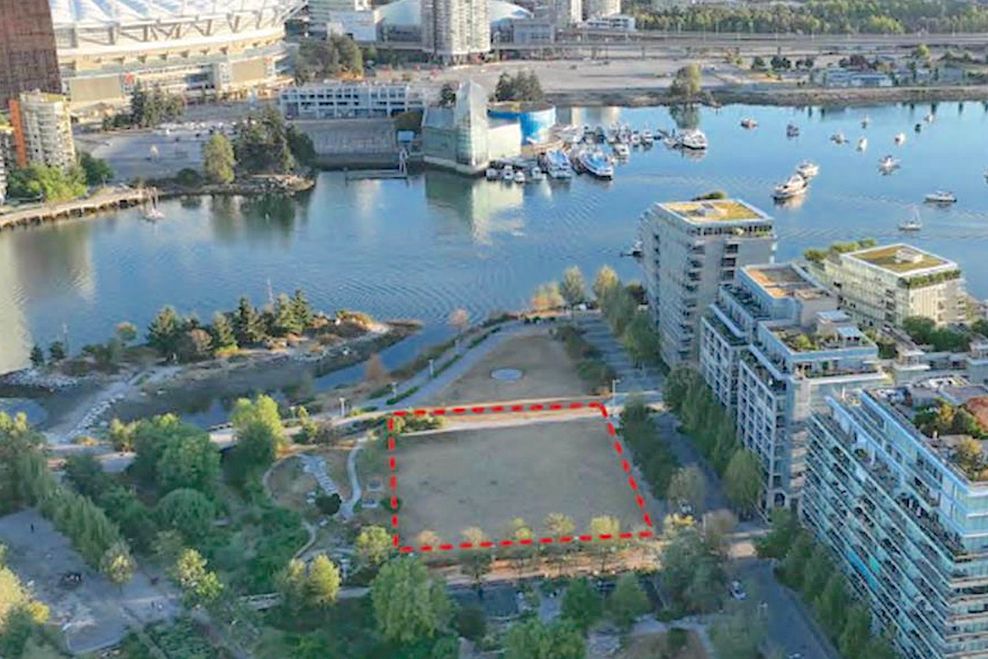
Vancouver City Council is currently deliberating a rezoning application by the Vancouver School Board (VSB) for the planned Olympic Village Elementary School, set to be located at Hinge Park, adjacent to the Southeast False Creek seawall. The proposed school aims to address the growing need for educational facilities in the downtown Vancouver peninsula, which is experiencing significant residential development.
During a public hearing on February 12, 2026, nearly three dozen speakers expressed opinions on the project, highlighting the urgency for more elementary schools in the area. As residential developments such as those in Northeast False Creek and the broader Broadway Plan area continue to attract families with children, many community members argue that the city must prioritize walkable and accessible school locations. The city has scheduled a follow-up public hearing for February 26, 2026, to further discuss the proposal.
Supporters of the Olympic Village Elementary School emphasize that the Olympic Village neighborhood has a high concentration of children and has been waiting for a new school for nearly two decades. Current local schools are overcrowded, forcing families to navigate stressful lotteries and lengthy commutes. A larger school on this site would allow more children to walk to school, thus reducing traffic congestion and alleviating the burden on existing facilities.
Conversely, opponents of the project raise concerns about the size and location of the school. With a proposed capacity of up to 630 students and four levels, they argue that such a large structure would exacerbate traffic issues, limit curbside parking, and hinder emergency access. Additionally, critics question the loss of open park space and the potential negative impact on the neighborhood’s character, calling for a smaller school or a different location that allows for more public consultation.
Despite the valid concerns surrounding the Olympic Village Elementary School, a broader issue persists regarding the strategic placement of schools in downtown Vancouver. Over the past 25 years, the city and VSB have consistently located schools on valuable urban land, particularly along the waterfront and near major entertainment venues. Examples include the Elsie Roy Elementary School in Yaletown, the upcoming Seaside Elementary School in Coal Harbour, and the Crosstown Elementary School located adjacent to Rogers Arena.
In many major cities, waterfronts and central urban areas are designed for vibrant public life, filled with shops, restaurants, and cultural venues. However, Vancouver’s waterfront areas often feature quieter, inward-facing developments. This pattern raises questions about the appropriateness of placing schools in such prominent locations, which could otherwise be utilized for more active and public-facing uses.
The recent trend of situating elementary schools in these high-value areas appears counterproductive to fostering a lively urban environment. Schools serve critical roles in communities, yet they do not define public spaces in the same way that commercial establishments do. The continued placement of schools on valuable waterfront land reduces opportunities for civic destinations that engage residents and visitors alike.
The proposed Olympic Village Elementary School site reflects the long-term planning established by the city’s 2005 Southeast False Creek Official Development Plan (ODP). While this plan aimed to create a vibrant neighborhood, it has led to the allocation of some of the most desirable land for educational purposes, rather than for community-centered commercial activity.
In light of the city’s evolving demographics and the projected increase of at least 64,000 residents in the Broadway Plan area over the coming decades, it is crucial for the VSB and city planners to adopt a long-term perspective when considering school locations. Currently, about 800 more elementary students than the existing facilities can accommodate are present in the area, indicating an urgent need for new educational spaces.
As community members advocate for the construction of more schools, it is essential to assess the suitability of their locations. High-capacity schools should not be placed in areas that detract from vibrant public life or the overall character of a community. Decision-makers must balance the necessity of educational facilities with the need for engaging public spaces that enhance the urban landscape.
The ongoing discussions surrounding the Olympic Village Elementary School project exemplify the critical dialogue needed to create a more balanced approach to urban planning in Vancouver. As the city continues to grow and evolve, the choices made today regarding school placements will have lasting implications for the future of community life in Vancouver.

Meta Plans Major Layoffs as AI Costs Surge

Alberta’s Referendum Could Pave Way for U.S. Statehood

Minooka District 201 Plans Enhanced Bilingual Support for Students

Canmore Approves Multiple Development Permits for New Projects

Remembering Bradly Castillo Shearsmith: A Life of Friendship and Joy

BIS Urges Watchdogs to Integrate Synthetic Risk Transfers in Stress Tests

Teva Transforms: Shifting Focus from Generics to Branded Success

Apple Launches AirPods Max 2 with Enhanced Audio Features

Ontario Ends Funding for Seven Supervised Injection Sites

Toyoake City Proposes Daily Two-Hour Smartphone Use Limit

Pedestrian Fatally Injured in Esquimalt Collision on August 14

B.C. Review Reveals Urgent Need for Rare-Disease Drug Reforms

Dark Adventure Game “Bye Sweet Carole” Set for October Release

Konami Revives Iconic Metal Gear Solid Delta Ahead of Release

Victoria’s Pop-Up Shop Shines Light on B.C.’s Wolf Cull

Jimmy Lai’s Defense Challenges Charges Under National Security Law

Snapmaker U1 Color 3D Printer Redefines Speed and Sustainability

Apple Expands Self-Service Repair Program to Canada
-
 Science1 year ago
Toyoake City Proposes Daily Two-Hour Smartphone Use Limit
-
 Top Stories1 year ago
Pedestrian Fatally Injured in Esquimalt Collision on August 14
-
 Health1 year ago
B.C. Review Reveals Urgent Need for Rare-Disease Drug Reforms
-
 Technology1 year ago
Dark Adventure Game “Bye Sweet Carole” Set for October Release
-
 Technology1 year ago
Konami Revives Iconic Metal Gear Solid Delta Ahead of Release
-
 Lifestyle1 year ago
Victoria’s Pop-Up Shop Shines Light on B.C.’s Wolf Cull
-
 World1 year ago
Jimmy Lai’s Defense Challenges Charges Under National Security Law
-
 Technology1 year ago
Snapmaker U1 Color 3D Printer Redefines Speed and Sustainability
-
 Technology1 year ago
Apple Expands Self-Service Repair Program to Canada
-

 Technology1 year ago
AION Folding Knife: Redefining EDC Design with Premium Materials
-

 Technology1 year ago
Solve Today’s Wordle Challenge: Hints and Answer for August 19
-

 Business1 year ago
Gordon Murray Automotive Unveils S1 LM and Le Mans GTR at Monterey