
Health
Advocates Urge Overhaul of Non-Insured Health Benefits for Indigenous Peoples

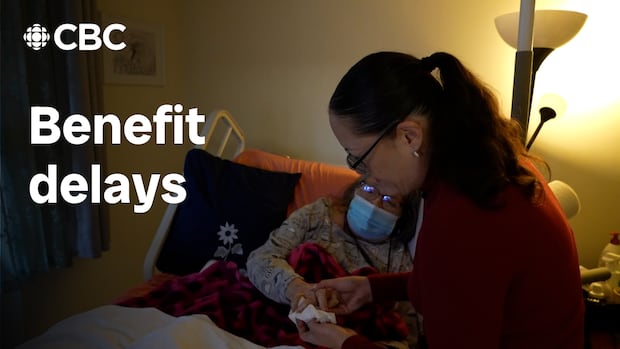
Health-care advocates are calling for significant improvements to the federal Non-Insured Health Benefits (NIHB) program, which serves status First Nations and Inuit in Canada. They argue that the program, which covers essential health services not included under Medicare, is outdated and does not meet the current needs of Indigenous communities.
The NIHB program, managed by Health Canada, provides coverage for various health-related expenditures, including prescription medications, dental care, and mental health services. Despite its importance, advocates highlight that the program has not kept pace with modern health standards or the specific needs of Indigenous populations.
One of the main criticisms revolves around the limited scope of services offered. For instance, many essential treatments, such as vision care and culturally relevant mental health services, are often excluded from coverage. According to the Canadian Nurses Association, this lack of comprehensive support leads to disparities in health outcomes between Indigenous and non-Indigenous Canadians.
Calls for Change and Modernization
Advocates emphasize the urgent need for a thorough review and modernization of the NIHB program. They point to the growing recognition of the importance of mental health, particularly in Indigenous communities where historical trauma and ongoing social challenges contribute to mental health issues. The current program, they argue, does not adequately address these complexities.
In a statement made in March 2024, the Canadian Nurses Association highlighted the necessity of expanding the benefits offered through the program. “Indigenous health care should reflect the unique needs and cultural contexts of First Nations and Inuit,” said the association’s spokesperson. “It is critical that the federal government invests in a system that prioritizes accessibility and equity.”
Community leaders also echo these sentiments, stressing the importance of culturally sensitive care. Many Indigenous health advocates argue that health services should include traditional healing practices alongside conventional medical treatment. The integration of such practices could foster better health outcomes and improve trust in the system.
Impact on Health Outcomes
The implications of the current limitations of the NIHB program are significant. According to a report from Health Canada, Indigenous populations face higher rates of chronic health conditions, including diabetes and heart disease, compared to their non-Indigenous counterparts. Delayed access to necessary treatments due to coverage gaps exacerbates these health disparities.
The conversation around improving non-insured health benefits has gained momentum in recent months. Advocates are urging the federal government to take immediate action to ensure that access to health care is equitable and comprehensive for all Indigenous peoples in Canada.
As discussions continue, the focus remains on the pressing need for reform that not only addresses immediate health care gaps but also supports the long-term well-being of First Nations and Inuit communities across the country. The call for change is not merely a demand for better services; it represents a broader push for respect, recognition, and reconciliation within Canada’s health care system.

Meta Plans Major Layoffs as AI Costs Surge

Alberta’s Referendum Could Pave Way for U.S. Statehood

Minooka District 201 Plans Enhanced Bilingual Support for Students

Canmore Approves Multiple Development Permits for New Projects

Remembering Bradly Castillo Shearsmith: A Life of Friendship and Joy

BIS Urges Watchdogs to Integrate Synthetic Risk Transfers in Stress Tests

Teva Transforms: Shifting Focus from Generics to Branded Success

Apple Launches AirPods Max 2 with Enhanced Audio Features

Ontario Ends Funding for Seven Supervised Injection Sites

Toyoake City Proposes Daily Two-Hour Smartphone Use Limit

Pedestrian Fatally Injured in Esquimalt Collision on August 14

B.C. Review Reveals Urgent Need for Rare-Disease Drug Reforms

Dark Adventure Game “Bye Sweet Carole” Set for October Release

Konami Revives Iconic Metal Gear Solid Delta Ahead of Release

Victoria’s Pop-Up Shop Shines Light on B.C.’s Wolf Cull

Jimmy Lai’s Defense Challenges Charges Under National Security Law

Snapmaker U1 Color 3D Printer Redefines Speed and Sustainability

Apple Expands Self-Service Repair Program to Canada
-
 Science11 months ago
Toyoake City Proposes Daily Two-Hour Smartphone Use Limit
-
 Top Stories11 months ago
Pedestrian Fatally Injured in Esquimalt Collision on August 14
-
 Health11 months ago
B.C. Review Reveals Urgent Need for Rare-Disease Drug Reforms
-
 Technology11 months ago
Dark Adventure Game “Bye Sweet Carole” Set for October Release
-
 Technology11 months ago
Konami Revives Iconic Metal Gear Solid Delta Ahead of Release
-
 Lifestyle11 months ago
Victoria’s Pop-Up Shop Shines Light on B.C.’s Wolf Cull
-
 World11 months ago
Jimmy Lai’s Defense Challenges Charges Under National Security Law
-
 Technology11 months ago
Snapmaker U1 Color 3D Printer Redefines Speed and Sustainability
-
 Technology11 months ago
Apple Expands Self-Service Repair Program to Canada
-

 Technology11 months ago
AION Folding Knife: Redefining EDC Design with Premium Materials
-

 Technology11 months ago
Solve Today’s Wordle Challenge: Hints and Answer for August 19
-

 Business11 months ago
Gordon Murray Automotive Unveils S1 LM and Le Mans GTR at Monterey