
Health
Animals Master Extreme Sleep Techniques to Evade Predators

Animals across the globe have developed unique sleeping strategies to evade predators while fulfilling their essential need for rest. Researchers have recently uncovered the intricate ways different species achieve this balance, highlighting the remarkable adaptations that allow them to survive in challenging environments.
Understanding these “extreme sleep” techniques is crucial, as all animals, including humans, require sleep for survival, despite the inherent risks involved. According to Paul-Antoine Libourel, a researcher at the Neuroscience Research Center of Lyon in France, “sleep is universal even though it’s actually very risky.” This paradox drives animals to innovate their sleeping habits, especially in situations where danger lurks.
Penguins and Their Remarkable Napping Skills
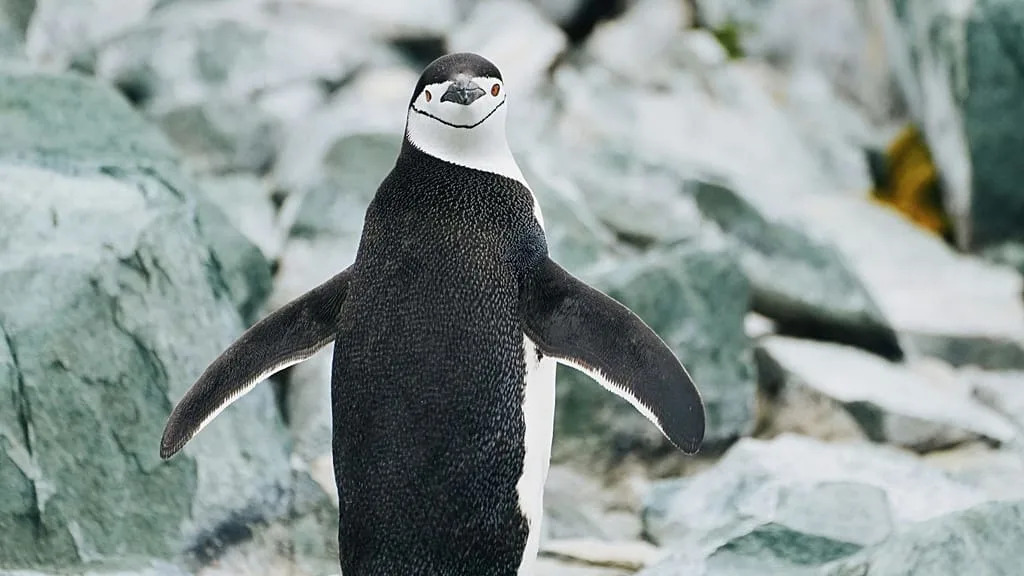
Take the case of chinstrap penguins in Antarctica, which Libourel studies. These penguins exhibit a fascinating sleep pattern, taking thousands of short naps throughout the day to manage their parenting responsibilities. Each nap averages just four seconds, a phenomenon termed “microsleep” by biologist Won Young Lee from the Korea Polar Research Institute.
During their breeding season, these penguin parents alternate roles—one stays with the egg or chick while the other forages for food. This relentless cycle requires them to stay alert, leading to a cumulative sleep total of around eleven hours per day, measured during an eleven-day study on King George Island. Scientists have noted that these penguins can navigate their crowded colonies while still managing to rest, showcasing the adaptive nature of their sleep.
Flight and the Art of Half-Brain Sleep
Birds like the great frigatebird, found in the Galapagos Islands, have also adapted their sleeping habits for survival. These seabirds can sleep using only one hemisphere of their brain while flying, allowing the other half to remain alert for potential hazards. This ability enables frigatebirds to soar for weeks without landing, which is essential for maintaining their feathers in optimal condition.
Research conducted by experts at the Max Planck Institute for Biological Intelligence indicates that when frigatebirds are at their nests, they tend to sleep with both hemispheres engaged, suggesting that their in-flight sleep is a specialized adaptation. This flexibility allows them to cover significant distances, flying up to 410 kilometers a day for more than 40 days.
Seals and Their Sleep While Diving
On the other hand, northern elephant seals demonstrate another form of extreme sleep. Weighing up to 2,200 kilograms, these seals undertake lengthy foraging trips, often diving to depths of several hundred meters. Research led by Jessica Kendall-Bar from the Scripps Institution of Oceanography found that these seals can sleep while diving, particularly during the deep portions of their dives, where they are less susceptible to predators.
Using a specially designed neoprene headcap, Kendall-Bar’s team monitored the seals’ brain activity during dives. Findings revealed that the seals could experience both slow-wave sleep and REM sleep while submerged, with REM sleep causing them to enter a unique “sleep spiral” as they drifted, sometimes upside down.
The study indicated that while at sea, these seals sleep for approximately two hours total over 24 hours, significantly less than the ten hours they average when back on land. Such adaptations highlight the lengths to which these animals go to ensure their survival while still fulfilling their need for rest.
The Ongoing Study of Animal Sleep
As scientists delve deeper into the study of animal sleep, they continue to uncover the diverse strategies that various species employ. The research sheds light on the flexibility of sleep patterns in response to ecological pressures, revealing how nature has equipped animals to thrive in precarious situations.
While humans may not be able to replicate these extreme sleeping methods, understanding the nuances of animal sleep can provide insights into the broader implications of rest in the animal kingdom. The ongoing investigation into these adaptations emphasizes the importance of sleep, not just for survival, but for the overall well-being of all living creatures.

Meta Plans Major Layoffs as AI Costs Surge

Alberta’s Referendum Could Pave Way for U.S. Statehood

Minooka District 201 Plans Enhanced Bilingual Support for Students

Canmore Approves Multiple Development Permits for New Projects

Remembering Bradly Castillo Shearsmith: A Life of Friendship and Joy

BIS Urges Watchdogs to Integrate Synthetic Risk Transfers in Stress Tests

Teva Transforms: Shifting Focus from Generics to Branded Success

Apple Launches AirPods Max 2 with Enhanced Audio Features

Ontario Ends Funding for Seven Supervised Injection Sites

Toyoake City Proposes Daily Two-Hour Smartphone Use Limit

Pedestrian Fatally Injured in Esquimalt Collision on August 14

B.C. Review Reveals Urgent Need for Rare-Disease Drug Reforms

Dark Adventure Game “Bye Sweet Carole” Set for October Release

Konami Revives Iconic Metal Gear Solid Delta Ahead of Release

Victoria’s Pop-Up Shop Shines Light on B.C.’s Wolf Cull

Jimmy Lai’s Defense Challenges Charges Under National Security Law

Snapmaker U1 Color 3D Printer Redefines Speed and Sustainability

Apple Expands Self-Service Repair Program to Canada
-
 Science11 months ago
Toyoake City Proposes Daily Two-Hour Smartphone Use Limit
-
 Top Stories11 months ago
Pedestrian Fatally Injured in Esquimalt Collision on August 14
-
 Health11 months ago
B.C. Review Reveals Urgent Need for Rare-Disease Drug Reforms
-
 Technology11 months ago
Dark Adventure Game “Bye Sweet Carole” Set for October Release
-
 Technology11 months ago
Konami Revives Iconic Metal Gear Solid Delta Ahead of Release
-
 Lifestyle11 months ago
Victoria’s Pop-Up Shop Shines Light on B.C.’s Wolf Cull
-
 World11 months ago
Jimmy Lai’s Defense Challenges Charges Under National Security Law
-
 Technology11 months ago
Snapmaker U1 Color 3D Printer Redefines Speed and Sustainability
-
 Technology11 months ago
Apple Expands Self-Service Repair Program to Canada
-

 Technology11 months ago
AION Folding Knife: Redefining EDC Design with Premium Materials
-

 Technology11 months ago
Solve Today’s Wordle Challenge: Hints and Answer for August 19
-

 Business11 months ago
Gordon Murray Automotive Unveils S1 LM and Le Mans GTR at Monterey