
Health
B.C. Health Minister Faces Patient Backlash Over Virtual Care Cuts

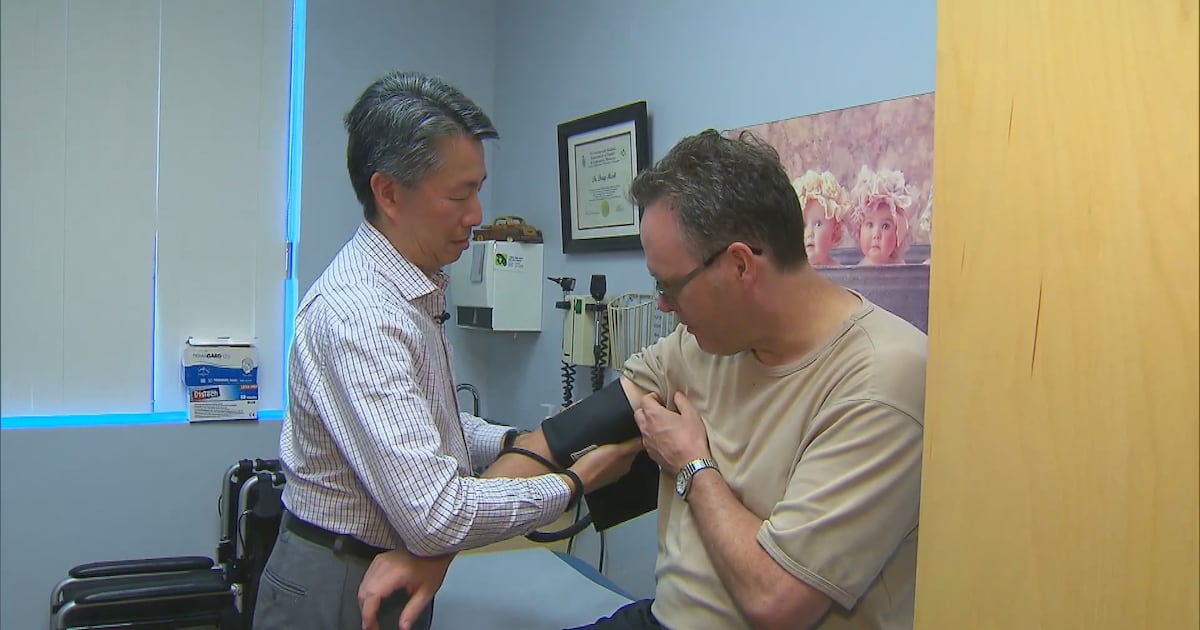
Patient anxiety is rising in British Columbia as the provincial health minister, Josie Osborne, plans changes to virtual group treatment for individuals with chronic illnesses. This decision, driven by a need to address a looming budget deficit, has sparked concerns among both healthcare providers and patients who benefit from these services.
The B.C. Centre for Long Covid, ME/CFS and Fibromyalgia employs a hybrid model combining one-on-one appointments with virtual group courses. These sessions cater to patients suffering from debilitating conditions, some of whom experience partial or full disability. According to co-founder Dr. Ric Arsenau, an impressive 88 percent of their patients report improvements, and 17 percent return to work after participating in the program.
Currently, each virtual group session accommodates 50 patients, a number that is set to be capped at 20. Dr. Arsenau warns that this reduction would render the virtual sessions impractical, as the program serves patients from across the province. He emphasizes the economic impact, stating, “We save $1.2 million a year to the health-care system, freeing up time for family doctors, emergency doctors, and specialists.”
The demand for services at the clinic continues to grow, with 6,000 patients currently enrolled and an annual increase of approximately 2,000. Many patients, like Denise Atkin, have found validation and support through the clinic, which she describes as a “miracle” after years of misdiagnosis. Atkin suffered greatly from chronic fatigue syndrome, worsened by COVID-19, leading to severe limitations in her daily life.
After attending virtual sessions, Atkin gained essential coping skills and has managed to regain some independence. “This is my only access to safe, effective, and informed medical care,” she stated, expressing significant anxiety over the potential discontinuation of these sessions.
Another patient, Dasha Axxelson, a former nurse, echoed similar sentiments. Once an avid runner, she experienced a decline in her physical and cognitive health due to long COVID. Axxelson appreciates the structure of the virtual sessions, which allow for extended interaction with specialists. “Instead of meeting with a (specialist) in-person for 10 minutes, you have an hour to learn so much more,” she explained, highlighting the rarity of access to experts in chronic conditions.
The changes proposed by the Ministry of Health intend to cap the size of virtual care groups following concerns about billing practices. Some physicians reportedly charged the public healthcare system nearly $3,000 for one-hour sessions with 100 patients. Minister Osborne acknowledged the value of virtual group care but insisted the changes are necessary to ensure fiscal responsibility.
“Our work is not to diminish the value of that,” Osborne stated in an interview. “It is to ensure that providers are able to provide that one-on-one care.” She clarified that the intention is not to eliminate remote access to healthcare but to establish guidelines for its delivery.
While the planned cap is expected to be implemented early next year, Osborne remains open to discussions with stakeholders about the implications of the policy. As patients and providers advocate for the continuation of the current model, the outcome of this review may significantly impact the lives of those relying on these essential services.

Meta Plans Major Layoffs as AI Costs Surge

Alberta’s Referendum Could Pave Way for U.S. Statehood

Minooka District 201 Plans Enhanced Bilingual Support for Students

Canmore Approves Multiple Development Permits for New Projects

Remembering Bradly Castillo Shearsmith: A Life of Friendship and Joy

BIS Urges Watchdogs to Integrate Synthetic Risk Transfers in Stress Tests

Teva Transforms: Shifting Focus from Generics to Branded Success

Apple Launches AirPods Max 2 with Enhanced Audio Features

Ontario Ends Funding for Seven Supervised Injection Sites

Toyoake City Proposes Daily Two-Hour Smartphone Use Limit

Pedestrian Fatally Injured in Esquimalt Collision on August 14

B.C. Review Reveals Urgent Need for Rare-Disease Drug Reforms

Dark Adventure Game “Bye Sweet Carole” Set for October Release

Konami Revives Iconic Metal Gear Solid Delta Ahead of Release

Victoria’s Pop-Up Shop Shines Light on B.C.’s Wolf Cull

Jimmy Lai’s Defense Challenges Charges Under National Security Law

Snapmaker U1 Color 3D Printer Redefines Speed and Sustainability

Apple Expands Self-Service Repair Program to Canada
-
 Science11 months ago
Toyoake City Proposes Daily Two-Hour Smartphone Use Limit
-
 Top Stories11 months ago
Pedestrian Fatally Injured in Esquimalt Collision on August 14
-
 Health11 months ago
B.C. Review Reveals Urgent Need for Rare-Disease Drug Reforms
-
 Technology11 months ago
Dark Adventure Game “Bye Sweet Carole” Set for October Release
-
 Technology11 months ago
Konami Revives Iconic Metal Gear Solid Delta Ahead of Release
-
 Lifestyle11 months ago
Victoria’s Pop-Up Shop Shines Light on B.C.’s Wolf Cull
-
 World11 months ago
Jimmy Lai’s Defense Challenges Charges Under National Security Law
-
 Technology11 months ago
Snapmaker U1 Color 3D Printer Redefines Speed and Sustainability
-
 Technology11 months ago
Apple Expands Self-Service Repair Program to Canada
-

 Technology11 months ago
AION Folding Knife: Redefining EDC Design with Premium Materials
-

 Technology11 months ago
Solve Today’s Wordle Challenge: Hints and Answer for August 19
-

 Business11 months ago
Gordon Murray Automotive Unveils S1 LM and Le Mans GTR at Monterey