
Health
Canadians Prepare to Spring Forward as Daylight Time Arrives

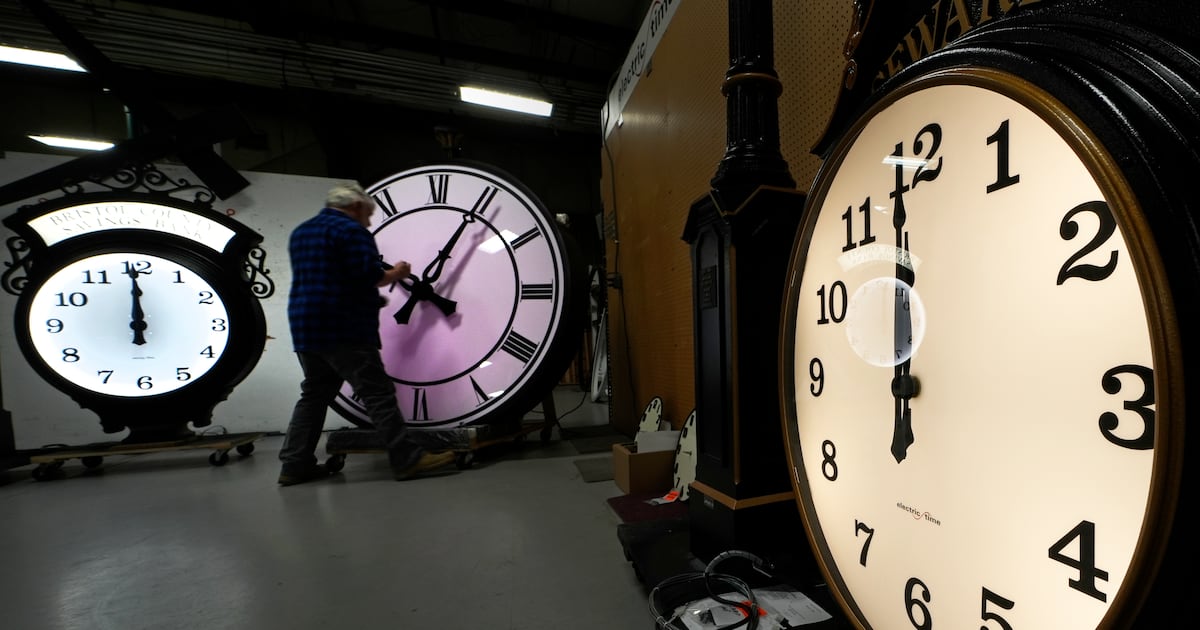
As daylight time approaches, Canadians will soon adjust their clocks forward by one hour. The change takes effect on Sunday, March 8, 2024, at 2 a.m. local time. This shift aims to maximize evening sunlight during the spring and summer months, promoting more outdoor activities and longer daylight hours.
For most Canadians, the transition to daylight time means adjusting clocks, particularly for those using traditional alarm clocks or wristwatches. Many smartphones automatically update the time, but those relying on manual adjustments should remember to set their clocks ahead before going to bed on Saturday night.
Daylight time begins on the second Sunday in March and ends on the first Sunday in November, when clocks revert to standard time. Currently, most provinces and territories in Canada participate in this biannual clock change, with notable exceptions including Yukon, most of Saskatchewan, and certain areas of British Columbia, Ontario, Quebec, and Nunavut.
Growing Calls to End Seasonal Clock Changes
There is increasing momentum to eliminate the practice of changing clocks twice a year. A 2025 study linked seasonal time changes to a heightened risk of obesity and stroke, alongside other health concerns such as increased heart attacks and fatal traffic accidents. These issues arise in part due to the disruption of the body’s natural circadian rhythm, which regulates various physiological processes.
According to Patricia Lakin-Thomas, a biology professor at York University, “When you move your social clock even by an hour, you’re putting yourself in a one-hour jet lag.” She emphasizes that a shift to year-round standard time could enhance public health across the population.
In response to health concerns, Liberal MP Marie-France Lalonde introduced a private member’s bill in 2025 aimed at stopping seasonal clock changes. She expressed the need to gather input from various stakeholders, including parents and young people, to create a consensus on this issue. “We can hopefully come to a consensus to have an agreement that we stop changing our time twice a year,” Lalonde stated.
In 2020, Ontario passed legislation to remain on daylight time permanently, contingent upon similar actions from neighboring Quebec and New York State. A public consultation in Quebec in 2024 revealed strong support for year-round daylight time, indicating a shifting perspective among residents regarding timekeeping practices.
While U.S. states have the authority to adopt permanent standard time, current federal law prohibits the acceptance of permanent daylight time. As discussions continue, the implications of seasonal clock changes on health and well-being remain a priority for many Canadians.
With the annual adjustment set to take place shortly, Canadians are reminded to prepare for the change, which not only affects their daily routines but also sparks broader conversations about health and lifestyle.

Meta Plans Major Layoffs as AI Costs Surge

Alberta’s Referendum Could Pave Way for U.S. Statehood

Minooka District 201 Plans Enhanced Bilingual Support for Students

Canmore Approves Multiple Development Permits for New Projects

Remembering Bradly Castillo Shearsmith: A Life of Friendship and Joy

BIS Urges Watchdogs to Integrate Synthetic Risk Transfers in Stress Tests

Teva Transforms: Shifting Focus from Generics to Branded Success

Apple Launches AirPods Max 2 with Enhanced Audio Features

Ontario Ends Funding for Seven Supervised Injection Sites

Toyoake City Proposes Daily Two-Hour Smartphone Use Limit

Pedestrian Fatally Injured in Esquimalt Collision on August 14

B.C. Review Reveals Urgent Need for Rare-Disease Drug Reforms

Dark Adventure Game “Bye Sweet Carole” Set for October Release

Konami Revives Iconic Metal Gear Solid Delta Ahead of Release

Victoria’s Pop-Up Shop Shines Light on B.C.’s Wolf Cull

Jimmy Lai’s Defense Challenges Charges Under National Security Law

Snapmaker U1 Color 3D Printer Redefines Speed and Sustainability

Apple Expands Self-Service Repair Program to Canada
-
 Science12 months ago
Toyoake City Proposes Daily Two-Hour Smartphone Use Limit
-
 Top Stories12 months ago
Pedestrian Fatally Injured in Esquimalt Collision on August 14
-
 Health12 months ago
B.C. Review Reveals Urgent Need for Rare-Disease Drug Reforms
-
 Technology12 months ago
Dark Adventure Game “Bye Sweet Carole” Set for October Release
-
 Technology12 months ago
Konami Revives Iconic Metal Gear Solid Delta Ahead of Release
-
 Lifestyle12 months ago
Victoria’s Pop-Up Shop Shines Light on B.C.’s Wolf Cull
-
 World12 months ago
Jimmy Lai’s Defense Challenges Charges Under National Security Law
-
 Technology12 months ago
Snapmaker U1 Color 3D Printer Redefines Speed and Sustainability
-
 Technology12 months ago
Apple Expands Self-Service Repair Program to Canada
-

 Technology12 months ago
AION Folding Knife: Redefining EDC Design with Premium Materials
-

 Technology12 months ago
Solve Today’s Wordle Challenge: Hints and Answer for August 19
-

 Business12 months ago
Gordon Murray Automotive Unveils S1 LM and Le Mans GTR at Monterey