
Health
Death Doulas Offer Support as Conversations on Mortality Shift

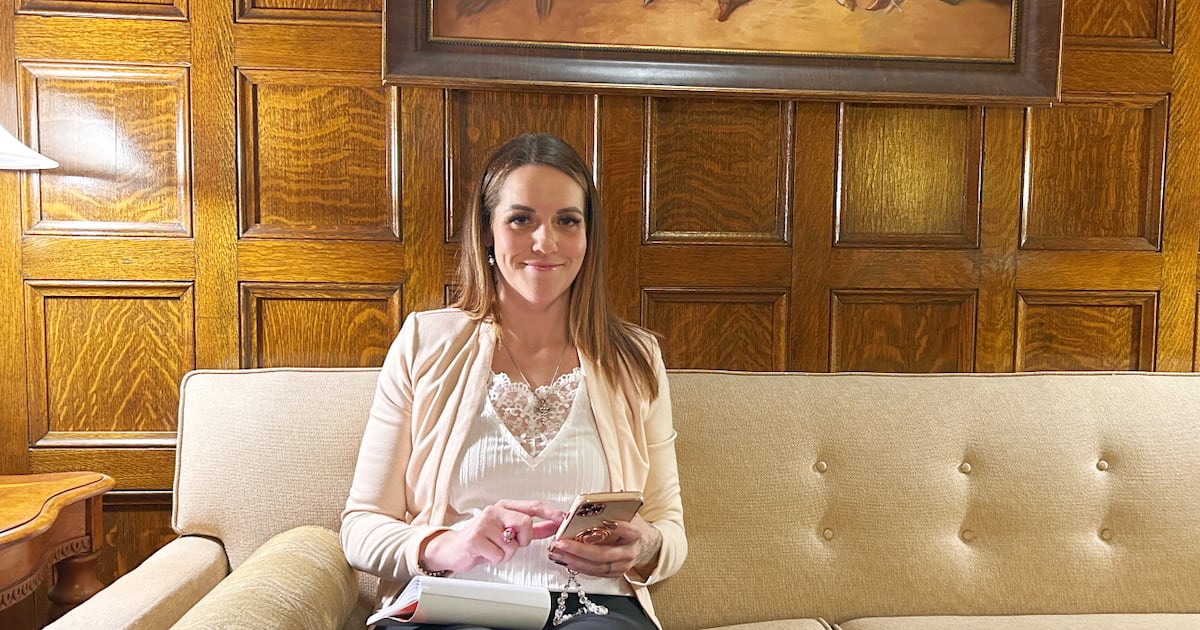
The role of death doulas is gaining recognition as more people seek guidance in navigating the complexities of end-of-life experiences. In Sudbury, Ontario, Ashley Labelle has embraced this calling, providing emotional and practical support to individuals and families facing terminal illness. Labelle, a personal support worker with two decades of experience in health care, including palliative care, believes her journey as a death doula is a natural extension of her lifelong commitment to care.
A profound personal loss in her life further solidified her path. Following the death of her sister, Angele, who became the first Heart in a Box donor in northeastern Ontario, Labelle found herself stepping into a supportive role for her family. “I was that safe space that was non-judgmental,” she stated, allowing her family to express their grief freely. As she learned about the existence of death doulas, she felt a strong connection to the profession. “This is my calling. It truly is,” she said.
Understanding the Role of Death Doulas
Death doulas provide a wide range of services, including logistical support such as paperwork and funeral planning, as well as emotional assistance to help families process grief and fear. They guide individuals in finding meaning in their lives, often through letters, photos, or shared stories. Importantly, these services are privately funded, as they are not typically covered by public or private insurance. Labelle emphasizes that death doulas do not perform medical tasks or engage in legal matters; rather, they serve as a bridge between the health-care system and the funeral process.
Gerry Lougheed, president of Lougheed Funerals, highlighted the necessity of death doulas in modern society. He noted, “We don’t talk about death, but it’s an inevitable part of the human journey.” Lougheed, a funeral director with five decades of experience, acknowledged that funeral practices have evolved significantly, moving away from traditional visitation and religious services. “So who then fills in those gaps of support?” he asked, underscoring the importance of the doula’s role in providing comfort and guidance.
Growing Interest in Death Doula Services
Interest in becoming a death doula is on the rise. Labelle reported that the number of registered death doulas in Canada has surged from 500 to 1,500 over the past three years. Laurentian University offers one of Canada’s few accredited death doula programs, which consists of 100 hours of online training. Nicole Caron, an instructor in the program and a practicing death doula herself, recognized the need for better support during end-of-life experiences. “When my parents passed away in 2016, I didn’t have all of this knowledge,” she reflected, acknowledging the fear and confusion that can accompany death.
Caron noted that the program has attracted professionals from diverse fields, including healthcare and finance, who seek to enhance their understanding of end-of-life care. “There’s a lot more discussion being had about death,” she explained. As society begins to normalize conversations around mortality, more individuals are expressing interest in supporting their loved ones holistically.
Despite the growing interest, death doulas remain unrecognized as medical professionals by the Canadian government. Labelle is advocating for change. “I’m hoping that in the next five to ten years, we are recognized by the government because we are certified,” she stated. She believes that official recognition would alter public perceptions of death and dying.
To foster dialogue about death, Labelle is hosting monthly death cafés in Sudbury and bi-monthly sessions in North Bay, with plans to expand to other cities. These gatherings are intended to provide a safe, non-judgmental space for people of all backgrounds to discuss death, whether they are facing their own mortality or grieving the loss of a loved one. “I believe that no matter who you are, where you come from, what your prognosis is, everybody deserves to have a good death,” she asserted.
The first death café will take place at Lougheed Funeral Home in Hanmer on January 13, 2024, from 18:30 to 20:30. Admission is free, but donations are welcome, reflecting Labelle’s commitment to making conversations about death more accessible and comfortable for everyone.

Meta Plans Major Layoffs as AI Costs Surge

Alberta’s Referendum Could Pave Way for U.S. Statehood

Minooka District 201 Plans Enhanced Bilingual Support for Students

Canmore Approves Multiple Development Permits for New Projects

Remembering Bradly Castillo Shearsmith: A Life of Friendship and Joy

BIS Urges Watchdogs to Integrate Synthetic Risk Transfers in Stress Tests

Teva Transforms: Shifting Focus from Generics to Branded Success

Apple Launches AirPods Max 2 with Enhanced Audio Features

Ontario Ends Funding for Seven Supervised Injection Sites

Toyoake City Proposes Daily Two-Hour Smartphone Use Limit

Pedestrian Fatally Injured in Esquimalt Collision on August 14

B.C. Review Reveals Urgent Need for Rare-Disease Drug Reforms

Dark Adventure Game “Bye Sweet Carole” Set for October Release

Konami Revives Iconic Metal Gear Solid Delta Ahead of Release

Victoria’s Pop-Up Shop Shines Light on B.C.’s Wolf Cull

Jimmy Lai’s Defense Challenges Charges Under National Security Law

Snapmaker U1 Color 3D Printer Redefines Speed and Sustainability

Apple Expands Self-Service Repair Program to Canada
-
 Science11 months ago
Toyoake City Proposes Daily Two-Hour Smartphone Use Limit
-
 Top Stories11 months ago
Pedestrian Fatally Injured in Esquimalt Collision on August 14
-
 Health11 months ago
B.C. Review Reveals Urgent Need for Rare-Disease Drug Reforms
-
 Technology11 months ago
Dark Adventure Game “Bye Sweet Carole” Set for October Release
-
 Technology11 months ago
Konami Revives Iconic Metal Gear Solid Delta Ahead of Release
-
 Lifestyle11 months ago
Victoria’s Pop-Up Shop Shines Light on B.C.’s Wolf Cull
-
 World11 months ago
Jimmy Lai’s Defense Challenges Charges Under National Security Law
-
 Technology11 months ago
Snapmaker U1 Color 3D Printer Redefines Speed and Sustainability
-
 Technology11 months ago
Apple Expands Self-Service Repair Program to Canada
-

 Technology11 months ago
AION Folding Knife: Redefining EDC Design with Premium Materials
-

 Technology11 months ago
Solve Today’s Wordle Challenge: Hints and Answer for August 19
-

 Business11 months ago
Gordon Murray Automotive Unveils S1 LM and Le Mans GTR at Monterey