
Health
Disinfectants Linked to Growing Antimicrobial Resistance Crisis

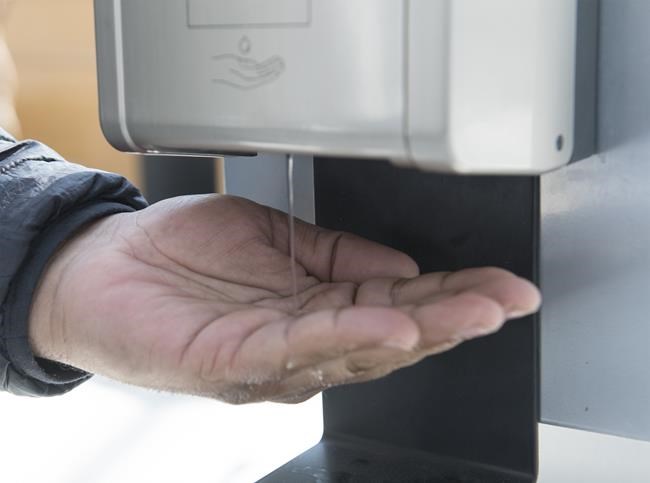
Disinfectants, once seen as essential tools in the fight against infections during the COVID-19 pandemic, may inadvertently contribute to the rising threat of antimicrobial resistance. While products like hand sanitizers and disinfectant wipes have become ubiquitous in homes, hospitals, and public spaces, their widespread use carries hidden costs that could undermine public health.
Understanding the Role of QACs in Disinfectants
Among the most prevalent active ingredients in many disinfectants are quaternary ammonium compounds (QACs). These compounds are found not only in cleaning products designed for surfaces but also in common household items like fabric softeners. According to the U.S. Environmental Protection Agency (EPA), nearly half of the disinfectants listed as effective against SARS-CoV-2 contain QACs.
The extensive use of QACs leads to significant amounts entering wastewater treatment facilities. While over 90 percent of these compounds are typically removed during treatment, residual amounts still reach natural waterways, where they can accumulate. Once in the environment, QACs interact with microbial communities—networks of bacteria, archaea, and fungi that play vital roles in ecosystems.
These communities are resilient, with some microbes evolving to survive the very chemicals designed to eliminate them. QACs attack microbes in multiple ways, affecting cell walls, proteins, and lipids. This broad-spectrum assault empowers some microbes to adapt by enhancing their cell membranes or forming protective biofilms.
The Paradox of Disinfectants and Resistance
The evolution of microbial resistance is concerning, as it poses a significant public health threat. Research indicates that the genes responsible for QAC resistance can be transferred between bacteria through mobile DNA segments. This process, known as co-resistance, allows for the simultaneous spread of both QAC and antibiotic resistance genes. Furthermore, some defense mechanisms developed against QACs also confer protection against antibiotics, creating a phenomenon termed cross-resistance.
The implications are dire. A report by the World Health Organization (WHO) in March 2023 highlighted that antimicrobial resistance is “critically high and rising” globally. The report noted that one in six laboratory-confirmed bacterial infections were resistant to commonly used antibiotics. Between 2018 and 2023, resistance rates increased in over 40 percent of monitored pathogen-antibiotic combinations. The WHO estimated that in 2019, bacterial antimicrobial resistance directly resulted in approximately 1.27 million deaths worldwide.
The journey of resistance begins not just in hospitals but in our homes, wastewater, and natural environments. The chemicals we use daily can create conditions that foster the development and spread of antimicrobial resistance, connecting ordinary cleaning practices to one of the most pressing public health challenges of our time.
While disinfectants are crucial for infection control, especially in healthcare settings, their overuse in daily life raises concerns. The perception that cleanliness equates to being microbe-free has led many to use disinfectants indiscriminately, often without understanding the long-term consequences.
To address these challenges, it is essential to rethink our approach to cleaning. Disinfectants should be used judiciously, recognizing that their effectiveness can have lasting impacts on microbial ecosystems. QACs, for example, remain active long after their application, continuously influencing microbial communities and potentially fostering resistance.
In conclusion, while disinfectants play a vital role in preventing disease, their role in the rise of antimicrobial resistance necessitates a careful and informed approach. As we navigate these complexities, our choices today will shape the microbial landscape of tomorrow.

Meta Plans Major Layoffs as AI Costs Surge

Alberta’s Referendum Could Pave Way for U.S. Statehood

Minooka District 201 Plans Enhanced Bilingual Support for Students

Canmore Approves Multiple Development Permits for New Projects

Remembering Bradly Castillo Shearsmith: A Life of Friendship and Joy

BIS Urges Watchdogs to Integrate Synthetic Risk Transfers in Stress Tests

Teva Transforms: Shifting Focus from Generics to Branded Success

Apple Launches AirPods Max 2 with Enhanced Audio Features

Ontario Ends Funding for Seven Supervised Injection Sites

Toyoake City Proposes Daily Two-Hour Smartphone Use Limit

Pedestrian Fatally Injured in Esquimalt Collision on August 14

B.C. Review Reveals Urgent Need for Rare-Disease Drug Reforms

Dark Adventure Game “Bye Sweet Carole” Set for October Release

Konami Revives Iconic Metal Gear Solid Delta Ahead of Release

Victoria’s Pop-Up Shop Shines Light on B.C.’s Wolf Cull

Jimmy Lai’s Defense Challenges Charges Under National Security Law

Snapmaker U1 Color 3D Printer Redefines Speed and Sustainability

Apple Expands Self-Service Repair Program to Canada
-
 Science1 year ago
Toyoake City Proposes Daily Two-Hour Smartphone Use Limit
-
 Top Stories1 year ago
Pedestrian Fatally Injured in Esquimalt Collision on August 14
-
 Health1 year ago
B.C. Review Reveals Urgent Need for Rare-Disease Drug Reforms
-
 Technology1 year ago
Dark Adventure Game “Bye Sweet Carole” Set for October Release
-
 Technology1 year ago
Konami Revives Iconic Metal Gear Solid Delta Ahead of Release
-
 Lifestyle1 year ago
Victoria’s Pop-Up Shop Shines Light on B.C.’s Wolf Cull
-
 World1 year ago
Jimmy Lai’s Defense Challenges Charges Under National Security Law
-
 Technology1 year ago
Snapmaker U1 Color 3D Printer Redefines Speed and Sustainability
-
 Technology1 year ago
Apple Expands Self-Service Repair Program to Canada
-

 Technology1 year ago
AION Folding Knife: Redefining EDC Design with Premium Materials
-

 Technology1 year ago
Solve Today’s Wordle Challenge: Hints and Answer for August 19
-

 Business1 year ago
Gordon Murray Automotive Unveils S1 LM and Le Mans GTR at Monterey