
Health
Durham Police Officers with PTSD Report Isolation and Neglect

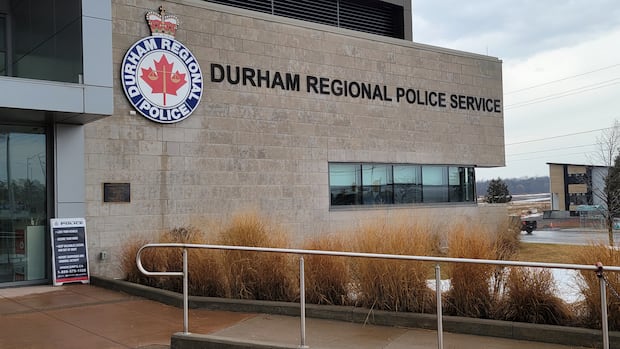
Several officers from the Durham Regional Police Service (DRPS) diagnosed with post-traumatic stress disorder (PTSD) have voiced serious concerns about their treatment following mental health leaves. They report feelings of isolation and a lack of meaningful support from the service, alleging that their confidential medical information has been mishandled and that they are subjected to a culture of stigma.
The officers describe a troubling environment where those who take mental health leave are often ostracized. One officer, using the pseudonym Joseph, expressed frustration, saying, “Why are we left on an island to rot and feel like all this work we’ve done over the years was pointless?” Alongside five other officers, he shared experiences that paint a grim picture of life within the department for those struggling with mental health issues.
Concerns Over Privacy and Workplace Culture
The allegations extend to the management of officers’ private medical information. Four officers informed CBC News that their confidential diagnoses were disclosed to individuals within the department who lacked the authority to access such details. Chief Peter Moreira stated that the service restricts access to medical files to wellness specialists and that any reported privacy breaches would be investigated.
In one documented instance, an officer’s PTSD diagnosis became known to at least two colleagues shortly after he filed a WSIB application. Although this officer did not lodge a complaint, the chief noted he would require more specifics to address any specific incident. He emphasized his commitment to maintaining confidentiality within the service.
Officers further described a culture that discourages taking leave, with some suggesting that stigma has intensified under Moreira’s leadership, which began in March 2023. Two officers reported that senior management implied that taking leave contributed to staffing shortages, using a tone lacking compassion. “It was like, ‘no, they’re full of shit,’” said Kevin, one of the officers.
Impact on Officer Morale and Well-Being
The officers conveyed a sense of being viewed as liabilities upon return from mental health leave. They claimed that once they reveal their struggles, they no longer feel part of the policing community. “You’re not part of the police quote — unquote family of blue anymore,” Joseph remarked. Another officer, Chris, highlighted that those who disclose mental health challenges often face ridicule from colleagues.
Some officers continue to work despite serious mental health struggles due to fear of management’s response. Chris recounted a period where he ignored his psychologist’s advice to take leave, ultimately breaking down at work. He reflected on the difficulty of deciding whether to seek help, fearing the repercussions from command.
Chief Moreira acknowledged the importance of mental health support and stated that many officers do request help. He described the services available, including unlimited access to psychological support, and emphasized his efforts to foster a positive culture surrounding mental health.
Despite these assurances, the officers reported feeling isolated after taking leave. They indicated a lack of supportive outreach from supervisors, with Joseph noting that he received a medal for his years of service in the mail, devoid of any personal acknowledgment or communication. “That was heartbreaking for me to know that’s the value I have for my police service,” he said.
Mark Baxter, president of the Police Association of Ontario, noted that some officers react negatively to contact from the service while on mental health leave, which may contribute to the lack of outreach. He suggested that police services should gauge officers’ comfort levels before initiating contact.
Chief Moreira affirmed that DRPS has a dedicated reintegration officer tasked with maintaining communication with members on leave. He expressed a commitment to improving contact and support for officers during their recovery processes.
As the discussion around mental health within policing continues, the experiences of these officers highlight significant areas for improvement in how services can better support their members facing these challenges.
Andrew Tummonds, president of the Durham Regional Police Association, in a statement, acknowledged some progress but stressed the need for a shift towards a culture of support rather than suspicion regarding mental health claims. The officers’ concerns underscore an urgent need for systemic changes to ensure that those suffering from PTSD receive the care and respect they deserve.

Meta Plans Major Layoffs as AI Costs Surge

Alberta’s Referendum Could Pave Way for U.S. Statehood

Minooka District 201 Plans Enhanced Bilingual Support for Students

Canmore Approves Multiple Development Permits for New Projects

Remembering Bradly Castillo Shearsmith: A Life of Friendship and Joy

BIS Urges Watchdogs to Integrate Synthetic Risk Transfers in Stress Tests

Teva Transforms: Shifting Focus from Generics to Branded Success

Apple Launches AirPods Max 2 with Enhanced Audio Features

Ontario Ends Funding for Seven Supervised Injection Sites

Toyoake City Proposes Daily Two-Hour Smartphone Use Limit

Pedestrian Fatally Injured in Esquimalt Collision on August 14

B.C. Review Reveals Urgent Need for Rare-Disease Drug Reforms

Dark Adventure Game “Bye Sweet Carole” Set for October Release

Konami Revives Iconic Metal Gear Solid Delta Ahead of Release

Victoria’s Pop-Up Shop Shines Light on B.C.’s Wolf Cull

Jimmy Lai’s Defense Challenges Charges Under National Security Law

Snapmaker U1 Color 3D Printer Redefines Speed and Sustainability

Apple Expands Self-Service Repair Program to Canada
-
 Science11 months ago
Toyoake City Proposes Daily Two-Hour Smartphone Use Limit
-
 Top Stories11 months ago
Pedestrian Fatally Injured in Esquimalt Collision on August 14
-
 Health11 months ago
B.C. Review Reveals Urgent Need for Rare-Disease Drug Reforms
-
 Technology11 months ago
Dark Adventure Game “Bye Sweet Carole” Set for October Release
-
 Technology11 months ago
Konami Revives Iconic Metal Gear Solid Delta Ahead of Release
-
 Lifestyle11 months ago
Victoria’s Pop-Up Shop Shines Light on B.C.’s Wolf Cull
-
 World11 months ago
Jimmy Lai’s Defense Challenges Charges Under National Security Law
-
 Technology11 months ago
Snapmaker U1 Color 3D Printer Redefines Speed and Sustainability
-
 Technology11 months ago
Apple Expands Self-Service Repair Program to Canada
-

 Technology11 months ago
AION Folding Knife: Redefining EDC Design with Premium Materials
-

 Technology11 months ago
Solve Today’s Wordle Challenge: Hints and Answer for August 19
-

 Business11 months ago
Gordon Murray Automotive Unveils S1 LM and Le Mans GTR at Monterey