
Health
Illinois Report Highlights Rise in Maternal Deaths, Calls for Action

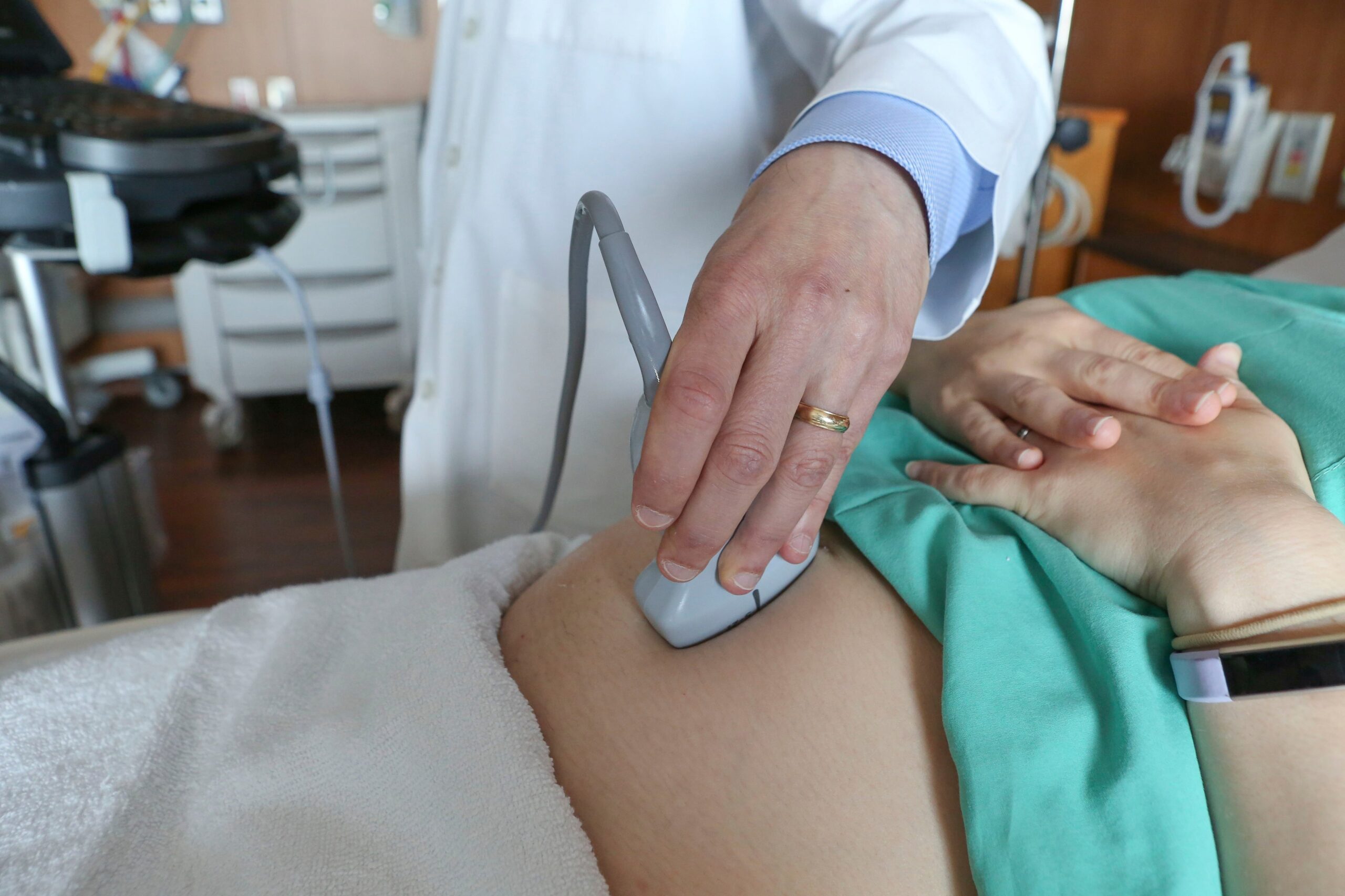
A recent report from the Illinois Department of Public Health reveals a concerning increase in pregnancy-related deaths across the state, underscoring persistent racial disparities. The report examined 219 deaths that occurred in Illinois between 2021 and 2022, during pregnancy or within one year after giving birth. Of these, the review committees identified 94 deaths as directly related to pregnancy, marking a significant rise compared to previous years.
The report emphasizes that “each maternal death represents far more than a statistic: it is a profound and often preventable loss.” It highlights the broader implications of these deaths, noting that they reflect a failure to provide equitable and culturally competent maternal care. Alarmingly, 91% of the pregnancy-related deaths were deemed preventable.
Common Causes and Racial Disparities
Substance use disorder has emerged as the leading cause of pregnancy-related death, accounting for nearly one-third of the fatalities reported. Other significant causes included blood clots and complications from COVID-19, which contributed to 12% and 11% of the deaths, respectively. The incidence of deaths due to hemorrhage has notably doubled to 10% from 5% in earlier reports.
The report reveals stark racial disparities, with Black individuals experiencing the highest maternal mortality rate at 78 deaths per 100,000 live births. Discrimination was identified as a contributing factor in 74% of Black pregnancy-related deaths, highlighting systemic issues in maternal health care. Black mothers were found to be more than twice as likely to die from any pregnancy-related cause compared to their white counterparts. Furthermore, they were over three times as likely to die from purely medical pregnancy-related conditions.
In August, Gov. JB Pritzker signed House Bill 2517, mandating anti-bias training for obstetric care providers. The aim is to educate healthcare professionals about historical racial discrepancies to mitigate implicit biases and improve health outcomes in maternal care.
Mental health conditions were notably the most common contributing factor for white and Hispanic pregnancy-related deaths, with discrimination also affecting nearly one-third of Hispanic maternal deaths. Substance use disorder, while prevalent in white pregnancy-related deaths, accounted for only 9% of deaths in the Hispanic population.
Geographical and Educational Factors
The report indicated that individuals with a high school education or less were more than twice as likely to die from pregnancy-related causes compared to those with post-secondary education. Additionally, Medicaid recipients faced a significantly higher risk, dying from pregnancy-related conditions almost four times more frequently than those with private insurance.
Geographically, the highest rates of pregnancy-related mortality were observed in urban counties outside of Chicago, as well as within the city itself. Maternal mortality rates in Chicago have been on the rise over the last three reporting periods. In contrast, counties surrounding Cook County, such as DuPage, Kane, Lake, McHenry, and Will, reported the lowest levels of pregnancy-related mortality.
The report also noted that fewer than one-third of pregnancy-related deaths occurred during pregnancy. A significant number, 43%, occurred within the first month postpartum, with another third of deaths taking place two or more months after giving birth. Conditions related to substance use disorder and mental health were more likely to arise after delivery.
Recommendations for Improved Care
To address these alarming trends, the report provides several key recommendations outlined in the Illinois Blueprint for Birth Equity, a collaborative project aimed at enhancing maternal healthcare and outcomes. This blueprint, released in September 2025, was developed with input from advocates, experts, and healthcare providers, including contributions from Black midwives and doulas under the guidance of Lt. Gov. Juliana Stratton.
Among the recommendations are calls to expand access to quality and specialized care, urging health insurance plans, including Medicaid, to incentivize maternal health providers to practice in underserved areas. It also suggests that hospitals employ social workers or case managers to aid in resource coordination and postpartum management, as well as to foster collaboration with community-based midwives and doulas.
In a related initiative, the Illinois Department of Healthcare and Family Services announced new coverage for pregnant and parenting Medicaid clients, which took effect on November 21, 2025. This change includes home visiting services that provide health education, blood pressure monitoring, and behavioral health screenings, aimed at bridging gaps in access to timely care.
In a letter introducing the blueprint, Lt. Gov. Juliana Stratton emphasized the administration’s commitment to enhancing maternal health and ensuring that every family can welcome a new child with the necessary support. “Every woman deserves to bring life into this world safely and with dignity,” she stated, underscoring the urgency of addressing these disparities.
As Illinois confronts these challenges, the findings from the maternal mortality report serve as a crucial call to action for improved healthcare policies and practices that ensure equitable care for all mothers.

Meta Plans Major Layoffs as AI Costs Surge

Alberta’s Referendum Could Pave Way for U.S. Statehood

Minooka District 201 Plans Enhanced Bilingual Support for Students

Canmore Approves Multiple Development Permits for New Projects

Remembering Bradly Castillo Shearsmith: A Life of Friendship and Joy

BIS Urges Watchdogs to Integrate Synthetic Risk Transfers in Stress Tests

Teva Transforms: Shifting Focus from Generics to Branded Success

Apple Launches AirPods Max 2 with Enhanced Audio Features

Ontario Ends Funding for Seven Supervised Injection Sites

Toyoake City Proposes Daily Two-Hour Smartphone Use Limit

Pedestrian Fatally Injured in Esquimalt Collision on August 14

B.C. Review Reveals Urgent Need for Rare-Disease Drug Reforms

Dark Adventure Game “Bye Sweet Carole” Set for October Release

Konami Revives Iconic Metal Gear Solid Delta Ahead of Release

Victoria’s Pop-Up Shop Shines Light on B.C.’s Wolf Cull

Jimmy Lai’s Defense Challenges Charges Under National Security Law

Snapmaker U1 Color 3D Printer Redefines Speed and Sustainability

Apple Expands Self-Service Repair Program to Canada
-
 Science1 year ago
Toyoake City Proposes Daily Two-Hour Smartphone Use Limit
-
 Top Stories1 year ago
Pedestrian Fatally Injured in Esquimalt Collision on August 14
-
 Health1 year ago
B.C. Review Reveals Urgent Need for Rare-Disease Drug Reforms
-
 Technology1 year ago
Dark Adventure Game “Bye Sweet Carole” Set for October Release
-
 Technology1 year ago
Konami Revives Iconic Metal Gear Solid Delta Ahead of Release
-
 Lifestyle1 year ago
Victoria’s Pop-Up Shop Shines Light on B.C.’s Wolf Cull
-
 World1 year ago
Jimmy Lai’s Defense Challenges Charges Under National Security Law
-
 Technology1 year ago
Snapmaker U1 Color 3D Printer Redefines Speed and Sustainability
-
 Technology1 year ago
Apple Expands Self-Service Repair Program to Canada
-

 Technology1 year ago
AION Folding Knife: Redefining EDC Design with Premium Materials
-

 Technology1 year ago
Solve Today’s Wordle Challenge: Hints and Answer for August 19
-

 Business1 year ago
Gordon Murray Automotive Unveils S1 LM and Le Mans GTR at Monterey