
Health
Midwifery Services Stalled in New Brunswick, Patients Left Waiting

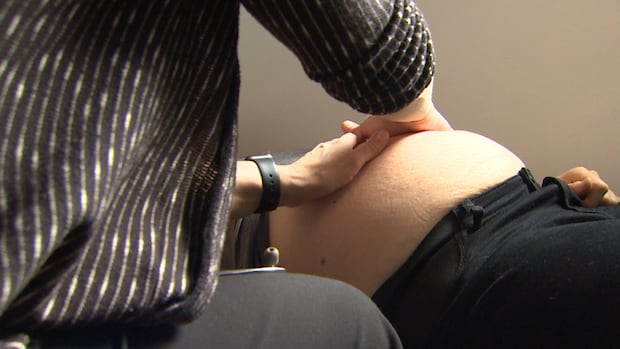
Access to midwifery services in New Brunswick remains limited, despite previous commitments for expansion. The sole Midwifery Centre in Fredericton, which opened in 2017, currently operates with a team of just three licensed midwives. This small workforce struggles to meet the demand from patients across the province, with a notable increase in inquiries regarding midwifery care.
Usrula Rinne, president of the Midwives Association of New Brunswick, highlighted the ongoing challenges. She noted that while there is significant interest in midwifery services, the Fredericton clinic’s capacity has not increased, leaving many without access to care. “From waitlist numbers in the past, we’re not meeting the needs of those within the radius,” Rinne stated.
During her 2024 election campaign, Premier Susan Holt pledged to expand midwifery services, but progress has been slow. Rinne expressed concern that this promise has yet to materialize into actionable plans for new clinics or additional midwives in the province.
Challenges in Recruitment and Education
New Brunswick officially recognized midwifery as a regulated and publicly funded health profession in 2010 with the enactment of the Midwifery Act. However, the actual provision of midwifery care began only with the establishment of the Fredericton centre seven years later. In 2023, midwifery-led births accounted for a mere 1.2 percent of total births in New Brunswick, with only 75 births facilitated by midwives.
Many residents lack access to midwifery care. Cathleen Legacy, a mother of five from Bathurst, shared her frustration over the limited options. After exploring midwifery for her pregnancies, she discovered the personalized care and home birth options offered by midwives. “Women felt like their midwife actually remembered who they were appointment to appointment,” Legacy remarked. “It’s disappointing that after so many years, having a midwife is still not an option for many.”
Recruitment challenges extend beyond New Brunswick. According to CJ Blennerhassett, president of the Canadian Association of Midwives, demand for midwifery care nationwide significantly outstrips supply. “All across the country, demand for midwifery care far outpaces supply,” Blennerhassett noted, citing insufficient prioritization of women’s health and maternity care by government entities.
The United Nations Population Fund projects that Canada will require approximately 9,000 midwives by 2030, while the estimated current supply is only about 2,000. Blennerhassett pointed out that recruiting midwives to areas like New Brunswick is particularly difficult due to limited support for practitioners who are already facing significant workload pressures.
Educational Barriers and Future Recommendations
One significant barrier to increasing the number of midwives in New Brunswick is the lack of midwifery education programs in Atlantic Canada. Although there are six midwifery education programs across the country, the nearest is located in Quebec, making it challenging for local students to pursue this career path. Liz Darling, a professor at McMaster University, emphasized that establishing a program in New Brunswick would be costly and impractical.
Darling proposed that the province could benefit from purchasing seats for New Brunswick students in existing programs and supporting local clinical placements. Currently, the New Brunswick Midwifery Act does not allow students to complete their clinical training within the province, which could deter many from pursuing midwifery.
Rinne advocates for an expansion of midwives’ scope of practice to better serve community health needs. Darling noted that midwifery training includes competencies in areas such as contraceptive counseling and early pregnancy loss care, which are not fully utilized due to regulatory limitations. She suggested that enhancing midwives’ roles could alleviate some of the pressure on the healthcare system.
In response to past recommendations, a 2022 report commissioned by the Department of Health called for an expansion of midwifery services across New Brunswick. This included proposals to scale up the Fredericton clinic and create dedicated spaces for local students in midwifery education programs. While John Dornan, the Minister of Health, acknowledged the recruitment challenges, he indicated that the government is prioritizing improvements at the Fredericton centre before considering expansions to other areas.
As part of the Holt government’s 2024-25 budget, $562,000 has been allocated for the expansion of midwifery services. Despite this funding, the community continues to await tangible changes that would enable more individuals to access midwifery care in New Brunswick. The ongoing situation raises critical questions about the future of maternal health services in the region and the commitment to supporting the needs of expectant families.

Meta Plans Major Layoffs as AI Costs Surge

Alberta’s Referendum Could Pave Way for U.S. Statehood

Minooka District 201 Plans Enhanced Bilingual Support for Students

Canmore Approves Multiple Development Permits for New Projects

Remembering Bradly Castillo Shearsmith: A Life of Friendship and Joy

BIS Urges Watchdogs to Integrate Synthetic Risk Transfers in Stress Tests

Teva Transforms: Shifting Focus from Generics to Branded Success

Apple Launches AirPods Max 2 with Enhanced Audio Features

Ontario Ends Funding for Seven Supervised Injection Sites

Toyoake City Proposes Daily Two-Hour Smartphone Use Limit

Pedestrian Fatally Injured in Esquimalt Collision on August 14

B.C. Review Reveals Urgent Need for Rare-Disease Drug Reforms

Dark Adventure Game “Bye Sweet Carole” Set for October Release

Konami Revives Iconic Metal Gear Solid Delta Ahead of Release

Victoria’s Pop-Up Shop Shines Light on B.C.’s Wolf Cull

Jimmy Lai’s Defense Challenges Charges Under National Security Law

Snapmaker U1 Color 3D Printer Redefines Speed and Sustainability

Apple Expands Self-Service Repair Program to Canada
-
 Science11 months ago
Toyoake City Proposes Daily Two-Hour Smartphone Use Limit
-
 Top Stories11 months ago
Pedestrian Fatally Injured in Esquimalt Collision on August 14
-
 Health11 months ago
B.C. Review Reveals Urgent Need for Rare-Disease Drug Reforms
-
 Technology11 months ago
Dark Adventure Game “Bye Sweet Carole” Set for October Release
-
 Technology11 months ago
Konami Revives Iconic Metal Gear Solid Delta Ahead of Release
-
 Lifestyle11 months ago
Victoria’s Pop-Up Shop Shines Light on B.C.’s Wolf Cull
-
 World11 months ago
Jimmy Lai’s Defense Challenges Charges Under National Security Law
-
 Technology11 months ago
Snapmaker U1 Color 3D Printer Redefines Speed and Sustainability
-
 Technology11 months ago
Apple Expands Self-Service Repair Program to Canada
-

 Technology11 months ago
AION Folding Knife: Redefining EDC Design with Premium Materials
-

 Technology11 months ago
Solve Today’s Wordle Challenge: Hints and Answer for August 19
-

 Business11 months ago
Gordon Murray Automotive Unveils S1 LM and Le Mans GTR at Monterey