
Health
Ontario Medical Labs Urgently Need Staffing Support to Train Future Technologists

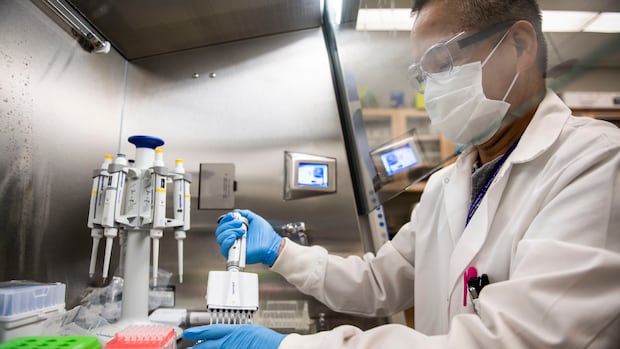
Medical laboratories in Ontario are grappling with significant staffing shortages, prompting a call for increased support to train future medical lab technologists (MLTs). According to a recent survey conducted by the Medical Laboratory Professionals Association of Ontario (MLPAO), approximately 68 percent of labs in the province report a lack of MLTs, the professionals responsible for testing critical medical samples such as blood and swabs.
The shortage of MLTs hampers the ability of healthcare providers to deliver timely diagnoses, especially for serious conditions like cancer and sexually transmitted infections. The MLPAO’s findings indicate that many patients are experiencing longer wait times for test results, which can have serious implications for their health and well-being.
Call for Funding to Enhance Training Programs
Michelle Hoad, CEO of the MLPAO, emphasizes the need for the provincial government to invest in expanding capacity for student placements. Many students enrolled in MLT programs are required to complete clinical placements as part of their education. However, due to the current staffing crisis, numerous labs have created waitlists for these placements, resulting in a bottleneck effect. “When a lab is short-staffed, they’re not able to take a student from that program,” Hoad explained.
The MLPAO is advocating for $6 million in funding over the next three years to support the hiring of educators in medical labs. This investment could help alleviate current staffing pressures and ensure that students receive the practical training they need.
In 2024, the Ontario government announced the creation of 700 spots in MLT programs to address the shortage of technologists. Ema Popovic, spokesperson for Health Minister Sylvia Jones, noted that the province also expanded the Ontario Learn and Stay Grant to include MLT students, encouraging them to remain in Ontario after graduation by covering tuition and other educational costs.
Challenges Persists Despite Government Efforts
Despite these initiatives, Hoad stressed that many labs continue to struggle. The decline in staffing levels has been a growing issue over the past decade, exacerbated by the COVID-19 pandemic. Hoad pointed out that many technicians are working double shifts or forgoing vacation time to maintain workflow, which places additional strain on their well-being. “It’s a very giving group,” she said. “But we need to ensure that we don’t take advantage of them and that they are properly staffed.”
The MLPAO’s survey revealed that among the labs not currently accepting students for clinical placements, 37 percent indicated they would be willing to take on students if the government financed the trainers. This statistic underscores the potential for increased collaboration between educational institutions and healthcare providers, provided adequate funding is allocated.
While the MLPAO acknowledges the provincial government’s previous investments in the medical laboratory workforce, the association insists that immediate action is crucial to address the ongoing staffing crisis.
The collaboration between educational institutions and healthcare facilities is vital for building a robust pipeline of trained medical lab technologists. As Ontario continues to confront these challenges, the focus remains on ensuring that both current and future healthcare needs are met effectively and efficiently.

Meta Plans Major Layoffs as AI Costs Surge

Alberta’s Referendum Could Pave Way for U.S. Statehood

Minooka District 201 Plans Enhanced Bilingual Support for Students

Canmore Approves Multiple Development Permits for New Projects

Remembering Bradly Castillo Shearsmith: A Life of Friendship and Joy

BIS Urges Watchdogs to Integrate Synthetic Risk Transfers in Stress Tests

Teva Transforms: Shifting Focus from Generics to Branded Success

Apple Launches AirPods Max 2 with Enhanced Audio Features

Ontario Ends Funding for Seven Supervised Injection Sites

Toyoake City Proposes Daily Two-Hour Smartphone Use Limit

Pedestrian Fatally Injured in Esquimalt Collision on August 14

B.C. Review Reveals Urgent Need for Rare-Disease Drug Reforms

Dark Adventure Game “Bye Sweet Carole” Set for October Release

Konami Revives Iconic Metal Gear Solid Delta Ahead of Release

Victoria’s Pop-Up Shop Shines Light on B.C.’s Wolf Cull

Jimmy Lai’s Defense Challenges Charges Under National Security Law

Snapmaker U1 Color 3D Printer Redefines Speed and Sustainability

Apple Expands Self-Service Repair Program to Canada
-
 Science11 months ago
Toyoake City Proposes Daily Two-Hour Smartphone Use Limit
-
 Top Stories11 months ago
Pedestrian Fatally Injured in Esquimalt Collision on August 14
-
 Health11 months ago
B.C. Review Reveals Urgent Need for Rare-Disease Drug Reforms
-
 Technology11 months ago
Dark Adventure Game “Bye Sweet Carole” Set for October Release
-
 Technology11 months ago
Konami Revives Iconic Metal Gear Solid Delta Ahead of Release
-
 Lifestyle11 months ago
Victoria’s Pop-Up Shop Shines Light on B.C.’s Wolf Cull
-
 World11 months ago
Jimmy Lai’s Defense Challenges Charges Under National Security Law
-
 Technology11 months ago
Snapmaker U1 Color 3D Printer Redefines Speed and Sustainability
-
 Technology11 months ago
Apple Expands Self-Service Repair Program to Canada
-

 Technology11 months ago
AION Folding Knife: Redefining EDC Design with Premium Materials
-

 Technology11 months ago
Solve Today’s Wordle Challenge: Hints and Answer for August 19
-

 Business11 months ago
Gordon Murray Automotive Unveils S1 LM and Le Mans GTR at Monterey