
Health
Researchers Uncover Link Between Prenatal Cannabis and Schizophrenia Risk

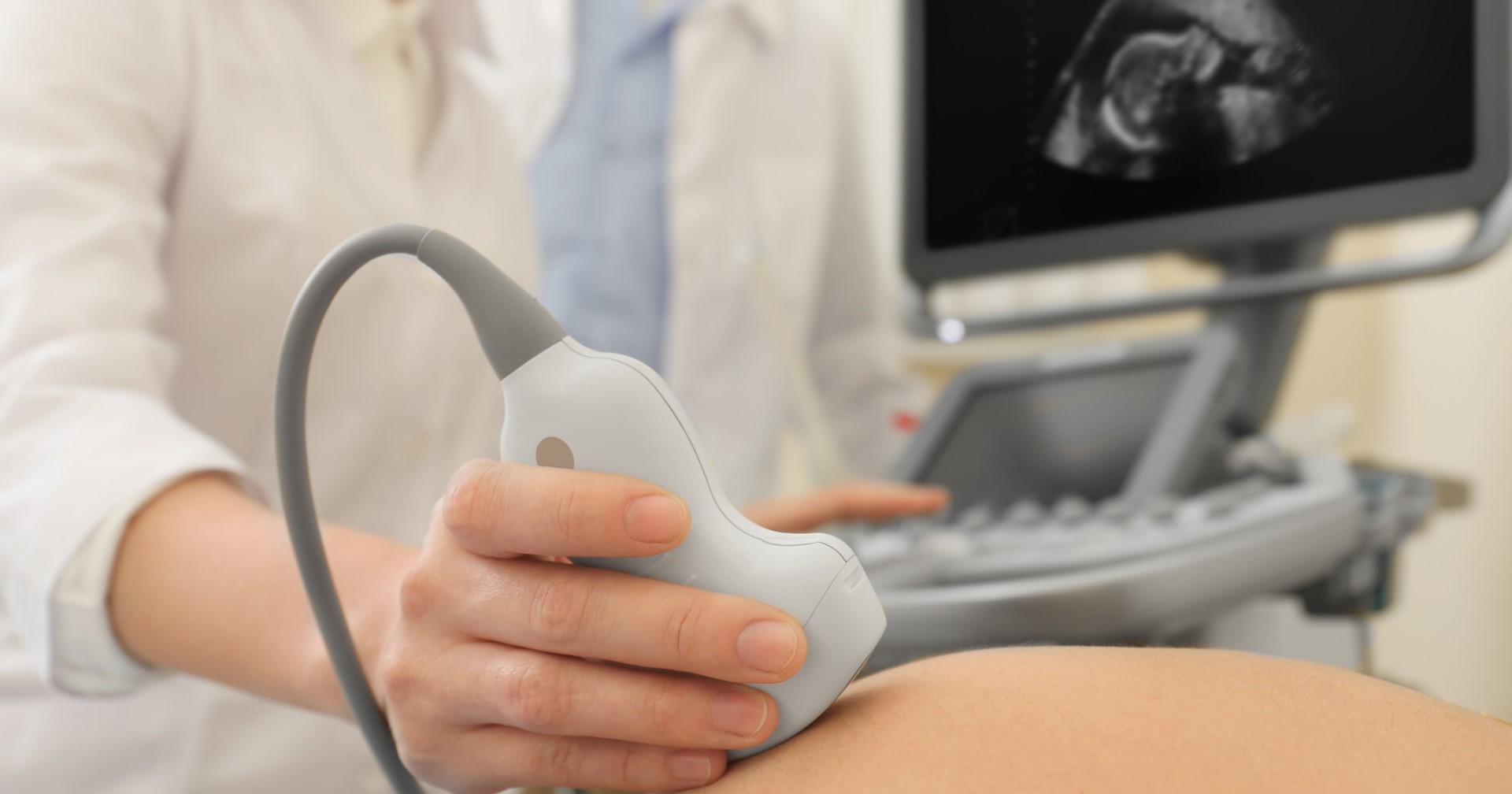
A recent study has revealed significant findings regarding the impact of prenatal cannabis exposure on the risk of developing schizophrenia. This mental health disorder affects approximately one percent of the Canadian population and is associated with serious health challenges, including a reduced life expectancy. The research indicates that certain environmental factors during pregnancy, such as cannabis use, may influence brain development in ways that could heighten this risk.
Understanding the multifaceted causes of schizophrenia is critical, as early diagnosis is linked to improved treatment outcomes. Factors that may contribute to the disorder include family history, childhood trauma, and prenatal conditions. Despite ongoing research, no reliable biomarkers currently exist to predict early risk, which underscores the necessity for innovative approaches in identifying potential indicators.
The Placenta-Brain Connection
Researchers are increasingly examining the placenta as a potential source of early indicators for schizophrenia. This organ not only nourishes the developing fetus but also reflects the prenatal environment. The concept of the placenta-brain axis suggests that adverse conditions affecting the placenta may also impair brain development, both during pregnancy and after birth.
Studies indicate that pregnancies resulting in low birth weight can alter specific genetic markers in the placenta. These markers have been associated with an elevated risk of schizophrenia and other behavioral issues, such as autism and cognitive impairments in children. Notably, cannabis use during pregnancy has emerged as a significant concern due to its association with adverse effects on fetal brain development, particularly in light of its legalization in Canada in 2018. Reports show that cannabis usage among pregnant women has risen, with up to 24 percent of pregnant teens (ages 13 to 19) reportedly consuming cannabis.
While the association between prenatal cannabis exposure and low birth weight is well-documented, the specific effects of cannabis on placental biomarkers linked to schizophrenia remain unclear.
Investigating THC’s Impact
In a study published in the journal Biology of Reproduction in January, a team led by Daniel Hardy, a professor at the Schulich School of Medicine and Dentistry at Western University, investigated the impact of THC, the main psychoactive component of cannabis, on placental markers associated with schizophrenia risk. Collaborators included master’s student Andrea Kocsis and fellow researchers Enzo Perez Valenzuela, David Natale, and Steven Laviolette.
Using a preclinical rodent model, the researchers administered edible THC mixed with Nutella to pregnant animals. They discovered that both male and female offspring exposed to THC exhibited reduced prepulse inhibition, a psychological measure that assesses sensorimotor gating—an ability to filter out irrelevant stimuli. This test is commonly used in diagnosing schizophrenia in humans.
More critically, the study revealed that the placenta of THC-exposed offspring showed increased levels of several placental markers associated with schizophrenia risk. To further validate these findings, the researchers conducted tests using isolated human placental cells treated with THC. The results indicated similar increases in schizophrenia-related genes, suggesting that cannabis exposure during pregnancy may indeed alter placental health.
The implications of this research are significant. While discontinuing cannabis use during pregnancy is strongly advised, many individuals may struggle with dependency issues. Consequently, some children are exposed to cannabis in utero without any agency.
By identifying cannabis-specific placental markers linked to schizophrenia, there is potential to mitigate negative outcomes through early interventions, whether psychological or dietary. Given that schizophrenia typically manifests between the ages of 16 and 30, recognizing risk factors at birth could be invaluable for future health management.
Future research should explore whether other components of cannabis, such as cannabidiol (CBD), also influence neurodevelopment or affect placental markers. Additionally, the health and lifestyle choices of both parents prior to conception could impact placental health, warranting further examination.
The findings from this study provide crucial evidence for clinicians and regulatory bodies, including Health Canada, as they formulate policies regarding cannabis use during pregnancy. By advancing our understanding of the relationship between prenatal cannabis exposure and mental health risks, these insights aim to enhance child development outcomes in the face of rising cannabis use among pregnant women.

Meta Plans Major Layoffs as AI Costs Surge

Alberta’s Referendum Could Pave Way for U.S. Statehood

Minooka District 201 Plans Enhanced Bilingual Support for Students

Canmore Approves Multiple Development Permits for New Projects

Remembering Bradly Castillo Shearsmith: A Life of Friendship and Joy

BIS Urges Watchdogs to Integrate Synthetic Risk Transfers in Stress Tests

Teva Transforms: Shifting Focus from Generics to Branded Success

Apple Launches AirPods Max 2 with Enhanced Audio Features

Ontario Ends Funding for Seven Supervised Injection Sites

Toyoake City Proposes Daily Two-Hour Smartphone Use Limit

Pedestrian Fatally Injured in Esquimalt Collision on August 14

B.C. Review Reveals Urgent Need for Rare-Disease Drug Reforms

Dark Adventure Game “Bye Sweet Carole” Set for October Release

Konami Revives Iconic Metal Gear Solid Delta Ahead of Release

Victoria’s Pop-Up Shop Shines Light on B.C.’s Wolf Cull

Jimmy Lai’s Defense Challenges Charges Under National Security Law

Snapmaker U1 Color 3D Printer Redefines Speed and Sustainability

Apple Expands Self-Service Repair Program to Canada
-
 Science12 months ago
Toyoake City Proposes Daily Two-Hour Smartphone Use Limit
-
 Top Stories12 months ago
Pedestrian Fatally Injured in Esquimalt Collision on August 14
-
 Health12 months ago
B.C. Review Reveals Urgent Need for Rare-Disease Drug Reforms
-
 Technology12 months ago
Dark Adventure Game “Bye Sweet Carole” Set for October Release
-
 Technology12 months ago
Konami Revives Iconic Metal Gear Solid Delta Ahead of Release
-
 Lifestyle12 months ago
Victoria’s Pop-Up Shop Shines Light on B.C.’s Wolf Cull
-
 World12 months ago
Jimmy Lai’s Defense Challenges Charges Under National Security Law
-
 Technology12 months ago
Snapmaker U1 Color 3D Printer Redefines Speed and Sustainability
-
 Technology12 months ago
Apple Expands Self-Service Repair Program to Canada
-

 Technology12 months ago
AION Folding Knife: Redefining EDC Design with Premium Materials
-

 Technology12 months ago
Solve Today’s Wordle Challenge: Hints and Answer for August 19
-

 Business12 months ago
Gordon Murray Automotive Unveils S1 LM and Le Mans GTR at Monterey