
Health
Strength Training: A Crucial Element for Aging Adults’ Independence

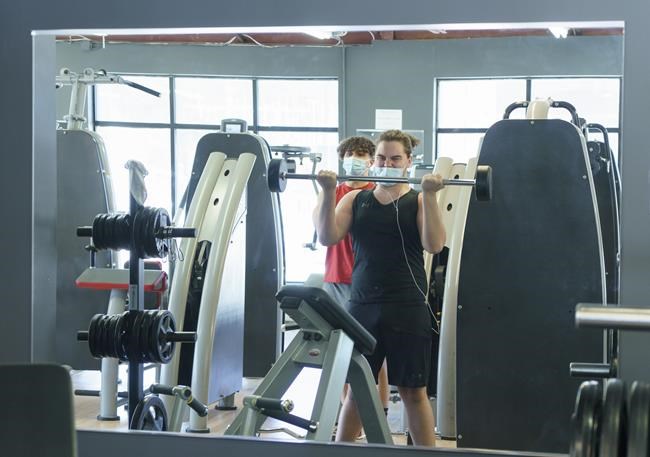
Aging can bring about significant challenges, particularly in maintaining physical independence. As muscles weaken over time in a process known as sarcopenia, many older adults find even simple tasks, like getting out of a chair, increasingly difficult. This decline leads to various complications, including trouble climbing stairs and an increased risk of hospitalization, ultimately threatening the ability to live independently.
The encouraging news is that strength training can effectively combat these challenges. Even modest amounts of strength training can help preserve muscle mass and maintain mobility. Building a “muscle savings account” is essential, especially since muscle loss occurs during periods of inactivity due to illness, surgery, or injury. Research shows that older adults do not recover muscle strength as quickly as younger individuals, making it crucial to proactively engage in strength training.
Understanding Muscle Loss and Its Implications
Muscle loss is not a gradual decline; rather, it resembles a staircase, with each incident—such as a fall or surgery—resulting in a significant drop in strength. These setbacks often lead to a long-term inability to regain lost muscle mass, further complicating recovery. Families may recognize this pattern: stories of loved ones who struggled to recover after a fall or surgery highlight the importance of having adequate muscle reserves to face health challenges.
The trajectory of muscle loss can be altered. The muscle built today can determine whether future health setbacks result in temporary difficulties or permanent limitations. Regular physical activity, particularly strength training, is vital for maintaining and increasing muscle mass. This type of training, which can be performed using weights, resistance bands, or even body weight, is essential for empowering older adults in daily activities and reducing the risk of falls.
Despite its importance, statistics reveal that only 42 percent of Canadians over age 65 adhere to recommended strength training guidelines. This gap leaves many vulnerable to the debilitating effects of muscle loss.
Demystifying Strength Training for All Ages
The perception that strength training requires lifting heavy weights can deter many from engaging in this beneficial practice. However, research, including work from Stuart Phillips at McMaster University, indicates that lighter weights can also yield significant muscle gains. Studies show that one weekly session of lighter-weight strength training is sufficient to build both muscle and strength.
To gauge if a weight is appropriate, individuals should aim to feel fatigued after 20-25 repetitions. If they can comfortably exceed this number, it may be time to increase the weight. While more frequent sessions can lead to quicker results, the critical threshold is simply moving from no exercise to engaging in at least one session per week.
For beginners, the key is to start, rather than striving for perfection. A basic set of dumbbells or resistance bands can facilitate workouts at home, eliminating the need for gym memberships or intimidating environments. The fundamental message remains clear: one strength training session per week is far better than none.
Building muscle gradually provides essential protection against the inevitable losses that accompany aging and illness. By beginning strength training today, individuals can safeguard their future independence, ensuring they can continue to perform daily activities, such as climbing stairs and carrying groceries, with confidence.
This article underscores the importance of strength training across all ages, particularly for older adults. As individuals take steps to build their muscle reserves, they not only improve their current quality of life but also set a foundation for future health and independence.
Tom Janssen is a PhD candidate at McMaster University, and Matthew Lees is a postdoctoral fellow in the department of kinesiology at McMaster University. This information reflects their findings and insights into the significant impact of strength training on aging populations.

Meta Plans Major Layoffs as AI Costs Surge

Alberta’s Referendum Could Pave Way for U.S. Statehood

Minooka District 201 Plans Enhanced Bilingual Support for Students

Canmore Approves Multiple Development Permits for New Projects

Remembering Bradly Castillo Shearsmith: A Life of Friendship and Joy

BIS Urges Watchdogs to Integrate Synthetic Risk Transfers in Stress Tests

Teva Transforms: Shifting Focus from Generics to Branded Success

Apple Launches AirPods Max 2 with Enhanced Audio Features

Ontario Ends Funding for Seven Supervised Injection Sites

Toyoake City Proposes Daily Two-Hour Smartphone Use Limit

Pedestrian Fatally Injured in Esquimalt Collision on August 14

B.C. Review Reveals Urgent Need for Rare-Disease Drug Reforms

Dark Adventure Game “Bye Sweet Carole” Set for October Release

Konami Revives Iconic Metal Gear Solid Delta Ahead of Release

Victoria’s Pop-Up Shop Shines Light on B.C.’s Wolf Cull

Jimmy Lai’s Defense Challenges Charges Under National Security Law

Snapmaker U1 Color 3D Printer Redefines Speed and Sustainability

Apple Expands Self-Service Repair Program to Canada
-
 Science11 months ago
Toyoake City Proposes Daily Two-Hour Smartphone Use Limit
-
 Top Stories11 months ago
Pedestrian Fatally Injured in Esquimalt Collision on August 14
-
 Health11 months ago
B.C. Review Reveals Urgent Need for Rare-Disease Drug Reforms
-
 Technology11 months ago
Dark Adventure Game “Bye Sweet Carole” Set for October Release
-
 Technology11 months ago
Konami Revives Iconic Metal Gear Solid Delta Ahead of Release
-
 Lifestyle11 months ago
Victoria’s Pop-Up Shop Shines Light on B.C.’s Wolf Cull
-
 World11 months ago
Jimmy Lai’s Defense Challenges Charges Under National Security Law
-
 Technology11 months ago
Snapmaker U1 Color 3D Printer Redefines Speed and Sustainability
-
 Technology11 months ago
Apple Expands Self-Service Repair Program to Canada
-

 Technology11 months ago
AION Folding Knife: Redefining EDC Design with Premium Materials
-

 Technology11 months ago
Solve Today’s Wordle Challenge: Hints and Answer for August 19
-

 Business11 months ago
Gordon Murray Automotive Unveils S1 LM and Le Mans GTR at Monterey