
Health
Strengthen Your Social Connections: Embrace Social Fitness This Winter

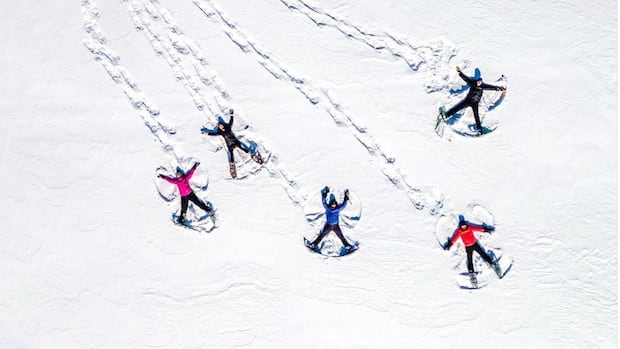
As winter approaches, experts are urging individuals to prioritize their social interactions as part of a broader commitment to health. Professor Troy Glover from the University of Waterloo emphasizes the importance of what he terms “social fitness.” He advocates for incorporating this concept into New Year’s resolutions for 2026 to combat the detrimental effects of social isolation.
Social isolation can significantly impact mental, physical, and emotional well-being. Research indicates that loneliness may increase the risk of early mortality, making the cultivation of social connections crucial. Glover noted in an interview on CBC Radio that over 15 years of research has highlighted the strong link between social health and overall well-being. “Social fitness is being proactive and intentional about engaging in positive social interactions,” he explained.
Understanding the Impact of Social Isolation
Glover pointed out that social isolation affects individuals of all ages. He remarked, “We’re living through an age where increasingly the activities in which we engage tend to be solitary.” Many people are unaware of their loneliness, as modern distractions often dull the natural signals that prompt social engagement. The professor stresses a need for awareness and proactive measures to counteract this trend.
To enhance social fitness, Glover encourages simple yet effective practices. Interacting with neighbors, initiating conversations with strangers, and engaging in small talk can significantly improve one’s social connections. Taking these steps can help individuals feel more connected and less isolated during the winter months.
Addressing Winter Mental Health Challenges
The winter season can exacerbate feelings of isolation, leading to increased demand for mental health support. Homewood Health, a mental health treatment centre based in Guelph, Canada, is addressing these challenges through its “Winter Wellbeing Mental Health Series.” This collection of videos offers various strategies aimed at promoting mental wellness throughout the winter, not just during the holiday season.
Gabrielle Provencher, director of enhanced mental health care at Homewood Health, highlighted a significant pattern observed in mental health care demand. “We see a big dip in demand for mental health care in December, followed by a spike in January,” she noted. The pressures of holiday commercialization can amplify feelings of comparison and inadequacy, as many Canadians face challenges related to grief, loss, and recovery during this time. Provencher added, “The imagery of large family gatherings and abundance is simply not a reality for everyone.”
The Winter Wellbeing Mental Health Series is now accessible on Homewood Health’s YouTube channel, providing valuable resources aimed at improving mental wellness during the darker winter months.
As the New Year approaches, individuals are encouraged to reflect on their resolutions, considering the profound impact of social connections on mental health. Making a conscious effort to enhance social fitness can lead to improved overall well-being, making this winter a season of connection rather than isolation.

Meta Plans Major Layoffs as AI Costs Surge

Alberta’s Referendum Could Pave Way for U.S. Statehood

Minooka District 201 Plans Enhanced Bilingual Support for Students

Canmore Approves Multiple Development Permits for New Projects

Remembering Bradly Castillo Shearsmith: A Life of Friendship and Joy

BIS Urges Watchdogs to Integrate Synthetic Risk Transfers in Stress Tests

Teva Transforms: Shifting Focus from Generics to Branded Success

Apple Launches AirPods Max 2 with Enhanced Audio Features

Ontario Ends Funding for Seven Supervised Injection Sites

Toyoake City Proposes Daily Two-Hour Smartphone Use Limit

Pedestrian Fatally Injured in Esquimalt Collision on August 14

B.C. Review Reveals Urgent Need for Rare-Disease Drug Reforms

Dark Adventure Game “Bye Sweet Carole” Set for October Release

Konami Revives Iconic Metal Gear Solid Delta Ahead of Release

Victoria’s Pop-Up Shop Shines Light on B.C.’s Wolf Cull

Jimmy Lai’s Defense Challenges Charges Under National Security Law

Snapmaker U1 Color 3D Printer Redefines Speed and Sustainability

Apple Expands Self-Service Repair Program to Canada
-
 Science1 year ago
Toyoake City Proposes Daily Two-Hour Smartphone Use Limit
-
 Top Stories1 year ago
Pedestrian Fatally Injured in Esquimalt Collision on August 14
-
 Health1 year ago
B.C. Review Reveals Urgent Need for Rare-Disease Drug Reforms
-
 Technology1 year ago
Dark Adventure Game “Bye Sweet Carole” Set for October Release
-
 Technology1 year ago
Konami Revives Iconic Metal Gear Solid Delta Ahead of Release
-
 Lifestyle1 year ago
Victoria’s Pop-Up Shop Shines Light on B.C.’s Wolf Cull
-
 World1 year ago
Jimmy Lai’s Defense Challenges Charges Under National Security Law
-
 Technology1 year ago
Snapmaker U1 Color 3D Printer Redefines Speed and Sustainability
-
 Technology1 year ago
Apple Expands Self-Service Repair Program to Canada
-

 Technology1 year ago
AION Folding Knife: Redefining EDC Design with Premium Materials
-

 Technology1 year ago
Solve Today’s Wordle Challenge: Hints and Answer for August 19
-

 Business1 year ago
Gordon Murray Automotive Unveils S1 LM and Le Mans GTR at Monterey