
Health
U.S. Health Officials Push for HPV Self-Testing Access in Canada

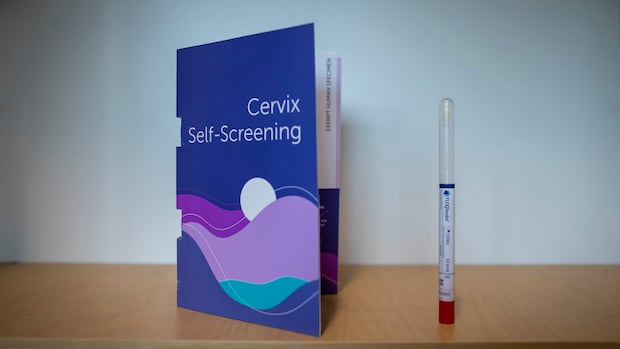
U.S. health officials are advocating for increased access to at-home self-testing kits for the human papillomavirus (HPV), a key move that highlights a disparity in availability in Canada. The Health Resources and Services Administration issued new recommendations on March 15, 2024, that will facilitate self-testing options for women and individuals assigned female at birth, aiming to enhance cervical cancer prevention efforts.
The shift marks a significant departure from traditional Pap tests, as HPV screenings can be performed by both healthcare providers and individuals themselves. Early detection of cervical cancer through regular screening can lead to a five-year survival rate of up to 90 percent. Despite increasing recommendations for HPV screening across several jurisdictions in Canada, self-administered tests remain largely unavailable, with British Columbia being the only province currently providing these kits.
How At-Home HPV Tests Function
At-home HPV tests operate similarly to rapid COVID-19 tests. Individuals use a swab to collect a sample from within the vagina, without the discomfort associated with a speculum required in Pap tests. Unlike the rapid results of COVID tests, samples from HPV screenings must be sent to a laboratory for analysis.
This method of self-collection has been linked to increased screening rates, especially among individuals who have never been tested or who tend to avoid clinical settings. The Canadian Partnership Against Cancer indicates that self-testing can significantly enhance participation in cervical cancer screenings.
Comparing Testing Methods and Availability
While Pap smears focus on detecting abnormal or precancerous cells in the cervix, their accuracy is reported at less than 60 percent, according to a 2022 study by the Canadian Medical Association Journal. In contrast, HPV tests, which identify the virus’s DNA, boast an accuracy rate exceeding 90 percent. Although a positive result does not guarantee cancer, it may necessitate further examinations, including a Pap test.
As cervical cancer rates plateau in Canada, recent data from the Canadian Cancer Society highlights the need for improved screening access. Cervical cancer is not among the leading causes of cancer deaths among females in Canada; however, the 430 deaths projected for 2025 were deemed potentially preventable.
Currently, Health Canada recommends Pap tests every three years and HPV screenings every five years. In an effort to bridge the equity gap in testing, a report published on September 26, 2023, emphasizes the importance of self-screening to reach underrepresented populations.
British Columbia became a pioneer by introducing an HPV self-screening program in January 2024. Following this, Prince Edward Island initiated a pilot program, with plans for phased clinical rollout pending guideline reviews. Several provinces, including Alberta, Manitoba, and Newfoundland and Labrador, have conducted pilot projects, while Ontario provides HPV self-testing, although it is not covered by provincial insurance.
In contrast, the recent U.S. recommendations allow women and people assigned female at birth between the ages of 30 to 65 with average cervical cancer risk to self-test, with most private insurers required to cover the costs starting January 1, 2027. The American Cancer Society estimates that approximately 13,000 new cervical cancer cases are diagnosed annually in the U.S., leading to around 4,300 deaths each year due to the disease.
Access to HPV vaccines has contributed to a decline in infection rates, though recent evidence suggests that progress has stalled. Health Canada reports that 75 percent of sexually active individuals will contract at least one HPV infection in their lifetime, often without symptoms.
Addressing the stagnation in cervical cancer rates is essential. Wider access to HPV testing and vaccination could be pivotal in preventing this disease, with advocates emphasizing that comprehensive screening and education are necessary to eliminate cervical cancer altogether.

Meta Plans Major Layoffs as AI Costs Surge

Alberta’s Referendum Could Pave Way for U.S. Statehood

Minooka District 201 Plans Enhanced Bilingual Support for Students

Canmore Approves Multiple Development Permits for New Projects

Remembering Bradly Castillo Shearsmith: A Life of Friendship and Joy

BIS Urges Watchdogs to Integrate Synthetic Risk Transfers in Stress Tests

Teva Transforms: Shifting Focus from Generics to Branded Success

Apple Launches AirPods Max 2 with Enhanced Audio Features

Ontario Ends Funding for Seven Supervised Injection Sites

Toyoake City Proposes Daily Two-Hour Smartphone Use Limit

Pedestrian Fatally Injured in Esquimalt Collision on August 14

B.C. Review Reveals Urgent Need for Rare-Disease Drug Reforms

Dark Adventure Game “Bye Sweet Carole” Set for October Release

Konami Revives Iconic Metal Gear Solid Delta Ahead of Release

Victoria’s Pop-Up Shop Shines Light on B.C.’s Wolf Cull

Jimmy Lai’s Defense Challenges Charges Under National Security Law

Snapmaker U1 Color 3D Printer Redefines Speed and Sustainability

Apple Expands Self-Service Repair Program to Canada
-
 Science11 months ago
Toyoake City Proposes Daily Two-Hour Smartphone Use Limit
-
 Top Stories11 months ago
Pedestrian Fatally Injured in Esquimalt Collision on August 14
-
 Health11 months ago
B.C. Review Reveals Urgent Need for Rare-Disease Drug Reforms
-
 Technology11 months ago
Dark Adventure Game “Bye Sweet Carole” Set for October Release
-
 Technology11 months ago
Konami Revives Iconic Metal Gear Solid Delta Ahead of Release
-
 Lifestyle11 months ago
Victoria’s Pop-Up Shop Shines Light on B.C.’s Wolf Cull
-
 World11 months ago
Jimmy Lai’s Defense Challenges Charges Under National Security Law
-
 Technology11 months ago
Snapmaker U1 Color 3D Printer Redefines Speed and Sustainability
-
 Technology11 months ago
Apple Expands Self-Service Repair Program to Canada
-

 Technology11 months ago
AION Folding Knife: Redefining EDC Design with Premium Materials
-

 Technology11 months ago
Solve Today’s Wordle Challenge: Hints and Answer for August 19
-

 Business11 months ago
Gordon Murray Automotive Unveils S1 LM and Le Mans GTR at Monterey