
Lifestyle
Canadian Restaurants Face Tough Times with 7,000 Closures in 2025

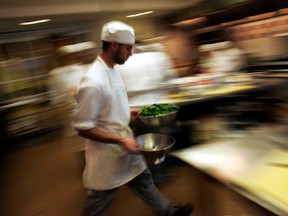
The Canadian restaurant industry is grappling with significant challenges, as a recent report reveals that approximately 7,000 restaurants closed in 2025. This troubling trend stems from rising operational costs, declining demand, and a notable decrease in alcohol sales. According to a forecast by Dalhousie University’s Agri-Food Analytics Lab (AAL), the sector is projected to lose an additional 4,000 restaurants on a net basis in 2026.
The report highlights a prolonged period of economic strain on the restaurant sector, which has been evident since 2021. Economic supports such as pandemic wage subsidies and rent relief temporarily mitigated closures, but the industry now faces new pressures as the overall economic landscape shifts. Sylvain Charlebois, director of the AAL, emphasized that “business closures do not occur when conditions deteriorate; they occur when resilience is depleted.”
Economic Pressures and Industry Dynamics
The AAL’s analysis reveals that many restaurant owners have exhausted personal capital and postponed difficult decisions, hoping for an improvement that has yet to materialize. By 2026, the reality of the situation becomes unavoidable. Charlebois pointed out that while official statistics suggest a resilient restaurant landscape, the reality on the ground tells a different story. Many registered food service establishments lack employees and may not be operational, which skews the perception of industry health.
While some data indicates growth in the number of food service establishments, Charlebois cautions that this growth is misleading. The sector’s apparent recovery since the pandemic masks deeper issues affecting independent restaurants, which are vital for culinary innovation and local culture.
Rising rents and labor costs further compound the challenges faced by restaurant owners. A survey conducted by Restaurants Canada revealed that 41 percent of Canadians limited their restaurant visits due to financial concerns, identifying affordability as the primary barrier to dining out. This shift in consumer behavior has resulted in reduced spending, with many respondents indicating they spend less than $50 per month on takeout and dining experiences.
Alcohol Sales Decline and Future Outlook
The forecast for 2026 indicates that restaurants will become even more expensive, with anticipated cost increases of four to six percent. One of the most significant changes affecting profitability is the decline in alcohol sales, which have historically represented a large source of revenue for restaurants. As Canadians consume less alcohol due to rising prices and changing social norms, the impact is felt across the industry.
Charlebois noted that “when people drink less, it’s much harder to run a profit,” especially when customers are also ordering fewer appetizers and desserts. This trend poses a substantial risk to independent establishments, which often rely on innovative menus and unique offerings to attract customers.
While the AAL predicts a decrease in net closures for 2026 compared to 2025, the independent restaurant sector is expected to bear the brunt of these economic pressures. The disappearance of these establishments would not only impact the economy but also diminish the culinary diversity that enriches local communities.
In conclusion, the Canadian restaurant industry faces an uphill battle as it navigates a landscape marked by economic stress, changing consumer behavior, and rising costs. The upcoming years will be critical in determining the future of this vital sector.

Meta Plans Major Layoffs as AI Costs Surge

Alberta’s Referendum Could Pave Way for U.S. Statehood

Minooka District 201 Plans Enhanced Bilingual Support for Students

Canmore Approves Multiple Development Permits for New Projects

Remembering Bradly Castillo Shearsmith: A Life of Friendship and Joy

BIS Urges Watchdogs to Integrate Synthetic Risk Transfers in Stress Tests

Teva Transforms: Shifting Focus from Generics to Branded Success

Apple Launches AirPods Max 2 with Enhanced Audio Features

Ontario Ends Funding for Seven Supervised Injection Sites

Toyoake City Proposes Daily Two-Hour Smartphone Use Limit

Pedestrian Fatally Injured in Esquimalt Collision on August 14

B.C. Review Reveals Urgent Need for Rare-Disease Drug Reforms

Dark Adventure Game “Bye Sweet Carole” Set for October Release

Konami Revives Iconic Metal Gear Solid Delta Ahead of Release

Victoria’s Pop-Up Shop Shines Light on B.C.’s Wolf Cull

Jimmy Lai’s Defense Challenges Charges Under National Security Law

Snapmaker U1 Color 3D Printer Redefines Speed and Sustainability

Apple Expands Self-Service Repair Program to Canada
-
 Science11 months ago
Toyoake City Proposes Daily Two-Hour Smartphone Use Limit
-
 Top Stories11 months ago
Pedestrian Fatally Injured in Esquimalt Collision on August 14
-
 Health11 months ago
B.C. Review Reveals Urgent Need for Rare-Disease Drug Reforms
-
 Technology11 months ago
Dark Adventure Game “Bye Sweet Carole” Set for October Release
-
 Technology11 months ago
Konami Revives Iconic Metal Gear Solid Delta Ahead of Release
-
 Lifestyle11 months ago
Victoria’s Pop-Up Shop Shines Light on B.C.’s Wolf Cull
-
 World11 months ago
Jimmy Lai’s Defense Challenges Charges Under National Security Law
-
 Technology11 months ago
Snapmaker U1 Color 3D Printer Redefines Speed and Sustainability
-
 Technology11 months ago
Apple Expands Self-Service Repair Program to Canada
-

 Technology11 months ago
AION Folding Knife: Redefining EDC Design with Premium Materials
-

 Technology11 months ago
Solve Today’s Wordle Challenge: Hints and Answer for August 19
-

 Business11 months ago
Gordon Murray Automotive Unveils S1 LM and Le Mans GTR at Monterey