
Science
AI Distorts Body Image Standards for Athletes, Study Reveals

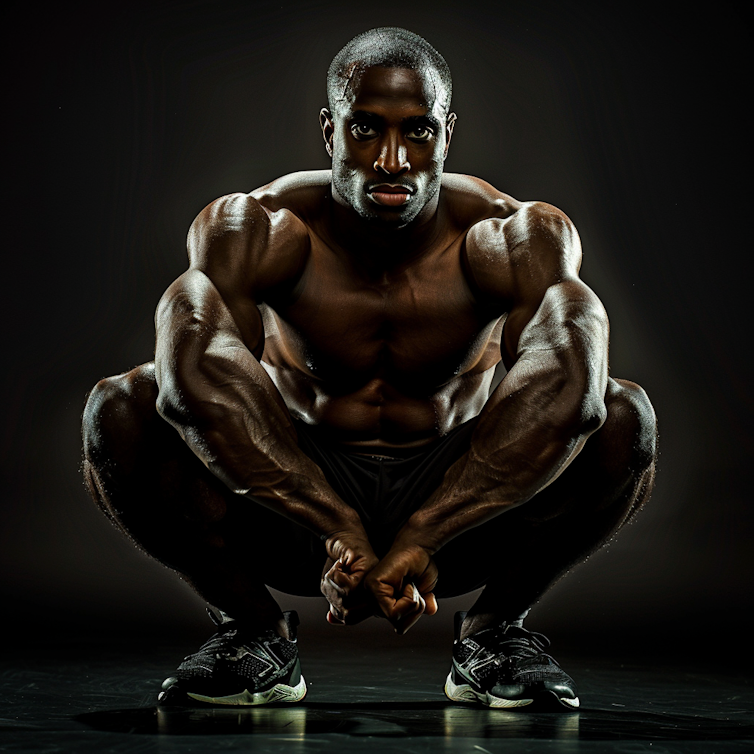
A recent study from the University of Toronto reveals that artificial intelligence (AI) is contributing to unrealistic body ideals, particularly for athletes. The research highlights how AI-generated images of both male and female athletes perpetuate narrow standards of attractiveness, leading to a concerning impact on body image and mental health.
The study involved analyzing 300 AI-created images, focusing on the physical traits of athletes and non-athletes. Researchers documented various characteristics, including body fat, muscularity, clothing fit, and facial attractiveness. They aimed to explore how AI depicts bodies, particularly in the context of gender and athleticism.
AI-generated images overwhelmingly presented male athletes as young (93.3 percent), lean (68.4 percent), and muscular (54.2 percent). In stark contrast, images of female athletes depicted 100 percent youthfulness, 87.5 percent thinness, and 87.5 percent in revealing clothing. Notably, the images of athletes featured a predominance of lean bodies (98.4 percent) and muscular physiques (93.4 percent), with 100 percent dressed in tight or revealing exercise gear.
This study raises significant concerns about the portrayal of athletes. Non-athletes depicted in AI images showed more diversity in body sizes and were often dressed in looser clothing. Alarmingly, when researchers requested images of just “an athlete,” 90 percent of the results were male, and none included visible disabilities, larger bodies, or signs of aging.
Implications for Body Image and Performance
The implications of these findings are profound. With more than 4.6 billion individuals using social media and 71 percent of images generated by AI, the constant exposure to idealized body types can lead to negative self-perception. Many may feel pressured to conform to these standards, potentially resulting in harmful behaviors such as extreme dieting or abandoning sports altogether.
According to the study, negative body image not only affects personal well-being but also impacts academic and athletic performance. Conversely, maintaining an active lifestyle can improve body image, yet negative perceptions often lead to withdrawal from physical activities.
Strikingly, approximately 27 percent of Canadians over the age of 15 live with at least one disability. The absence of individuals with visible disabilities in AI-generated imagery reflects a significant gap in representation that could further alienate these communities.
Addressing Bias in AI Representations
The findings underscore a broader issue: AI does not create original representations but rather recycles existing biases from a vast database of online media. As such, it perpetuates harmful stereotypes and unrealistic body ideals. The researchers noted that AI-generated images tend to reinforce narrow definitions of attractiveness, which can lead to greater feelings of isolation among those who do not fit these ideals.
As society plays a critical role in shaping the visual content that informs AI systems, there is a collective responsibility to challenge and diversify the body standards that are propagated. The researchers advocate for intentionality in how users create prompts for AI-generated images and a critical examination of the results produced.
To foster a healthier portrayal of bodies, individuals must actively push for AI to reflect the diversity of human experiences. As AI-generated images increasingly dominate the media landscape, it is essential to recognize and value all body types, ensuring that these technologies do not continue to reinforce ableism, racism, fatphobia, or ageism.
Catherine Sabiston, one of the study’s authors, is supported by the Canada Research Chairs Program. Co-authors Delaney Thibodeau and Sasha Gollish have disclosed no relevant affiliations beyond their academic roles. As the discussion around AI continues, understanding its impact on body image is vital for creating a more inclusive and healthy society.

Meta Plans Major Layoffs as AI Costs Surge

Alberta’s Referendum Could Pave Way for U.S. Statehood

Minooka District 201 Plans Enhanced Bilingual Support for Students

Canmore Approves Multiple Development Permits for New Projects

Remembering Bradly Castillo Shearsmith: A Life of Friendship and Joy

BIS Urges Watchdogs to Integrate Synthetic Risk Transfers in Stress Tests

Teva Transforms: Shifting Focus from Generics to Branded Success

Apple Launches AirPods Max 2 with Enhanced Audio Features

Ontario Ends Funding for Seven Supervised Injection Sites

Toyoake City Proposes Daily Two-Hour Smartphone Use Limit

Pedestrian Fatally Injured in Esquimalt Collision on August 14

B.C. Review Reveals Urgent Need for Rare-Disease Drug Reforms

Dark Adventure Game “Bye Sweet Carole” Set for October Release

Konami Revives Iconic Metal Gear Solid Delta Ahead of Release

Victoria’s Pop-Up Shop Shines Light on B.C.’s Wolf Cull

Jimmy Lai’s Defense Challenges Charges Under National Security Law

Snapmaker U1 Color 3D Printer Redefines Speed and Sustainability

Apple Expands Self-Service Repair Program to Canada
-
 Science12 months ago
Toyoake City Proposes Daily Two-Hour Smartphone Use Limit
-
 Top Stories12 months ago
Pedestrian Fatally Injured in Esquimalt Collision on August 14
-
 Health12 months ago
B.C. Review Reveals Urgent Need for Rare-Disease Drug Reforms
-
 Technology12 months ago
Dark Adventure Game “Bye Sweet Carole” Set for October Release
-
 Technology12 months ago
Konami Revives Iconic Metal Gear Solid Delta Ahead of Release
-
 Lifestyle12 months ago
Victoria’s Pop-Up Shop Shines Light on B.C.’s Wolf Cull
-
 World12 months ago
Jimmy Lai’s Defense Challenges Charges Under National Security Law
-
 Technology12 months ago
Snapmaker U1 Color 3D Printer Redefines Speed and Sustainability
-
 Technology12 months ago
Apple Expands Self-Service Repair Program to Canada
-

 Technology12 months ago
AION Folding Knife: Redefining EDC Design with Premium Materials
-

 Technology12 months ago
Solve Today’s Wordle Challenge: Hints and Answer for August 19
-

 Business12 months ago
Gordon Murray Automotive Unveils S1 LM and Le Mans GTR at Monterey