
Science
AI Outshines Average Humans in Creativity Tests, Study Reveals

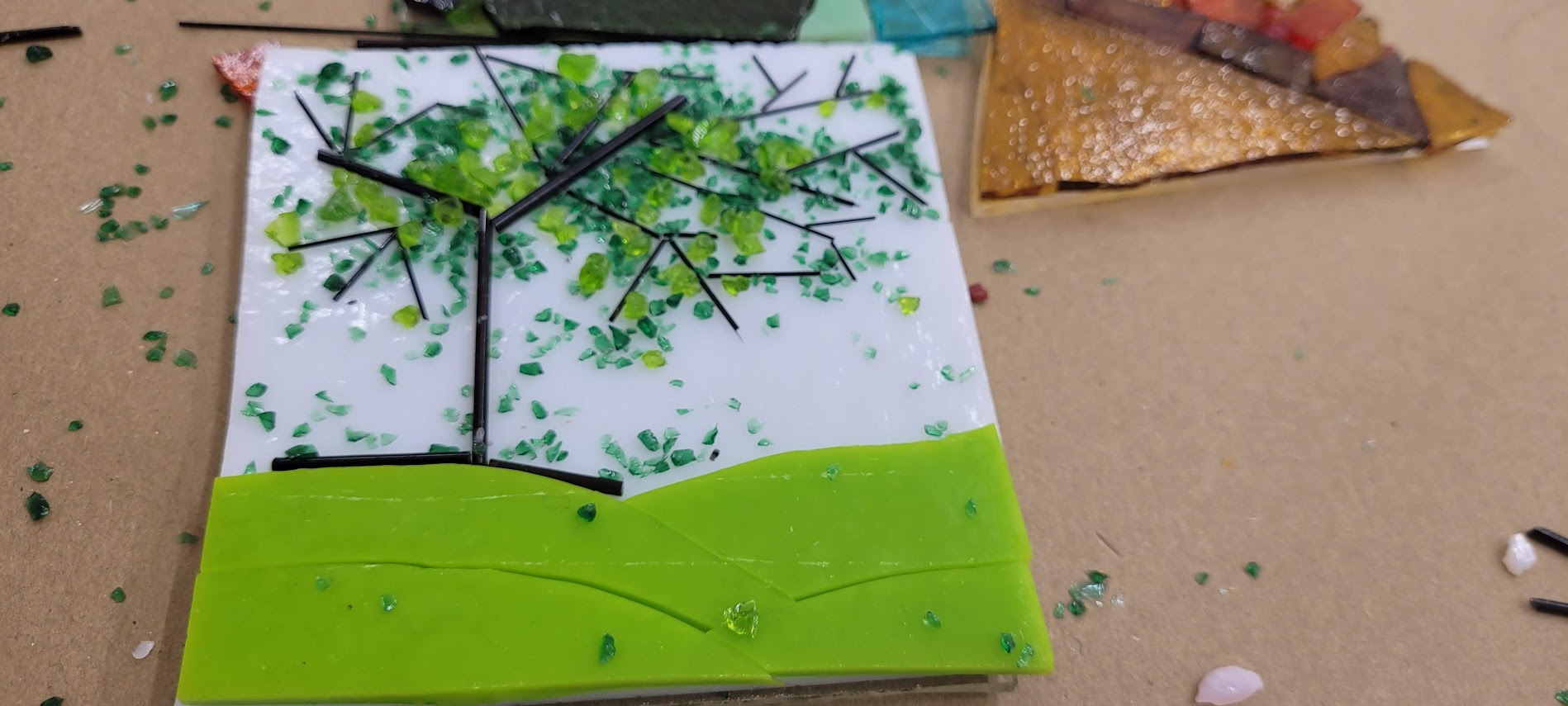
A recent study conducted by Professor Karim Jerbi from the Université de Montréal has revealed that advanced generative AI models can surpass the average human in specific creativity tests. The research, which compared over 100,000 human participants to some of the most sophisticated AI systems, including GPT-4, indicates a significant shift in how creativity is measured and understood across both humans and machines.
The findings suggest that while AI can excel in particular creative tasks, the most innovative humans maintain a definitive edge, particularly in fields that require richer forms of expression, such as poetry and storytelling. The study is notable for being the largest direct comparison of human and AI creativity to date.
AI Models Achieve New Heights in Creativity
The research team evaluated several prominent large language models, including ChatGPT, Claude, and Gemini, using the Divergent Association Task (DAT). This psychological test is designed to measure divergent thinking, which involves generating multiple original ideas from a single prompt. The results demonstrated that models such as GPT-4 could outperform average human scores on tasks specifically tailored to assess divergent linguistic creativity.
“Our study shows that some AI systems based on large language models can now outperform average human creativity on well-defined tasks,” stated Jerbi in a research brief. “This result may be surprising — even unsettling — but our study also highlights an equally important observation: even the best AI systems still fall short of the levels reached by the most creative humans.”
Measuring Creativity: Methods and Implications
To ensure a fair evaluation of creativity, the research employed diverse methods, primarily focusing on the DAT. In this task, participants are asked to name ten nouns that are as unrelated as possible, encouraging divergent thinking. The effectiveness of this task is linked to its broader cognitive engagement, which extends beyond vocabulary to encompass various creative domains.
Following the initial analysis, the researchers explored whether the AI’s success in word association could translate into more complex creative activities. They assessed the abilities of both AI systems and human participants in creative writing tasks, such as composing haikus and developing movie plot summaries. While AI occasionally matched average human performance, skilled human creators consistently produced more original and impactful content.
The study also examined the flexibility of AI creativity. It was found that the creativity of AI can be influenced by adjusting specific technical parameters—particularly the model’s temperature setting. Lower temperatures yield more predictable outputs, whereas higher temperatures lead to more varied and imaginative responses. This finding underscores the importance of human input in the creative process, suggesting that effective prompting significantly enhances AI creativity.
The implications of these results challenge the prevailing fears that AI could replace human creators. Although AI can match or even exceed average human creativity in certain tasks, it remains dependent on human guidance. “Even though AI can now reach human-level creativity on certain tests, we need to move beyond this misleading sense of competition,” Jerbi added. “Generative AI has above all become an extremely powerful tool in the service of human creativity.”
Rather than indicating an end to creative professions, the findings suggest a collaborative future where AI serves as a creative assistant. By enhancing and expanding ideas, AI can amplify human imagination, opening new avenues for exploration and creation.
The full research is published in the journal Scientific Reports under the title “Divergent creativity in humans and large language models.” The study represents a critical perspective in understanding the evolving relationship between humans and AI in the realm of creativity.

Meta Plans Major Layoffs as AI Costs Surge

Alberta’s Referendum Could Pave Way for U.S. Statehood

Minooka District 201 Plans Enhanced Bilingual Support for Students

Canmore Approves Multiple Development Permits for New Projects

Remembering Bradly Castillo Shearsmith: A Life of Friendship and Joy

BIS Urges Watchdogs to Integrate Synthetic Risk Transfers in Stress Tests

Teva Transforms: Shifting Focus from Generics to Branded Success

Apple Launches AirPods Max 2 with Enhanced Audio Features

Ontario Ends Funding for Seven Supervised Injection Sites

Toyoake City Proposes Daily Two-Hour Smartphone Use Limit

Pedestrian Fatally Injured in Esquimalt Collision on August 14

B.C. Review Reveals Urgent Need for Rare-Disease Drug Reforms

Dark Adventure Game “Bye Sweet Carole” Set for October Release

Konami Revives Iconic Metal Gear Solid Delta Ahead of Release

Jimmy Lai’s Defense Challenges Charges Under National Security Law

Victoria’s Pop-Up Shop Shines Light on B.C.’s Wolf Cull

Snapmaker U1 Color 3D Printer Redefines Speed and Sustainability

Apple Expands Self-Service Repair Program to Canada
-
 Science11 months ago
Toyoake City Proposes Daily Two-Hour Smartphone Use Limit
-
 Top Stories11 months ago
Pedestrian Fatally Injured in Esquimalt Collision on August 14
-
 Health11 months ago
B.C. Review Reveals Urgent Need for Rare-Disease Drug Reforms
-
 Technology11 months ago
Dark Adventure Game “Bye Sweet Carole” Set for October Release
-
 Technology11 months ago
Konami Revives Iconic Metal Gear Solid Delta Ahead of Release
-
 World11 months ago
Jimmy Lai’s Defense Challenges Charges Under National Security Law
-
 Lifestyle11 months ago
Victoria’s Pop-Up Shop Shines Light on B.C.’s Wolf Cull
-
 Technology11 months ago
Snapmaker U1 Color 3D Printer Redefines Speed and Sustainability
-
 Technology11 months ago
Apple Expands Self-Service Repair Program to Canada
-

 Technology11 months ago
AION Folding Knife: Redefining EDC Design with Premium Materials
-

 Technology11 months ago
Solve Today’s Wordle Challenge: Hints and Answer for August 19
-

 Business11 months ago
Gordon Murray Automotive Unveils S1 LM and Le Mans GTR at Monterey