
Science
Animals Adapt Body Temperature for Survival in Harsh Conditions

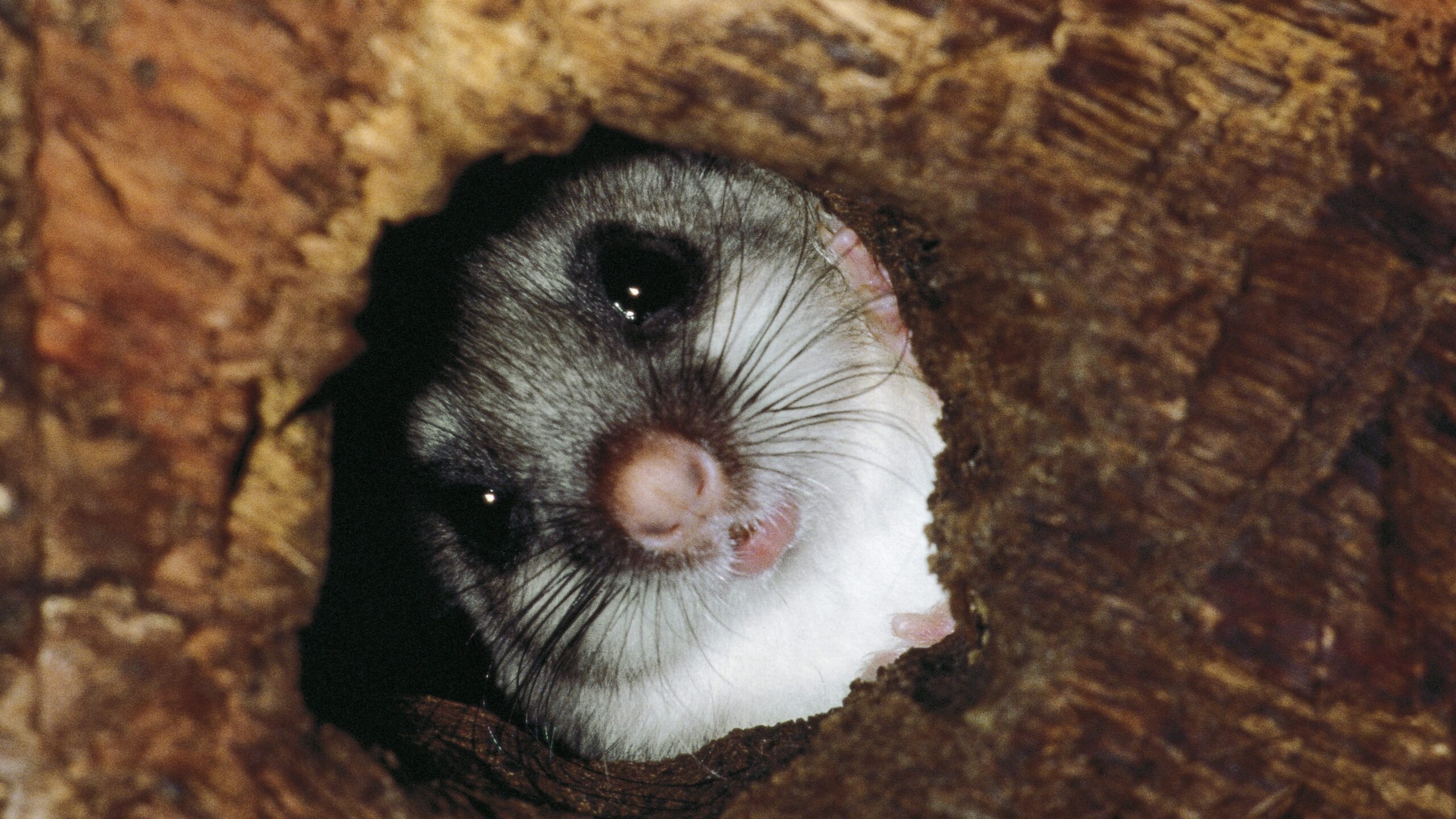
In a remarkable exploration of animal physiology, researchers are uncovering how certain species adapt their body temperatures to thrive in extreme environments. This flexibility, known as heterothermy, is observed in various mammals and birds, enabling them to survive fluctuations in their surroundings. The phenomenon challenges long-held beliefs about the rigid temperature regulation seen in many homeothermic animals, such as humans.
In 1774, British physician Charles Blagden famously tested his limits in a scorching room, witnessing his body temperature remain stable at 98°F (37°C) even as the surroundings soared to nearly 200°F (93°C). This early experiment laid the groundwork for understanding how some animals, unlike humans, exhibit considerable variability in their body temperatures. Notably, the fat-tailed dwarf lemur can experience temperature shifts of almost 45°F (25°C) within a single day.
Emerging research indicates a broader range of species employs this adaptive strategy. According to Danielle Levesque, a mammalian ecophysiologist at the University of Maine, advancements in tracking technology have revealed that many animals exhibit behaviors that diverge from traditional homeothermic standards.
Understanding Hibernation and Torpor
The most recognized form of heterothermy is hibernation, extensively studied in species that need to conserve energy during the cold winters of the Northern Hemisphere. During hibernation, animals enter deep torpor, significantly slowing their metabolism and allowing their body temperatures to drop just above freezing. However, scientists are now recognizing that torpor exists on a spectrum, with many mammals capable of shorter, shallow bouts of torpor as necessary.
For instance, Australian eastern long-eared bats modify their torpor responses based on daily weather changes. Research published in Oecologia in 2021 by Mari Aas Fjelldal and colleagues found that these bats entered torpor more frequently during cold spells, rain, or high winds. This behavior is crucial for energy conservation, as foraging becomes increasingly challenging under adverse conditions.
Additionally, pregnant hoary bats have been observed entering torpor during unpredictable spring storms, effectively delaying their pregnancies until conditions improve. Fjelldal emphasizes the advantage of this strategy, as it allows bats to time their births for when food is more plentiful.
Flexible Responses to Environmental Stress
Other species, such as sugar gliders, show a different approach to temperature regulation. During extreme weather events, including storms with nearly 100 kilometers per hour winds, these marsupials are more likely to remain in their nests and enter torpor, lowering their body temperature from 94.1°F (34.5°C) to an average of 66°F (19°C).
In laboratory settings, researchers found that golden spiny mice could enter prolonged periods of torpor during simulated flooding events, lowering their temperature to approximately 75°F (24°C). This adaptability allows heterothermic species to endure environmental catastrophes that would challenge homeothermic animals.
Predation also influences torpor behaviors. For example, the edible dormouse sometimes enters extended torpor during early summer, likely to avoid nocturnal predators such as owls. This behavior, while perplexing at first, suggests that these small mammals prioritize survival over immediate reproductive opportunities.
Studies show that factors like lunar phases affect torpor usage in bats, with these animals spending more time torpid during fuller moons, when they are more visible to predators. The fat-tailed dunnart, a carnivorous marsupial, exhibits similar behavior, reducing foraging activities and increasing temperature variability in higher-risk environments.
Water Conservation and Future Implications
Researchers, including ecophysiologist Julia Nowack from Liverpool John Moores University, highlight that heterothermy serves as a vital conservation mechanism. During heat waves, Madagascar’s leaf-nosed bats can enter brief bouts of torpor lasting several minutes, or extend this to up to seven hours on particularly hot days. This behavior allows them to reduce their metabolism significantly and manage their water loss effectively.
In a study involving ringtail possums, raising body temperature by just 3°C (5.4°F) during heat waves saved these animals approximately 10 grams of water per hour. Such strategies are essential for survival, particularly as climate change continues to introduce unpredictable weather patterns.
While Blagden admired the human body’s ability to maintain a stable temperature, the growing understanding of heterothermy reveals that many animals gain survival advantages through flexible temperature regulation. This adaptability may become increasingly vital as environmental challenges escalate, emphasizing the importance of continued research in animal physiology and climate resilience.

Meta Plans Major Layoffs as AI Costs Surge

Alberta’s Referendum Could Pave Way for U.S. Statehood

Minooka District 201 Plans Enhanced Bilingual Support for Students

Canmore Approves Multiple Development Permits for New Projects

Remembering Bradly Castillo Shearsmith: A Life of Friendship and Joy

BIS Urges Watchdogs to Integrate Synthetic Risk Transfers in Stress Tests

Teva Transforms: Shifting Focus from Generics to Branded Success

Apple Launches AirPods Max 2 with Enhanced Audio Features

Ontario Ends Funding for Seven Supervised Injection Sites

Toyoake City Proposes Daily Two-Hour Smartphone Use Limit

Pedestrian Fatally Injured in Esquimalt Collision on August 14

B.C. Review Reveals Urgent Need for Rare-Disease Drug Reforms

Dark Adventure Game “Bye Sweet Carole” Set for October Release

Konami Revives Iconic Metal Gear Solid Delta Ahead of Release

Victoria’s Pop-Up Shop Shines Light on B.C.’s Wolf Cull

Jimmy Lai’s Defense Challenges Charges Under National Security Law

Snapmaker U1 Color 3D Printer Redefines Speed and Sustainability

Apple Expands Self-Service Repair Program to Canada
-
 Science12 months ago
Toyoake City Proposes Daily Two-Hour Smartphone Use Limit
-
 Top Stories12 months ago
Pedestrian Fatally Injured in Esquimalt Collision on August 14
-
 Health12 months ago
B.C. Review Reveals Urgent Need for Rare-Disease Drug Reforms
-
 Technology12 months ago
Dark Adventure Game “Bye Sweet Carole” Set for October Release
-
 Technology12 months ago
Konami Revives Iconic Metal Gear Solid Delta Ahead of Release
-
 Lifestyle12 months ago
Victoria’s Pop-Up Shop Shines Light on B.C.’s Wolf Cull
-
 World12 months ago
Jimmy Lai’s Defense Challenges Charges Under National Security Law
-
 Technology12 months ago
Snapmaker U1 Color 3D Printer Redefines Speed and Sustainability
-
 Technology12 months ago
Apple Expands Self-Service Repair Program to Canada
-

 Technology12 months ago
AION Folding Knife: Redefining EDC Design with Premium Materials
-

 Technology12 months ago
Solve Today’s Wordle Challenge: Hints and Answer for August 19
-

 Business12 months ago
Gordon Murray Automotive Unveils S1 LM and Le Mans GTR at Monterey