
Science
Dalhousie Researchers Explore Cow Communication Through Vocal Analysis

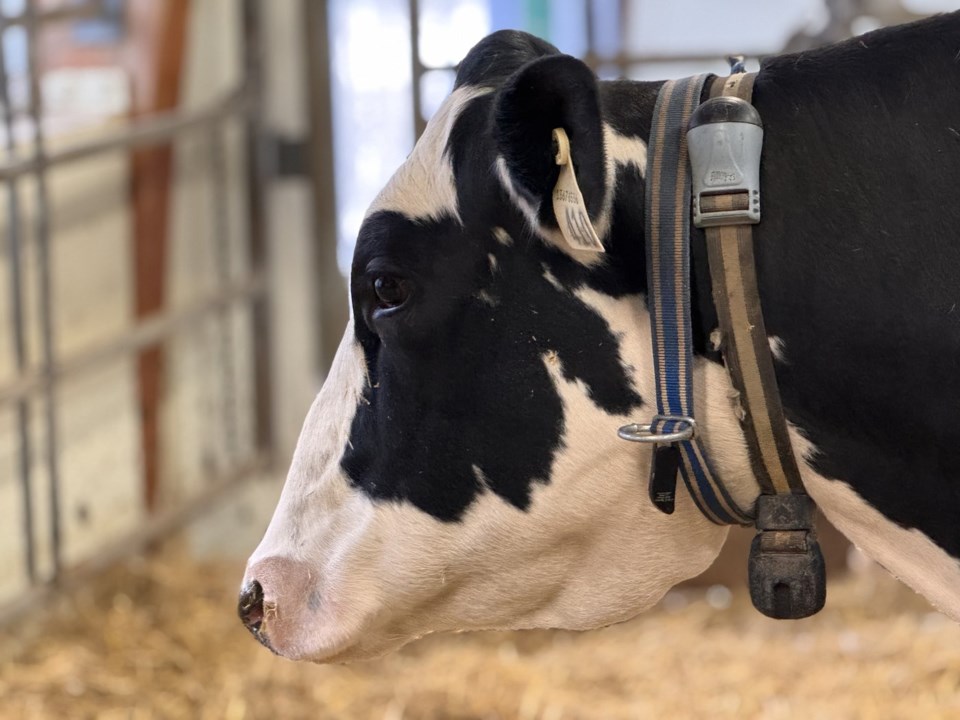
Researchers at Dalhousie University are making significant strides in understanding the vocalizations of cows, a topic of interest for farmers seeking to decipher animal communication. Led by Dr. Ghader Manafiazar, a professor in the faculty of agriculture, the team is recording and analyzing the sounds cows make, aiming to identify specific vocal patterns that could indicate their needs.
The project is based at Dalhousie’s agricultural campus in Truro, Nova Scotia, where the team has focused initially on the vocalizations of cows surrounding the calving process. By examining the sounds cows produce before and after calving, researchers hope to unveil crucial information about their behavior and emotional states.
Preliminary results from the research have been encouraging. The team has discovered that cows may have distinct vocal patterns, similar to human speech. This could lead to a better understanding of individual needs and behaviors among cows, potentially allowing farmers to respond more effectively to their livestock.
The implications of this research extend beyond mere curiosity. Understanding cow communication could significantly enhance animal welfare and farming practices. Livestock that are well-cared for are likely to be healthier and produce better yields, which is essential for the agricultural sector.
The next phase of the study will involve determining whether different cows exhibit unique vocal signatures. If successful, this could revolutionize how farmers interact with their herds, moving towards a more intuitive and responsive approach to animal husbandry.
This research highlights a growing interest in animal communication and the potential for technology to bridge the gap between humans and animals. By employing advanced recording techniques and data analysis, researchers are paving the way for a deeper comprehension of animal behavior.
As the study progresses, the team at Dalhousie University aims to publish their findings, contributing to the broader field of veterinary science and agriculture. The initial findings were reported by the Canadian Press on January 2, 2026, and the agricultural community is keenly observing the developments from this innovative research.

Meta Plans Major Layoffs as AI Costs Surge

Alberta’s Referendum Could Pave Way for U.S. Statehood

Minooka District 201 Plans Enhanced Bilingual Support for Students

Canmore Approves Multiple Development Permits for New Projects

Remembering Bradly Castillo Shearsmith: A Life of Friendship and Joy

BIS Urges Watchdogs to Integrate Synthetic Risk Transfers in Stress Tests

Teva Transforms: Shifting Focus from Generics to Branded Success

Apple Launches AirPods Max 2 with Enhanced Audio Features

Ontario Ends Funding for Seven Supervised Injection Sites

Toyoake City Proposes Daily Two-Hour Smartphone Use Limit

Pedestrian Fatally Injured in Esquimalt Collision on August 14

B.C. Review Reveals Urgent Need for Rare-Disease Drug Reforms

Dark Adventure Game “Bye Sweet Carole” Set for October Release

Konami Revives Iconic Metal Gear Solid Delta Ahead of Release

Victoria’s Pop-Up Shop Shines Light on B.C.’s Wolf Cull

Jimmy Lai’s Defense Challenges Charges Under National Security Law

Snapmaker U1 Color 3D Printer Redefines Speed and Sustainability

Apple Expands Self-Service Repair Program to Canada
-
 Science1 year ago
Toyoake City Proposes Daily Two-Hour Smartphone Use Limit
-
 Top Stories1 year ago
Pedestrian Fatally Injured in Esquimalt Collision on August 14
-
 Health1 year ago
B.C. Review Reveals Urgent Need for Rare-Disease Drug Reforms
-
 Technology1 year ago
Dark Adventure Game “Bye Sweet Carole” Set for October Release
-
 Technology1 year ago
Konami Revives Iconic Metal Gear Solid Delta Ahead of Release
-
 Lifestyle1 year ago
Victoria’s Pop-Up Shop Shines Light on B.C.’s Wolf Cull
-
 World1 year ago
Jimmy Lai’s Defense Challenges Charges Under National Security Law
-
 Technology1 year ago
Snapmaker U1 Color 3D Printer Redefines Speed and Sustainability
-
 Technology1 year ago
Apple Expands Self-Service Repair Program to Canada
-

 Technology1 year ago
AION Folding Knife: Redefining EDC Design with Premium Materials
-

 Technology1 year ago
Solve Today’s Wordle Challenge: Hints and Answer for August 19
-

 Business1 year ago
Gordon Murray Automotive Unveils S1 LM and Le Mans GTR at Monterey