
Science
Discovering Triassic Treasures in Storeton Wood, Wirral

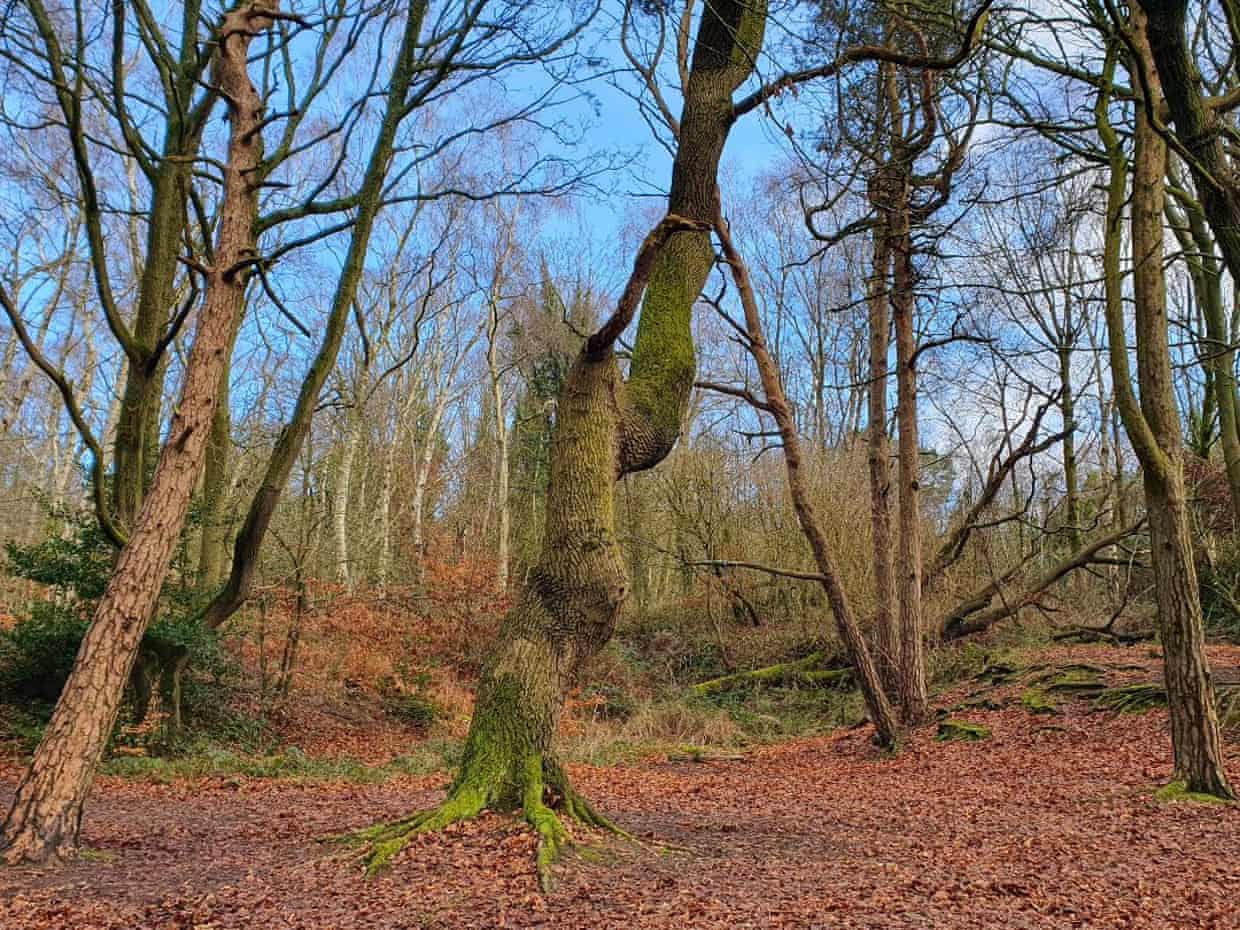
A recent visit to Storeton Wood in the Wirral region of England unveiled a fascinating glimpse into the Triassic period, showcasing the area’s rich geological history. After enduring weeks of rain, the sun finally broke through, illuminating the secondary woodland, which features oak, beech, and silver birch trees. This site, once a quarry, has a deep connection to the past, revealing significant fossilized footprints that have intrigued scientists for generations.
The woodland is situated above a layer of preserved soil, shielded from recent rain. Fallen branches provide a habitat for various fungi, while patches of the distinctive Storeton sandstone emerge from the ground, reminiscent of ancient vertebrae. As great spotted woodpeckers drummed in the trees, one could almost hear the echoes of the past.
George Stephenson‘s historic quarry track, remnants of which can still be seen, was a hive of activity in 1838. Workers extracting sandstone stumbled upon remarkable fossilized footprints, initially mistaken for signs of humanity from biblical times. Further research confirmed these were the tracks of a crocodile-like creature known as Chirotherium storetonense, dating back approximately 240 million years. This creature thrived in a hot, expansive desert that once dominated Europe, with muddy lake edges preserving its footprints.
Over time, slabs featuring these footprints were sent to various museums. The now-defunct Liverpool Natural History Society even offered a reward of 20 shillings to the quarry workers who made the discovery. Although the quarry itself has long been filled with spoil from the first Mersey Tunnel’s construction, the site’s historical significance remains palpable.
In a modern homage to this ancient past, a replica of Chirotherium was engraved on a wall surrounding the wood, celebrating the discovery and its place in geological history. As I navigated the uneven terrain and fallen trunks, I found myself captivated by the vivid fungi and the possibility of uncovering the replica.
Suddenly, I came upon the bright depiction of Chirotherium, far more detailed than I had anticipated. Its dimensions were scaled down from a real creature that could grow up to 2.5 meters long, with a long tail that balanced its movements. This discovery sparked memories of childhood visits to the Sankey viaduct, which was faced with Storeton sandstone, and highlighted humanity’s enduring fascination with our planet’s ancient past.
What began as a sunny day in Storeton Wood transformed into a journey through time, connecting the present with a world that existed millions of years ago. The experience serves as a reminder of the importance of preserving our natural history and the stories embedded within the landscapes we often take for granted.
With works like “Under the Changing Skies: The Best of the Guardian’s Country Diary, 2018-2024” now available, readers can explore more about the hidden treasures of nature and history that await discovery in locations like Storeton Wood.

Meta Plans Major Layoffs as AI Costs Surge

Alberta’s Referendum Could Pave Way for U.S. Statehood

Minooka District 201 Plans Enhanced Bilingual Support for Students

Canmore Approves Multiple Development Permits for New Projects

Remembering Bradly Castillo Shearsmith: A Life of Friendship and Joy

BIS Urges Watchdogs to Integrate Synthetic Risk Transfers in Stress Tests

Teva Transforms: Shifting Focus from Generics to Branded Success

Apple Launches AirPods Max 2 with Enhanced Audio Features

Ontario Ends Funding for Seven Supervised Injection Sites

Toyoake City Proposes Daily Two-Hour Smartphone Use Limit

Pedestrian Fatally Injured in Esquimalt Collision on August 14

B.C. Review Reveals Urgent Need for Rare-Disease Drug Reforms

Dark Adventure Game “Bye Sweet Carole” Set for October Release

Konami Revives Iconic Metal Gear Solid Delta Ahead of Release

Victoria’s Pop-Up Shop Shines Light on B.C.’s Wolf Cull

Jimmy Lai’s Defense Challenges Charges Under National Security Law

Snapmaker U1 Color 3D Printer Redefines Speed and Sustainability

Apple Expands Self-Service Repair Program to Canada
-
 Science12 months ago
Toyoake City Proposes Daily Two-Hour Smartphone Use Limit
-
 Top Stories1 year ago
Pedestrian Fatally Injured in Esquimalt Collision on August 14
-
 Health1 year ago
B.C. Review Reveals Urgent Need for Rare-Disease Drug Reforms
-
 Technology12 months ago
Dark Adventure Game “Bye Sweet Carole” Set for October Release
-
 Technology1 year ago
Konami Revives Iconic Metal Gear Solid Delta Ahead of Release
-
 Lifestyle1 year ago
Victoria’s Pop-Up Shop Shines Light on B.C.’s Wolf Cull
-
 World12 months ago
Jimmy Lai’s Defense Challenges Charges Under National Security Law
-
 Technology1 year ago
Snapmaker U1 Color 3D Printer Redefines Speed and Sustainability
-
 Technology1 year ago
Apple Expands Self-Service Repair Program to Canada
-

 Technology12 months ago
AION Folding Knife: Redefining EDC Design with Premium Materials
-

 Technology1 year ago
Solve Today’s Wordle Challenge: Hints and Answer for August 19
-

 Business1 year ago
Gordon Murray Automotive Unveils S1 LM and Le Mans GTR at Monterey