
Science
Experts Debate AI’s Role in Bridging Healthcare Divide

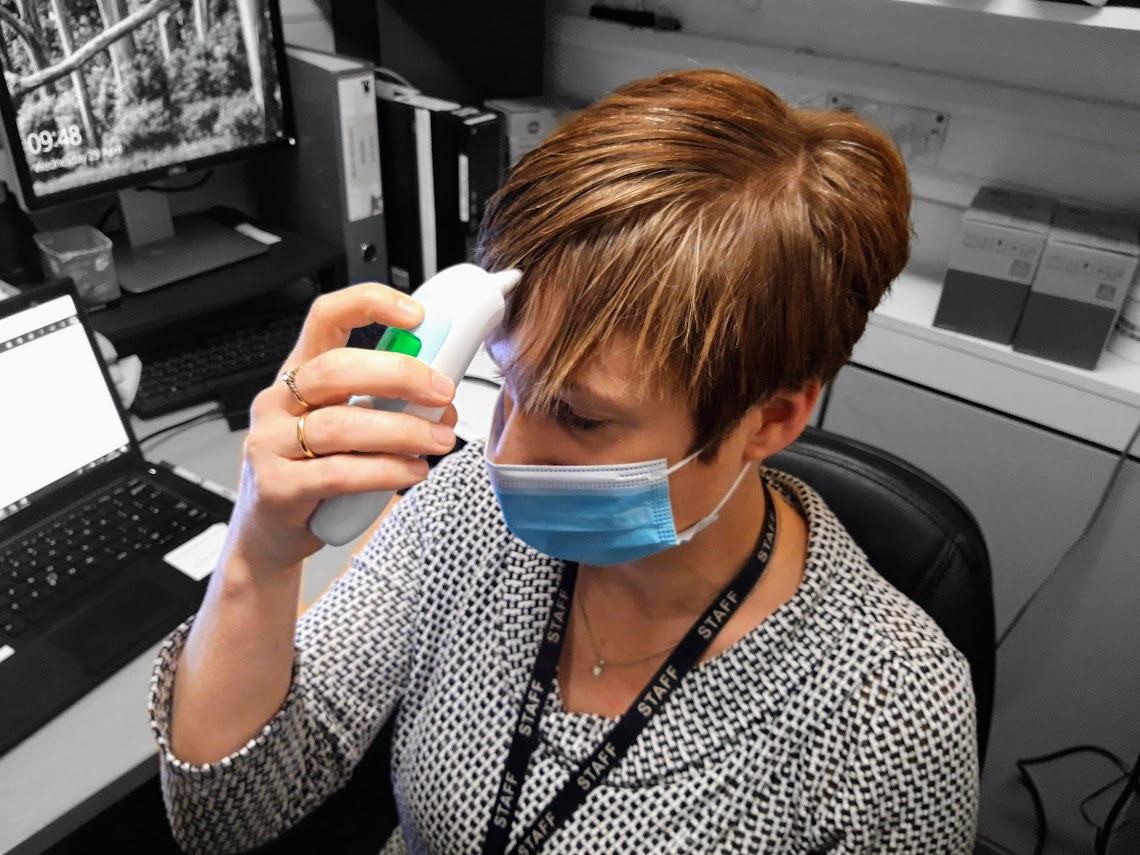
Concerns are mounting regarding the increasing use of artificial intelligence (AI) in healthcare, as highlighted by commentators and policy experts, including the World Health Organization (WHO). The WHO has released detailed guidelines focusing on the ethics and governance of AI in health and co-leads the Global Initiative on AI for Health (GI-AI4H). Despite the potential benefits, the WHO emphasizes that careful consideration of methodological aspects is crucial to ensure progress in advancing science and achieving universal health care.
Identifying Risks of AI in Healthcare
Various risks associated with AI in healthcare have been identified. One significant concern is diagnostic errors, where AI systems may misinterpret medical images or provide incorrect treatment recommendations. Additionally, the issue of bias and inequality arises since AI algorithms learn from historical data, which can be skewed. If the training data lacks representation from diverse populations, the AI’s performance may falter for underrepresented groups.
Data privacy and security also pose challenges, as AI systems often require access to sensitive patient information, making it vulnerable to breaches. Furthermore, a phenomenon known as automation bias can lead healthcare professionals to over-rely on AI recommendations. This can result in a misalignment of goals, where AI systems may not align with the ethical and operational standards of healthcare providers. As AI becomes more integrated into healthcare systems, the risk of systemic issues increases.
Benefits of AI According to Industry Leaders
Despite the concerns, some experts argue that AI can indeed benefit both doctors and patients. Dr. Essam Hamza, CEO of Rocket Doctor AI Inc., asserts that the problem lies not with AI itself but with the type of AI being utilized. He believes that certain AI applications can provide safer, evidence-based alternatives designed to minimize errors and enhance early disease detection.
Dr. Hamza elaborates that AI has the potential to facilitate personalized treatment plans, accelerate drug discovery, improve imaging analysis, and streamline administrative processes. These advancements could lead to better patient outcomes while reducing costs across the healthcare sector. “The WHO is absolutely right to highlight the risks associated with the rapid rise of AI in healthcare,” he stated in an interview with Digital Journal. “Too many systems rely on opaque algorithms, and the possibility of hallucinations without the necessary legal or clinical safeguards for patients and healthcare workers.”
In response to these concerns, Rocket Doctor AI is developing its proprietary solutions, including the Global Library of Medicine (GLM), designed to counter the opaque systems that currently raise global apprehensions. “We use large language models only as a presentation layer — never as the source of clinical judgment,” Dr. Hamza explained. “The clinical pathways, differential diagnoses, and recommendations generated within GLM are grounded in vetted, evidence-based medical knowledge.”
Dr. Hamza strongly believes that AI should support, not replace, healthcare professionals. “Innovation in healthcare must move fast, but it must also move safely. Our commitment is to do both,” he concluded, emphasizing the need for trustworthy clinical tools that reduce the administrative burden while enhancing diagnostic accuracy.
As the debate over the role of AI in healthcare continues, the focus remains on balancing innovation with safety. Stakeholders must navigate the complexities of integrating AI while addressing the associated risks to ensure that advancements in technology lead to improved health outcomes for all.

Meta Plans Major Layoffs as AI Costs Surge

Alberta’s Referendum Could Pave Way for U.S. Statehood

Minooka District 201 Plans Enhanced Bilingual Support for Students

Canmore Approves Multiple Development Permits for New Projects

Remembering Bradly Castillo Shearsmith: A Life of Friendship and Joy

BIS Urges Watchdogs to Integrate Synthetic Risk Transfers in Stress Tests

Teva Transforms: Shifting Focus from Generics to Branded Success

Apple Launches AirPods Max 2 with Enhanced Audio Features

Ontario Ends Funding for Seven Supervised Injection Sites

Toyoake City Proposes Daily Two-Hour Smartphone Use Limit

Pedestrian Fatally Injured in Esquimalt Collision on August 14

B.C. Review Reveals Urgent Need for Rare-Disease Drug Reforms

Dark Adventure Game “Bye Sweet Carole” Set for October Release

Konami Revives Iconic Metal Gear Solid Delta Ahead of Release

Victoria’s Pop-Up Shop Shines Light on B.C.’s Wolf Cull

Jimmy Lai’s Defense Challenges Charges Under National Security Law

Snapmaker U1 Color 3D Printer Redefines Speed and Sustainability

Apple Expands Self-Service Repair Program to Canada
-
 Science11 months ago
Toyoake City Proposes Daily Two-Hour Smartphone Use Limit
-
 Top Stories11 months ago
Pedestrian Fatally Injured in Esquimalt Collision on August 14
-
 Health11 months ago
B.C. Review Reveals Urgent Need for Rare-Disease Drug Reforms
-
 Technology11 months ago
Dark Adventure Game “Bye Sweet Carole” Set for October Release
-
 Technology11 months ago
Konami Revives Iconic Metal Gear Solid Delta Ahead of Release
-
 Lifestyle11 months ago
Victoria’s Pop-Up Shop Shines Light on B.C.’s Wolf Cull
-
 World11 months ago
Jimmy Lai’s Defense Challenges Charges Under National Security Law
-
 Technology11 months ago
Snapmaker U1 Color 3D Printer Redefines Speed and Sustainability
-
 Technology11 months ago
Apple Expands Self-Service Repair Program to Canada
-

 Technology11 months ago
AION Folding Knife: Redefining EDC Design with Premium Materials
-

 Technology11 months ago
Solve Today’s Wordle Challenge: Hints and Answer for August 19
-

 Business11 months ago
Gordon Murray Automotive Unveils S1 LM and Le Mans GTR at Monterey